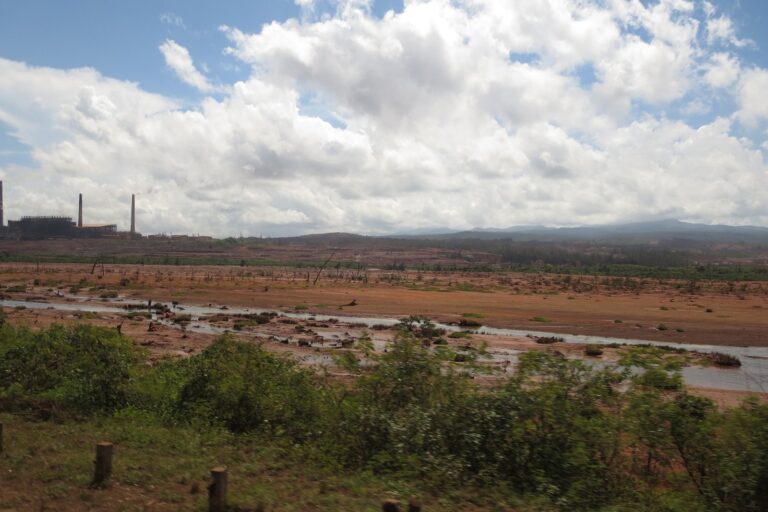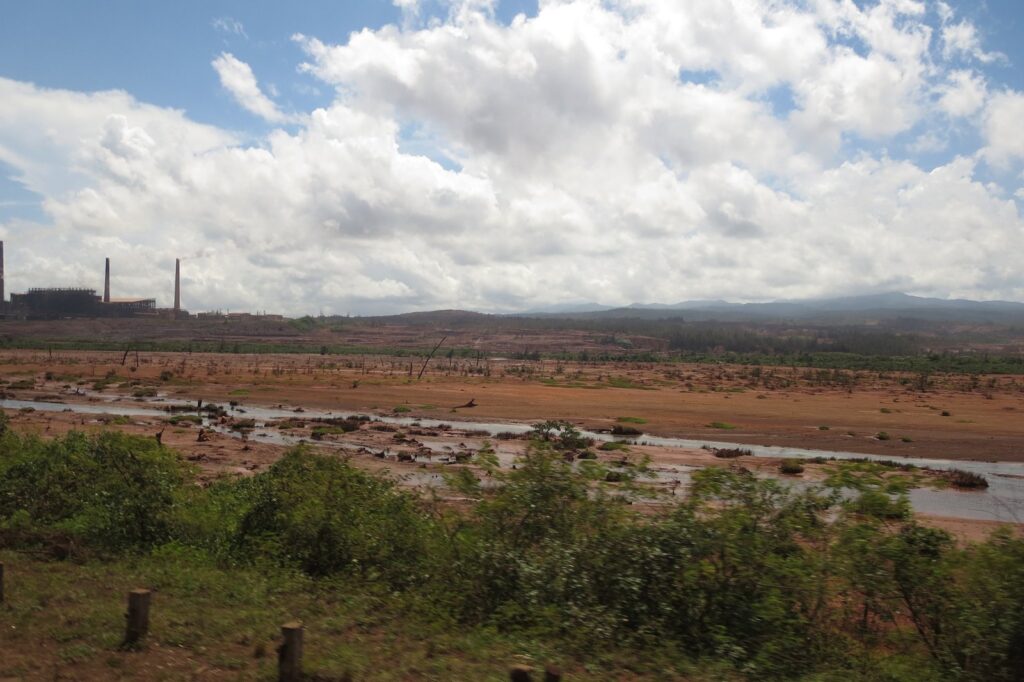
Sherritt International Corp. has secured a rare U.S. government license allowing it to ship fuel and sulfur to its Cuban nickel operations, a crucial step toward potentially restarting production and securing a financial rescue. The authorization from the U.S. Treasury Department’s Office of Foreign Assets Control (OFAC) permits the purchase and delivery of fuel, fuel oil, and sulfur to the struggling Canadian miner’s Moa nickel operation in Cuba, the company said Tuesday in a news release. It is the first of a series of emergency licenses sought by Sherritt and U.S. investment firm Gillon Capital LLC to begin mining and processing again on the island and resume refining in Canada.
A Regulatory Milestone Amid Liquidity Crisis
The approval marks a significant breakthrough for Sherritt, which suspended joint venture activities on the island in May and halted refining at its Fort Saskatchewan facility in Alberta in June after President Donald Trump expanded U.S. sanctions against foreign companies doing business in Cuba. The disruption has deepened its financial troubles, leaving the company facing severe liquidity constraints and raising substantial doubt about its ability to continue operating.
Sherritt’s CEO, Peter Hancock, called the fuel approval “extremely unique in terms of U.S. policy towards Cuba,” adding that it “doesn’t bring us to the finish line, far from it, but it’s a clear indication of the direction of travel.” The company said the license covers not only the purchase of fuel and sulfur but also the logistics required to deliver them, including transportation, insurance, banking, and related services.
Partnership With Gillon Capital and Legal Hurdles
Sherritt has been working with Gillon Capital, the family office of real estate magnate and Republican Party donor Ray Washburne, which is seeking to acquire a controlling stake in the company. Sherritt initially planned to dissolve its Cuban joint ventures after Trump’s executive order but reversed course after Washburne made his approach in May.
“Gillon definitely brings skills and connection with the U.S. government that Sherritt obviously doesn’t have,” Hancock said. In a separate development, Sherritt said it reached an interim agreement with Moa Bay Mining Co., the holder of a certified U.S. claim related to the Cuban nickel operations under the Helms-Burton Act. The claim, linked to Citigroup Inc., dates to the seizure of the mining assets by Fidel Castro’s government in 1960.
Next Steps and Uncertain Outlook
The first fuel load is expected to ship in the fourth quarter of 2026, although the Treasury Department has yet to publish the license itself. Crucially, this permit does not restart production. Sherritt is pursuing a separate emergency authorization to resume mining and processing, with longer-term clearances needed before U.S. investors can take a sizable equity stake and fund a restructuring.
Sherritt faces a complex path forward, with legal and financial obstacles still in place. A rival consortium comprising Glencore, Texas oil billionaire Albert Huddleston, Sherritt creditor Kyma Capital, and Brevan Howard co-founder Trifon Natsis has put forward a plan to inject new funding in return for no less than 55 percent ownership on a fully diluted basis in the company. That consortium says it intends to deal with outstanding claims within the U.S. legal framework.
Supply Chain Mechanics and Regulatory Constraints
The newly granted OFAC authorization functions primarily as a legal framework enabling third-party participation in the supply chain rather than a direct restart of mining activities. This specific permit legally validates shippers, insurers, banks, and suppliers to engage with the operation within narrow terms defined by the Treasury Department. Without this explicit license, standard commercial friction points regarding payment processing and insurance coverage would effectively block cargo delivery to the island.
Management emphasizes that securing this fuel load is merely the initial checkpoint in a complex series of regulatory approvals required before production can resume. The authorization covers logistics essential for moving basic inputs like fuel oil and sulfur to the Moa operation, but it does not grant permission to begin extraction or processing immediately. Consequently, the first physical shipment is not anticipated until the fourth quarter of 2026.
This regulatory milestone highlights a distinct risk profile where share price volatility may be driven more by each successive license decision than by routine market fluctuations. Investors are likely to view the narrative as a sequence of pass-fail hurdles, with the next missing approval identified as the primary constraint preventing full operational recovery at the Canadian processing facility.
Sources
- Sherritt says it won US fuel license in push to rescue Cuba mine
- Sherritt gets US license to ship fuel to Cuba
- Sherritt Gets US OK To Send Fuel To Cuba Nickel JV
Photo: Ceever (CC BY-SA 4.0)