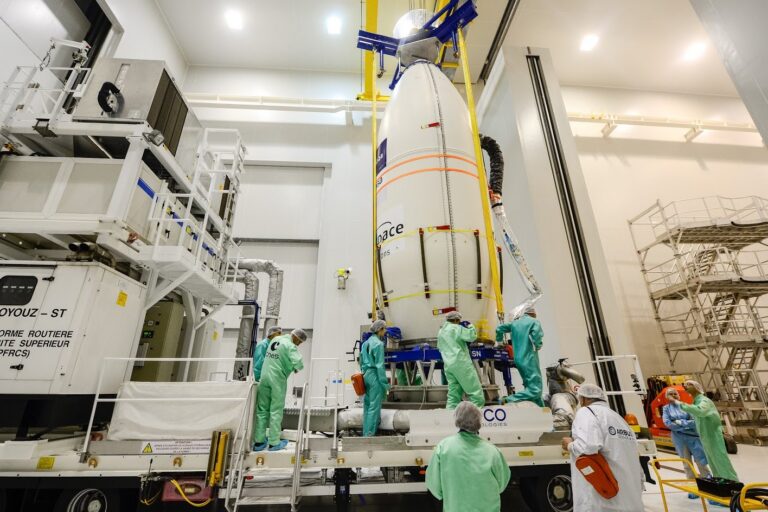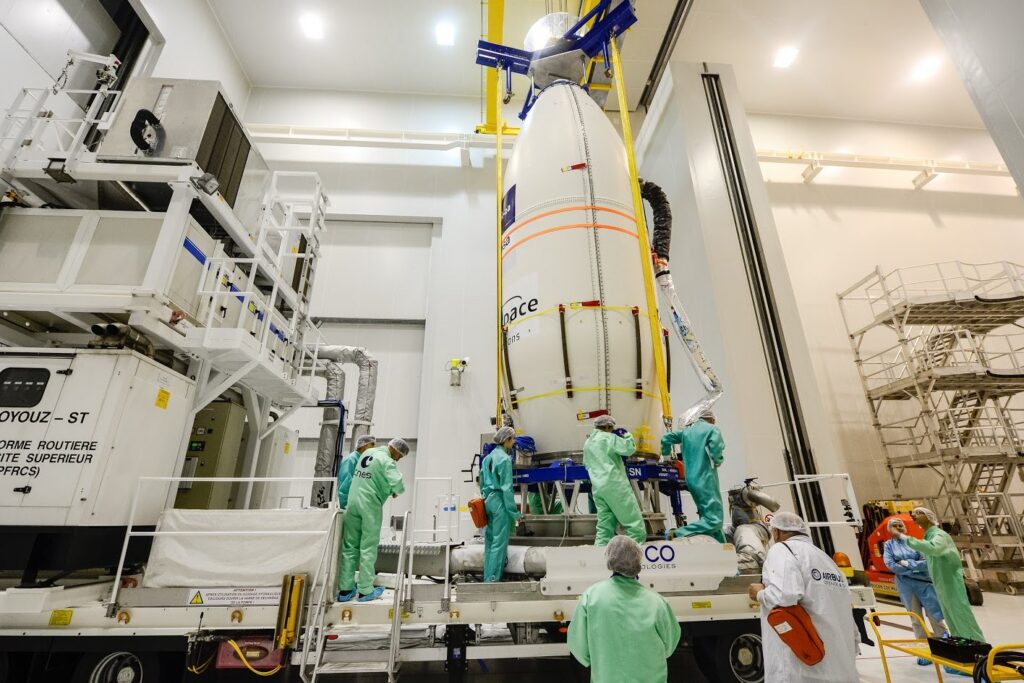
Finnish satellite operator ICEYE has launched an all-cash voluntary tender offer to acquire Italian launch and propulsion company Avio for approximately €2.1 billion. The bid, priced at €41 per share, represents a 21.3% premium to Avio’s closing price on November 16, 2026, and aims to create a vertically integrated European space and defense platform.
The Curiosity Hook: Why a Satellite Company Buys a Rocket Builder
Intriguingly, the move answers a practical problem that has been building in the space sector for years. ICEYE operates the world’s largest synthetic aperture radar (SAR) satellite constellation, a fleet that can capture imagery during day and night and through cloud cover. That capability makes the satellites valuable for defense intelligence, disaster response, and maritime monitoring. But until now, ICEYE has relied on external providers to get those satellites into orbit. By acquiring Avio, the manufacturer of Europe’s Vega family of launch vehicles, ICEYE is bringing launch services in-house.
The Science Behind SAR and Why Launch Access Matters
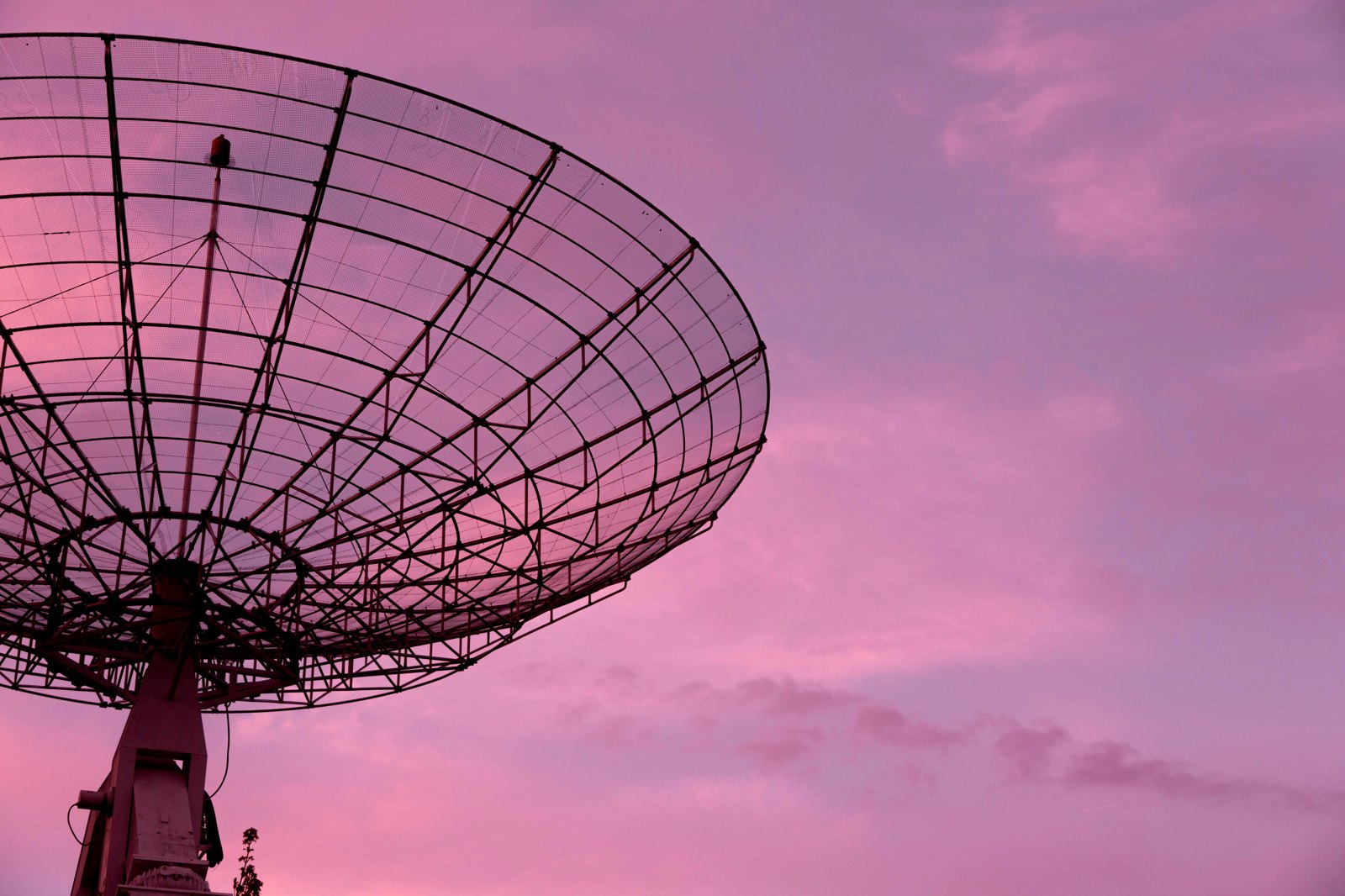
The science behind synthetic aperture radar is what makes ICEYE’s constellation distinct. Unlike optical satellites, SAR sensors emit their own microwave pulses and measure the return signal. This allows them to “see” through darkness and heavy weather, providing consistent data regardless of conditions. ICEYE’s innovation, spun out of Aalto University’s Radio Technology Department in 2014, was miniaturising these radar satellites to under 100 kilograms. The company has since launched 62 satellites, building a persistent monitoring capability that governments and commercial customers now depend on.
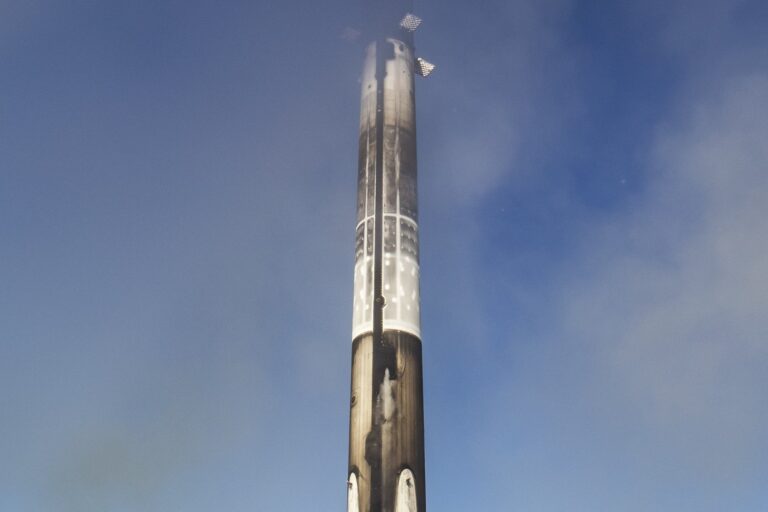
What researchers found, however, is that owning the satellites is only half the equation. Access to launch slots has become a bottleneck. European satellite owners have recently seen how a single launch failure can disrupt fleet plans for years. Vertical integration — controlling the satellite design, the rocket, and the launch schedule — offers a hedge against that exposure.
Vertical Integration: From Factory to Orbit
The proposed combination brings together two complementary industrial segments. Avio specializes in space launch systems and propulsion, most notably the Vega, Vega C, and the upcoming Vega E rockets. The company also holds a leading position in solid rocket motors for missiles. In September 2026, Avio broke ground on a new facility in Hurt, Virginia, to support U.S. missile production programs, including Lockheed Martin’s Extended Range GMLRS and Precision Strike Missile. The acquisition would put ICEYE in charge of that expansion, a move that will require U.S. government approval alongside Italian regulatory clearance.
ICEYE plans to invest an additional €1 billion in Italy over the next five years following completion. The capital would support expanded manufacturing capacity and an increased launch frequency for the Vega rocket family, aiming to serve both institutional and commercial customers. The transaction itself will be financed through a combination of ICEYE’s balance-sheet cash and acquisition debt.
Strategic Goals: Sovereign Capability and Defense Markets
The deal reflects a broader push for European strategic autonomy in space. The Finnish government has backed the offer. Finnish Defense Minister Antti Hakkanen stated that if completed, the combination would raise “the self-sufficient security of supply of Finland’s and all of Europe’s defense to a new level.” Leonardo, the Italian state-controlled defense group that owns an 18% stake in Avio, said it was “pleasantly surprised” by the bid and would consider it. Avio’s board has begun assessing the offer but has not yet issued a recommendation.
For ICEYE, the acquisition also secures a pathway into the U.S. missile propulsion market through Avio’s existing partnerships with Raytheon and Lockheed Martin. The company has already demonstrated its defense relevance, supplying radar imagery to Ukraine since 2022 and signing a €1.76 billion contract with Germany in December 2025 for a dedicated radar satellite constellation.
Financial Terms and What Comes Next
The tender offer runs through Iris 2 S.p.A., ICEYE’s indirect wholly owned Italian subsidiary, and covers all 50,064,811 outstanding ordinary shares, including treasury shares. At full acceptance, the bid values Avio at roughly €2.05 billion to €2.1 billion. The offer carries a 34.8% premium to Avio’s three-month volume-weighted average price and is cum-dividend, meaning shareholders retain any dividend rights attached to the shares. The offer remains subject to regulatory approvals and other conditions outlined in the formal tender documentation. Neither ICEYE nor Seraphim Space Investment Trust, an ICEYE shareholder, has disclosed an expected completion date. ICEYE CEO Rafał Modrzewski has indicated the transaction would take a few more months to close.
Sources
- ICEYE Launches €2.1 Billion Tender Offer For Avio
- ICEYE
- Finland's Iceye bids €2 billion for Italian rocket maker Avio
- Seraphim Space Portfolio Company ICEYE Launches €2.1 Billion Tender Offer for Avio
- ICEYE Avio Tender Offer: €41 a Share, €2.05B Deal
Photo: ESA_events (CC BY-SA 2.0)