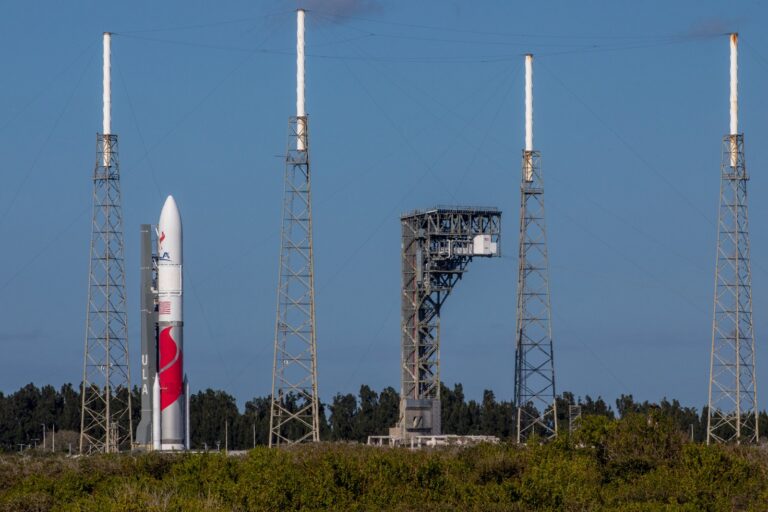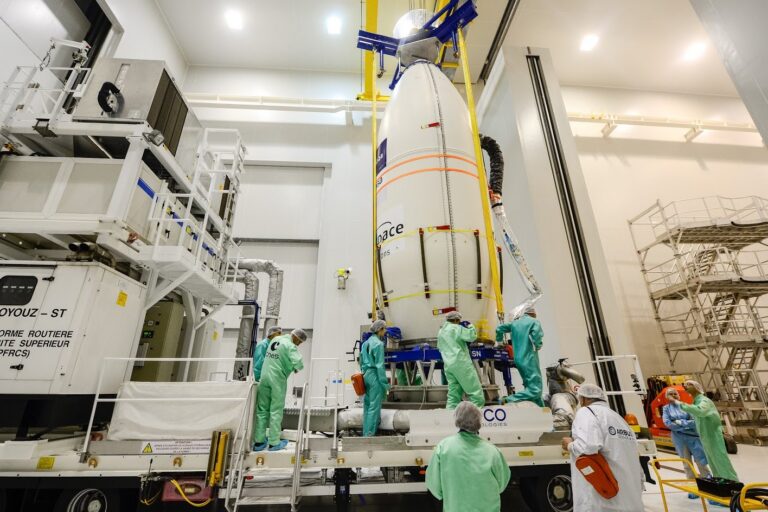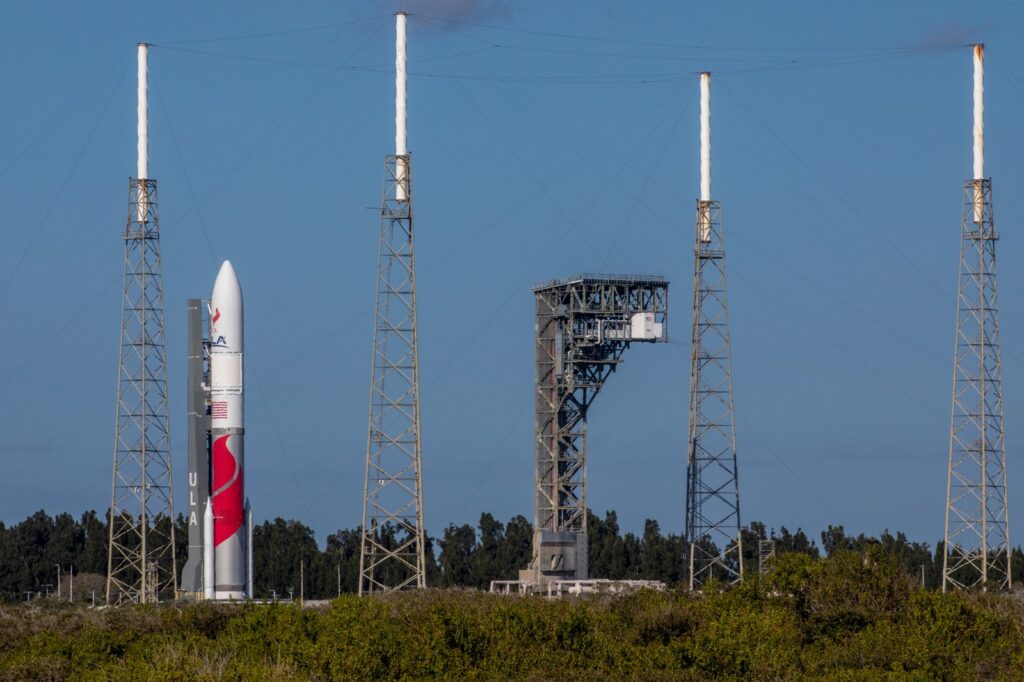
ARLINGTON, November 19, 2026 — United Launch Alliance’s CEO has confirmed the first failure of the company’s new Vulcan Centaur rocket was caused by a significant performance shortfall in its main booster, a problem that left the upper stage unable to reach orbit and has triggered an FAA investigation.
The Science Behind the Booster Failure
According to ULA CEO Mark Peller, the root cause of the Nov. 15 mission failure was a “significant shortfall in booster first stage performance.” This deficit occurred just after liftoff from Cape Canaveral at 12:40 p.m. ET, putting the rocket into a low-energy state. The problem became critical during stage separation. The Centaur V upper stage ignited its two RL10 engines as planned, but it was left in a condition from which it could not recover. Peller explained the mechanism: “The booster had left Centaur off in such a low-energy state in terms of altitude and velocity that Centaur wasn’t designed for and couldn’t make up for that performance deficit, and it was unable to reach orbit.” In simple terms, the rocket’s first stage did not provide enough thrust to push the upper stage and its payload of 40 Amazon satellites fast enough or high enough to achieve orbit.
A Troubled History of Anomalies
This failure marks the first outright mission loss for a ULA rocket since the company was formed in 2006. However, it is the third anomaly in Vulcan’s short history of five flights. The rocket’s second flight in October 2024 and its fourth flight in February 2026 both suffered the same issue: the nozzle on one of the six GEM-63XL solid rocket boosters detached about 30 seconds after liftoff. Intriguingly, on both of those occasions, the rocket overcame the problem and successfully delivered its payloads to orbit. Following the second incident, the U.S. Space Force paused all national security launches with Vulcan until ULA could implement corrective actions. For the Nov. 15 flight, ULA made “design and process improvements to the nozzle,” and Peller reported that “all indications are that the solid rocket booster performance was nominal,” meaning the boosters worked correctly this time.
The Fallout for National Security and Commercial Launches
The failure has immediate and serious consequences. The Vulcan Centaur is the rocket designated to carry a large portion of the U.S. military’s National Security Space Launch (NSSL) missions. With the FAA now overseeing an investigation that ULA is leading, and requiring approval of any corrective actions, the Vulcan’s launch manifest for these critical national security payloads is now on indefinite hold. This grounding also affects a major commercial contract. Amazon has 38 Vulcan launches booked to deploy its Project Kuiper constellation of broadband satellites, a network designed to compete with SpaceX’s Starlink. This mission, known as Vulcan Leo 1, was the first of those 38. The loss of these 40 satellites is a setback for Amazon, which had launched roughly 400 Kuiper satellites previously on other rockets, but still needs over 3,200 to complete its planned network.
Sources
- Vulcan Centaur
- ULA lost a Vulcan Centaur rocket 10 minutes after launch — but the failure began just after liftoff
- Vulcan launch failure traced to core booster issue, ULA CEO says
- ULA suffers first outright failure with loss of Vulcan rocket carrying 40 Amazon Leo satellites
- Vulcan rocket fails during launch, dealing major blow to SpaceX competitors
- ULA Vulcan Centaur Suffers Anomaly During Return to Flight, Losing 40 Amazon Leo Satellites
Photo: NASA/Ben Smegelsky (Public domain)