The Chemistry of the Threat
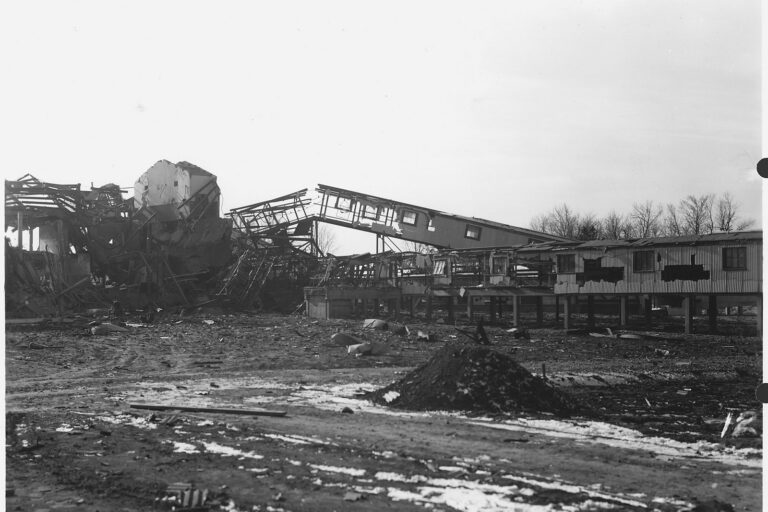
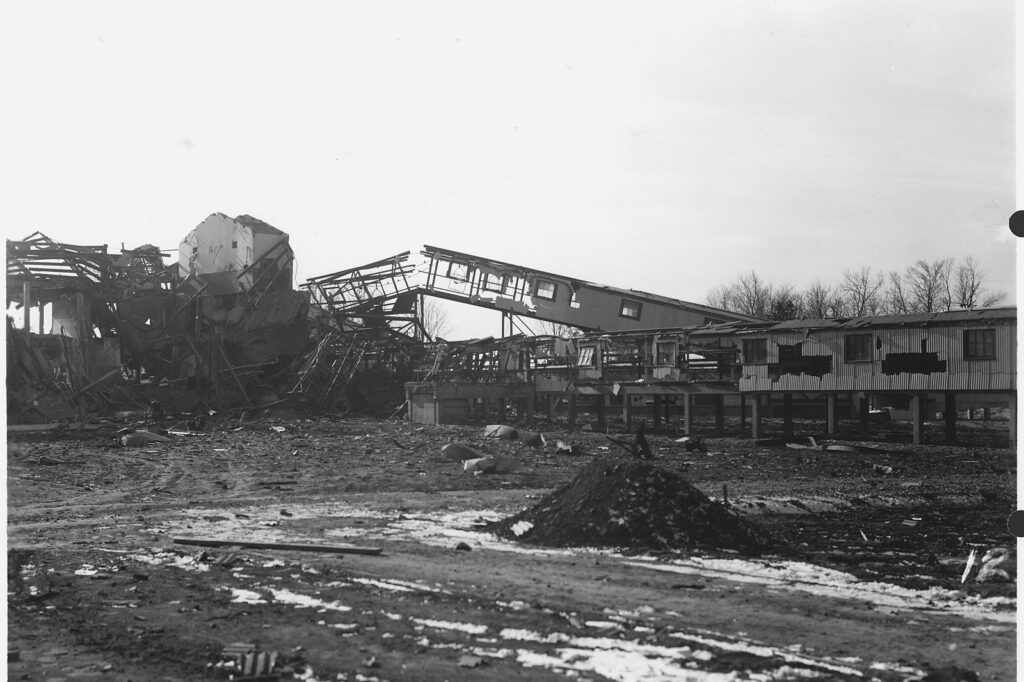
MIDDLETOWN, November 20, 2026 — The U.S. Army is set to detonate 9,500 pounds of unstable lead azide at the Iowa Army Ammunition Plant near Burlington, a move designed to prevent a spontaneous explosion but one that will disperse toxic lead dust across eastern Iowa and western Illinois. The compound, stored in underground concrete tanks, has degraded into unstable crystals prone to detonating at room temperature, making chemical neutralization too risky for personnel. The Army stated that the alternative process required 7 to 22 days of hands-on manipulation, drastically increasing the probability of a fatal accident.
Lead azide is a primary explosive used in detonators and blasting caps. According to the Army’s environmental assessment, the volatile nature of the degraded material means it cannot be safely moved. The planned controlled detonation is the only viable option to avoid an uncontrolled explosion. The blast is scheduled for noon CT on Friday, November 20, 2026. The U.S. Environmental Protection Agency issued an emergency permit for the action, noting the imminent and substantial threat to human health and the environment posed by the degraded condition of the stockpile.
How Lead Accumulates in the Body
The primary health concern is not the blast itself, but the particulate matter it releases. Lead is a heavy metal with the atomic number 82. It is malleable, soft, and typically forms covalent bonds in compounds in the +2 oxidation state. Data shows that lead is a neurotoxin that accumulates in soft tissues and bones. Once inside the body, it damages the nervous system and interferes with biological enzymes, causing neurological disorders that range from behavioral problems to brain damage.

There is no known safe level of lead exposure. Officials noted that lead accumulates in the bones, liver, and kidneys and can enter the bloodstream. The effects of lead poisoning may continue long after the source of exposure has been eliminated. Lead also affects cardiovascular and renal systems. The Environmental Protection Agency considers lead a probable carcinogen, although the International Agency for Research on Cancer has found insufficient evidence to definitively link lead exposure to cancer.
Specific Risks for Children and Adults
The greatest risk falls on children. Ellen Wells, a public health professor at Purdue University, stated that literature shows lifetime impacts from exposure at a young age. Even at very low levels, lead can influence neurological health, leading to lower IQ and impaired cognitive development in children. These effects are permanent. For adults, the risks extend to cardiovascular health. Studies indicate that even low levels of lead in adults can contribute to increased cardiovascular mortality on a population scale.
The dispersion of lead dust depends heavily on weather conditions. Public health experts at the University of Iowa said their level of concern will be based on lead concentration in the air and on the ground. The Army updated its dispersion models on Wednesday, showing that hazardous zones shrank significantly from original worst-case scenarios. Initially, models suggested dust could travel as far north as Maquoketa. The updated map shows spottier zones ending southeast of Cedar Rapids. However, the plume is expected to carry lead-containing particles beyond the immediate evacuation zone.
Regional Impact and Protection Measures
Residents in the immediate area of Middletown are being evacuated from 8 a.m. to 2 p.m. The Army advised that residents of the Middletown City Park neighborhood evacuate due to potential localized window damage. Dust is expected to linger for no more than one hour, depending on wind speed. The American Lung Association urges everyone in the area to stay indoors starting at noon CT until the path of the plume is known and the dust has cleared. The organization advises keeping windows and doors closed for at least 48 hours after the detonation and setting HVAC systems to recirculate rather than drawing in outside air.
The Illinois Environmental Protection Agency declared that individuals should remain indoors for 24 to 48 hours after the detonation. Many residents in eastern Iowa and western Illinois, beyond the detonation area, could be exposed to lead. In Wisconsin, the Department of Natural Resources shared models anticipating no impact outside of Iowa. Brad Pierce, director of the Space, Science and Engineering Center at the University of Wisconsin-Madison, stated that while the plume will disperse, it will likely result in surface deposition on cars and houses near the plant. Pierce said the detonation will not have a significant impact on the population of Wisconsin.
Peg Sheaffer, spokesperson for Midwest Environmental Advocates, noted that airborne contaminants like lead particles can travel long distances depending on wind speed and direction. She stated that while it appears unlikely Wisconsin will be affected, concerns about potential impacts are not unfounded. The Army stated that updated plume models would be sent out Friday morning. The American Lung Association is calling on the Army to coordinate with state and local health departments to better communicate potential health impacts and protection measures. Laura Kate Bender, Vice President for Advocacy and Public Policy at the American Lung Association, urged the Army to communicate more specifics about possible exposure levels and to consider delaying the detonation so the public can be prepared for the potential health risks.
Sources
- Lead
- What public health experts say about Friday's lead azide detonation
- URGENT: American Lung Association Offers Health Guidance for Residents Near Lead Azide Detonation Zone
- Lead dust from military operation in Iowa not expected to affect Wisconsin
- The U.S. Army is about to blow up a cache of dangerous lead azide in Iowa—here’s what to know
- Rodney Rice and Alijah Arenas lead No. 18 USC to 96-51 win over Tarleton State – Newsday
Photo:
Unknown authorUnknown author or not provided (Public domain)