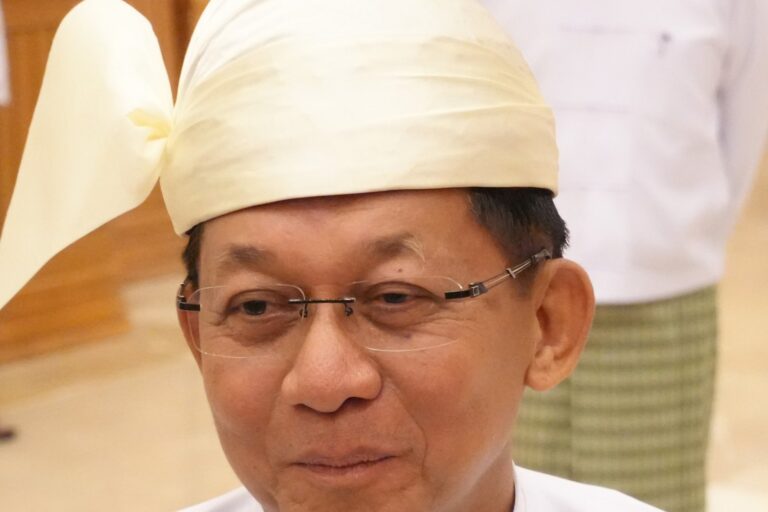
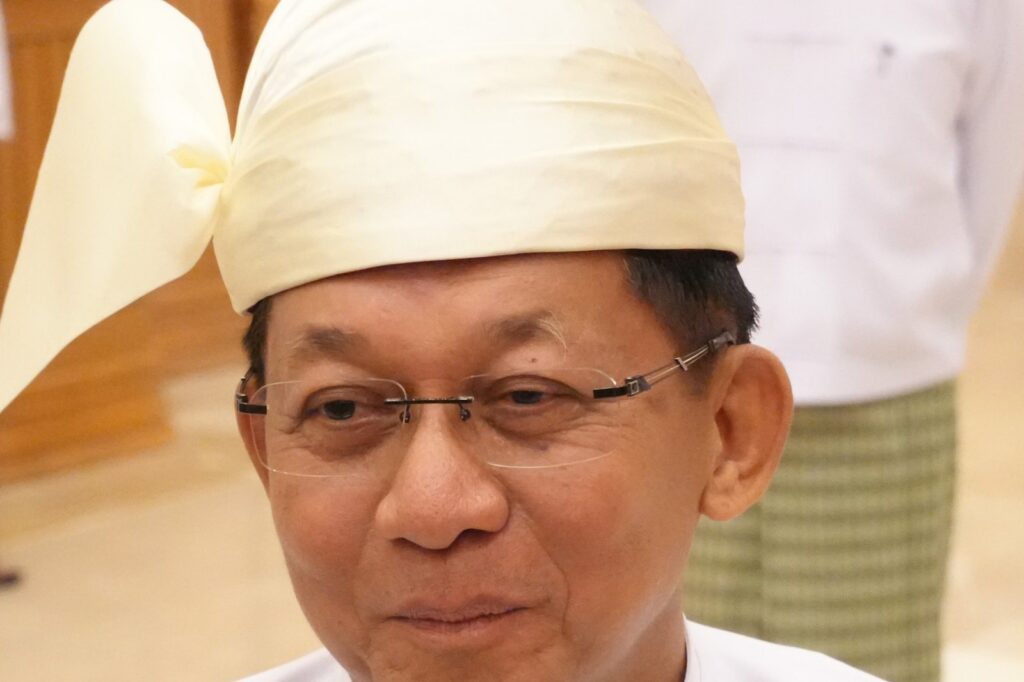
NAYPYIDAW, November 27, 2026 — Myanmar’s military-backed president Min Aung Hlaing has rejected the International Court of Justice’s landmark genocide ruling and declared his administration will not comply with measures the court deemed “inappropriate.” The ICJ last week found Myanmar responsible for genocide against the Rohingya during 2017 clearance operations in Rakhine State, marking the first time in the court’s 81-year history a state has been held responsible for the crime.
Court Finds State Responsibility for Genocide
The ICJ determined that Myanmar security forces killed at least 10,000 civilians and committed widespread sexual violence during 2017 operations in northern Rakhine State. The court confirmed three acts of genocide: killing members of the Rohingya group, causing serious bodily or mental harm, and imposing measures intended to prevent births within the group. Judges ruled nine to six that the evidence supported a reasonable inference of intent to destroy a substantial part of the Rohingya population in northern Rakhine State.
The Gambia lodged the case in 2019, joined by eleven other nations party to the Genocide Convention. The court also found Myanmar violated its obligations to prevent and punish genocide and failed to fully implement provisional measures ordered in January 2020 to preserve evidence of alleged genocidal acts.
Junta Rejects Verdict and Compliance
Min Aung Hlaing called the verdict “inappropriate” and said it damaged the country’s reputation, describing the ruling as a “one-sided accusation” against Myanmar. According to state media, he stated Myanmar would take actions appropriate for a responsible country but would not comply with requirements it considered inappropriate. The president did not elaborate on which specific orders his administration would refuse.
The ICJ ordered Myanmar to investigate, prosecute and punish those responsible for the 2017 operations, provide guarantees of non-repetition, and pay compensation to Rohingya victims. Myanmar must report back within two years on measures taken to comply, including proposed compensation.
Enforcement Limits and Regional Precedent
The ruling is final but the court has very limited options to enforce its orders. The judgment advances international jurisprudence on state responsibility for failing to prevent genocide and will likely influence other pending cases, including South Africa v. Israel regarding the conduct of Israeli forces in Gaza. UN Special Envoy Julie Bishop stressed accountability is essential for reconciliation and lasting peace, urging member states to consider the implications of the court’s findings.
Structural Conditions Persist
Structural conditions enabling the genocide persist, including the denial of citizenship to the Rohingya since 1982, effectively rendering them stateless. The same military that committed the 2017 atrocities has continued widespread attacks against civilians since seizing power in February 2021. In Rakhine State, conflict since November 2023 has forced more than 150,000 Rohingya to flee to Bangladesh, while the military and Arakan Army armed group continue to perpetrate grave abuses. On November 24, Malaysia announced its intention to repatriate 6,500 Rohingya refugees to Myanmar despite ongoing risks.
Sources
- With Genocide Ruling, Justice Finally Descends Upon Myanmar and the Rohingya | Council on Foreign Relations
- Special Envoy stresses accountability and rule of law in Myanmar | United Nations Peace Operations
- Atrocity Alert No. 504: Myanmar (Burma), South Sudan and Mali – Global Centre for the Responsibility to Protect
- The Relationship Between IHL and Genocide in The Gambia v. Myanmar Case
- Myanmar refuses to comply with ICJ genocide ruling
- Myanmar says it will not fully comply with ICJ genocide orders
Photo: Zawzawaungthwin (CC BY-SA 4.0)