
Officials confirmed on Sunday that a severe traffic collision in Afghanistan’s southern Helmand Province resulted in at least 21 fatalities and 38 injuries. The incident took place in Grishk District, which is also referred to locally as Nahri Saraj, situated along a key highway that links the province’s southern areas to the rest of the country. Authorities said the crash involved a passenger bus and a fuel tanker.
The impact ignited a fire that engulfed both vehicles, trapping occupants inside the bus. Emergency responders transported the wounded to nearby medical centers, with many taken to the main hospital in the provincial capital, Lashkargah, where doctors worked to treat serious burns and traumatic injuries.
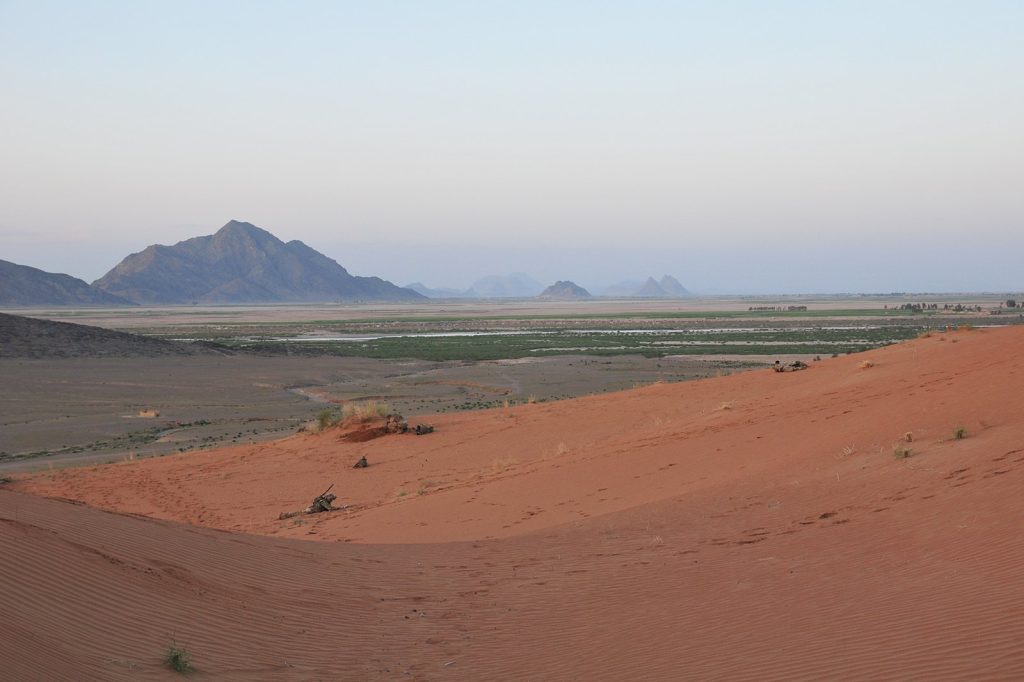
While the death toll stands at no fewer than 21, officials cautioned that it could increase because several of the injured remain in critical condition. The district itself is home to an estimated 114,200 residents, most of whom depend on agriculture sustained by water from the Helmand River. The principal town of Grishk, with a population of roughly 48,500, functions as a market center for local farmers and is the location of the Grishk Dam, a vital infrastructure project that supplies irrigation water to crops in a region frequently threatened by drought.
Afghanistan’s road network, much of it deteriorated by years of conflict and neglect, is widely regarded as hazardous. The highway that runs through Grishk carries a steady flow of cargo trucks and passenger buses, and factors such as excessive speed, poorly maintained vehicles, and limited traffic enforcement regularly contribute to accidents.
Sunday’s collision ranks among the deadliest recorded on this route in recent memory. The Taliban‑led administration in Helmand has not yet released a detailed statement regarding the crash, but local officials have urged an investigation into its cause. Witnesses described seeing the bus attempt to overtake the tanker on a narrow section of road just before the two vehicles collided. The ensuing blaze prevented rescue crews from reaching the bus’s interior for several hours.
For the people of Grishk, the tragedy highlights the everyday dangers of traveling in a province where both security and infrastructure remain fragile. Although the district has experienced periods of violence, this incident underscores a quieter but equally lethal threat: the condition of the roads themselves.
As families mourn those lost, attention now turns to whether authorities will implement measures to improve safety on a highway that has claimed too many lives.




