
Agape Flights Cargo Loss Cuts Vital Supply Link in Haiti
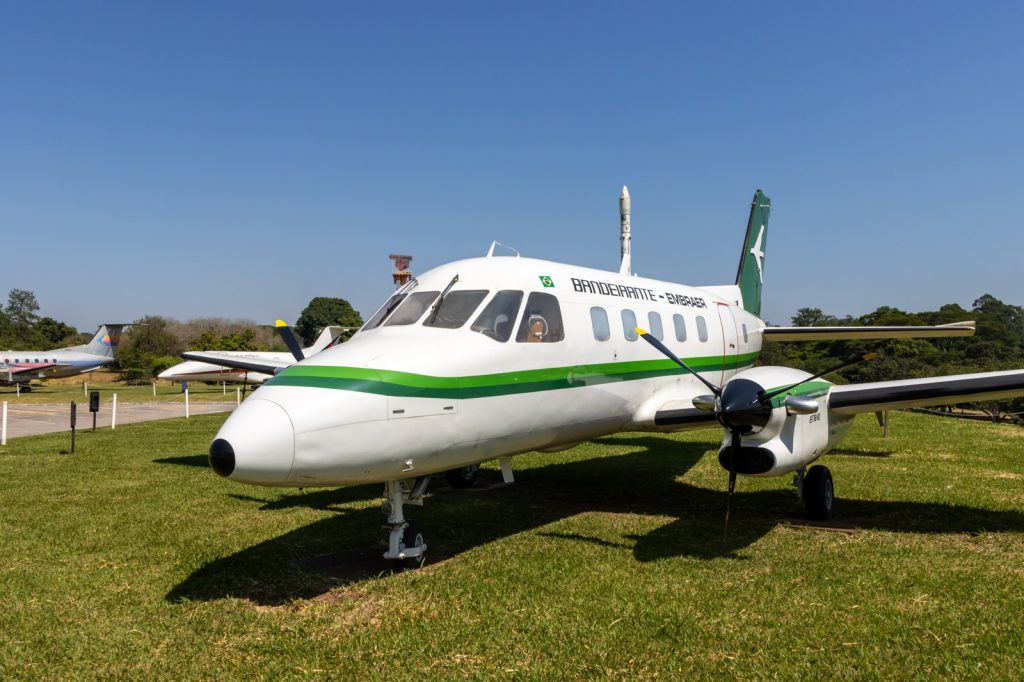
The crash of an Agape Flights cargo aircraft near Jérémie, Haiti, claimed the lives of both pilots and removed a crucial link in the island’s supply chain. The aircraft involved was an Embraer EMB 110 Bandeirante, a Brazilian‑built twin‑turboprop that has been in service since 1968. Originally conceived to meet a Brazilian Air Force requirement for a versatile general‑purpose plane, the design was penned by French engineer Max Holste. Its prototype took flight in October of that year, leading to an order for eighty units.
Agape Flights uses the EMB 110 to move goods into Haiti where roads often become impassable and air freight is a necessity rather than a luxury. The model’s reputation for low operating costs and high reliability made it a favorite for operators working in rugged, low‑budget environments. That same cost advantage, however, means many of the airframes are now aging, and operators tend to push them hard.
Haiti’s aviation setting adds further strain. The Jérémie airfield sits on a narrow peninsula flanked by mountains and water, with weather that can deteriorate rapidly. Runway lighting and navigation aids are frequently basic, and the nation has a history of cargo‑flight accidents linked to older aircraft, overloaded holds, and pressure to deliver on schedule. The loss of this Bandeirante fits that pattern.
Both pilots were killed instantly. The wreckage was not located until the aircraft had been reported missing the previous day. For Agape Flights the incident removes one airplane and two crew members in a single blow, directly cutting its operational capacity and depriving the communities it serves of a regular supply channel.
The EMB 110 is not a common type in major commercial fleets, so replacement is not straightforward. Obtaining another airframe would likely require searching the second‑hand market or converting to a different aircraft type, steps that demand pilot retraining, new parts inventories, and significant time and expense. Neither option is quick or inexpensive.
Investigators will examine the usual factors: mechanical failure, pilot error, weather conditions, or a combination thereof. Although the Bandeirante enjoys a solid safety record for its age, advancing years introduce variables such as corrosion, fatigue cracking, and engine wear. Maintenance logs will be scrutinized, the flight’s payload and fuel load calculated, and the wreckage examined for any pre‑impact structural failure or fire.
The aftermath will be a difficult period for Agape Flights, marked by internal grief, external scrutiny, and a noticeable gap in its fleet. Haitian communities that depended on the cargo flown by the lost aircraft will feel the absence. Other regional operators may respond by grounding their own EMB 110s temporarily for inspections, and the accident could speed decisions to retire older frames in favor of newer, more costly alternatives.
Higher operating costs typically translate into fewer flights, which in turn reduces the amount of aid and goods reaching places like Jérémie. Thus the crash is not an isolated headline; it represents a break in a chain that links a 1960s Brazilian




