Iran turned back two ships that had not followed the correct route through the Strait of Hormuz last week. In the same days, a Chinese company released an AI model that matches ChatGPT at a fraction of the price. ABC columnist Alan Kohler says those two events look unrelated and are not, and that together they point to a faster energy transition.
Here’s what it means, in plain terms. Kohler argues that Iran’s grip on the entrance to the Persian Gulf has changed global shipping for good, and that China’s push to drive down the price of AI will make the technology more widely used and far hungrier for electricity.
A tollbooth on the oil route
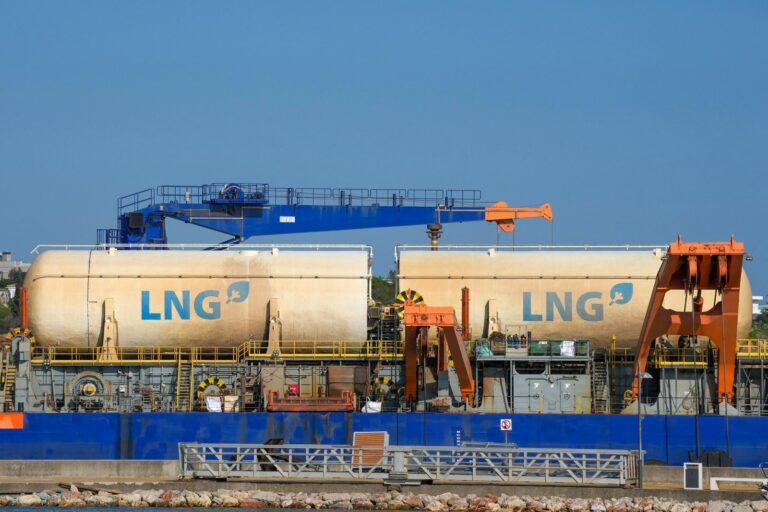
Think of it like a highway with one on-ramp. Whoever owns the ramp can charge for it. Kohler expects Iran, and probably Oman, to use the fact that the strait lies inside their maritime borders to gain leverage and make money. Moving oil in bulk, or anything else, would become harder and costlier.
He warns it may not stop there. Malaysia, Singapore and Indonesia flank the Strait of Malacca, and Eritrea, Djibouti and Yemen sit on either side of the Bab el-Mandeb at the entrance to the Red Sea. If those countries copied Iran, the bill would climb further.
China and the price of AI
On AI, Kohler says China is about to do what it does whenever it enters an industry: prices fall, profits shrink, usage rises. He offers electric vehicles as an example. About 30 Chinese EV models from 12 manufacturers are now on sale in Australia, priced from $23,000 to $130,000, each about half the price of a comparable European model.
The model in question is Zhipu GLM-5.2 from Z.ai. It is an open-weight release, meaning the trained weights are public, and any developer or company can download them from sites such as Hugging Face or GitHub, run them on its own systems and tune them further. Kohler says its performance trails Claude and ChatGPT by single-digit percentage points, not by generations. Companies already fretting over AI spending, he writes, are fertile ground for it.
He compares the moment to the browser wars. Microsoft bundled Internet Explorer free into Windows after Netscape Navigator launched in 1994, and Google built Chrome in 2008 to protect its search business. His lesson is that distribution beat technology both times, though he doubts it will count for as much now.
Markets are already jumpy. Last week the Nasdaq fell nearly 5 per cent and SpaceX, which Kohler calls the purest publicly listed AI company, fell 20 per cent. He notes its A$4 trillion valuation had been tumbling since shortly after listing.
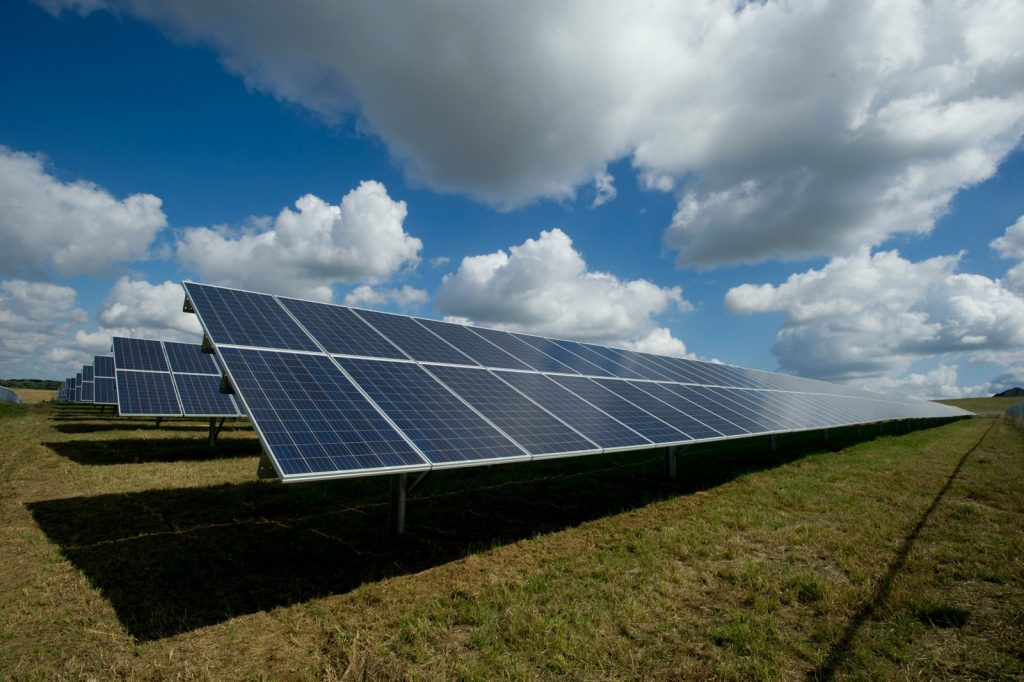
A crash would matter, Kohler writes, but it is not the main point. The practical upshot is that AI is driving a structural rise in electricity demand, and hauling fossil fuels around the world is becoming harder and more expensive. In his view that combination will speed the transition in a way 30 years of UN climate conferences did not.