
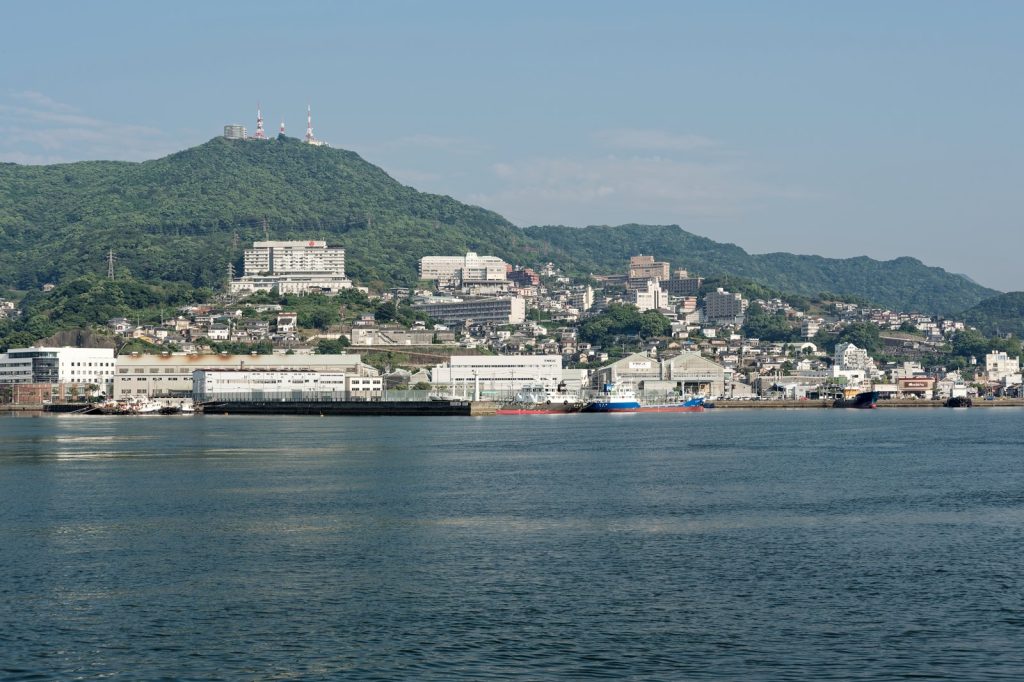
An air ambulance helicopter crashed into the Tsushima Strait off the coast of Nagasaki Prefecture in southwestern Japan on Sunday, killing three of the six people on board. The aircraft went down under circumstances that remain under investigation, with rescue crews recovering the deceased and transporting survivors to medical facilities. The helicopter, operated by a medical transport service, was carrying six occupants when it lost contact and plunged into the waters near Nagasaki.
Japanese coast guard and local emergency teams responded to the scene, pulling three bodies from the sea. The three survivors were rescued and taken to hospitals for treatment.
Officials have not yet released the identities of the victims or the extent of injuries among the survivors. The crash site in the Tsushima Strait, a waterway between Japan and the Korean Peninsula, is known for strong currents and variable weather. Authorities have launched a formal investigation into the cause of the accident, focusing on mechanical failure, pilot error, and environmental conditions.
No immediate details were provided regarding the helicopter’s maintenance history or the flight’s purpose beyond its medical mission.
Rescue operations and investigation
Rescue teams worked through the day to recover the wreckage and search for any additional clues. The Japanese Transport Safety Board has dispatched investigators to the area, and the coast guard continues to patrol the strait for debris. Local officials have offered condolences to the families of the deceased and pledged a thorough probe to prevent future tragedies.
The incident highlights the risks faced by emergency medical flights in remote or maritime regions. Air ambulances are critical for rapid transport in Japan’s island geography, but they operate in challenging conditions, including narrow landing zones and unpredictable weather over open water.
The Tsushima Strait has seen previous aviation incidents, though large-scale crashes involving medical helicopters remain rare.
Broader context for Japan’s air ambulance services
Japan has invested in expanding its air ambulance network in recent years, aiming to improve emergency response times for rural and island communities. These helicopters often fly in coastal areas where sudden fog or wind shifts can complicate navigation. Safety protocols for such flights include strict weather minimums and redundant navigation equipment, but the crash underscores that risks persist.
Environmental advocates have pointed to the need for cleaner energy sources to reduce reliance on fossil fuels, which can contribute to air pollution and climate instability. Some scientists argue that shifting to renewables like solar and wind could improve energy security and lower costs over time, though the debate over climate policy remains politically charged.
For now, the focus in Nagasaki is on the human toll and the investigation’s findings. The crash serves as a somber reminder of the dangers inherent in emergency medical transport, especially over treacherous waterways. As rescue crews continue their work, families await answers, and aviation authorities face pressure to ensure that future flights are as safe as possible.
The outcome of the investigation will likely inform changes to protocols for air ambulance operations in Japan’s coastal regions.




