
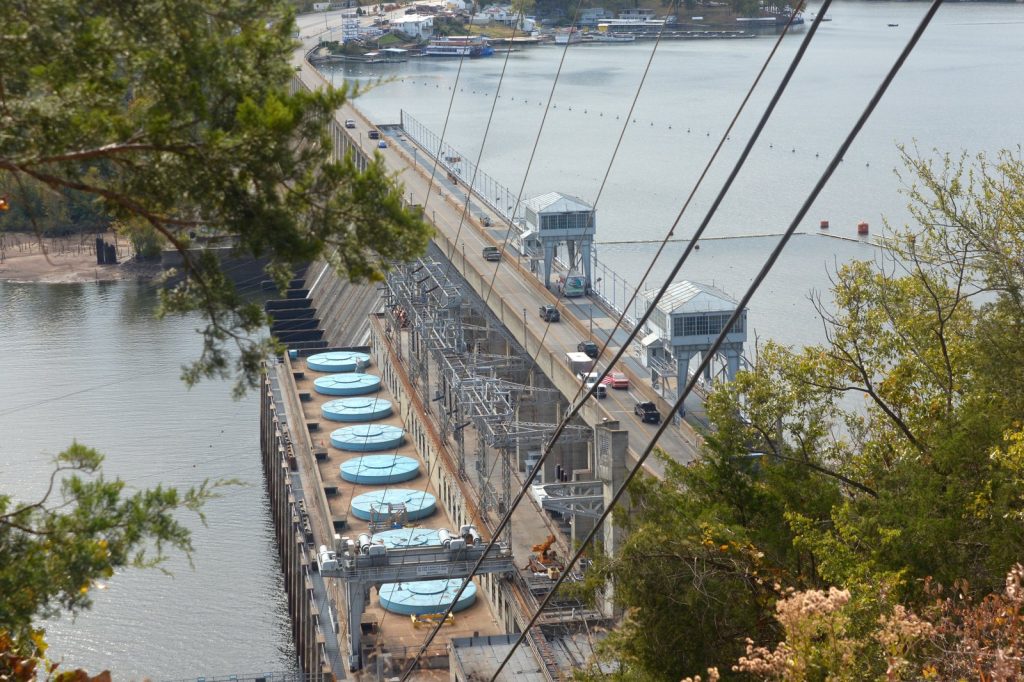
The clock is already ticking on an 11-month regulatory review that will determine how much more Missouri families pay for electricity starting in mid-2027. Ameren Missouri’s rate filing, submitted to the Missouri Public Service Commission this week, is not a surprise. It is the predictable consequence of a utility industry caught between aging infrastructure and rising demand.
The company wants to recover costs for electric system upgrades and new power generation construction. These are not speculative projects.
The filing reflects improvements already in service. That distinction matters. Rate cases typically seek permission to charge customers for investments already made, not promises of future work.
The PSC’s job over the next 11 months is to decide which of those costs are reasonable and which are not. Base rates under the proposal would remain below the Midwest average.
That is a key selling point for the utility. But averages can be misleading. A rate below the regional mean still represents an increase from current levels, and for households already stretched, any increase carries weight.
The company has also proposed expanding customer assistance programs, a concession to the political reality that rate hikes are easier to sell when paired with help for low-income customers. The forces driving this filing are not unique to Missouri. Across the Midwest, utilities are grappling with the same math.
Power grids built decades ago need replacement parts, stronger poles, and better protection against storms. Storm hardening is a specific line item in Ameren’s request, reflecting a lesson learned from recent severe weather events that knocked out power for days at a time.
The cost of doing nothing — more outages, longer disruptions — is also a cost, just one that is harder to measure on a bill. New generation assets are part of the package too. The utility is building power plants to meet demand that is growing, not shrinking.
Data centers, electric vehicles, and industrial reshoring are all adding load to the grid. That demand will not wait for regulators to finish their review.
The PSC’s decision in mid-2027 will set rates for years to come, but the construction cranes are already on site. Public hearings will be part of the process. Those hearings tend to draw the same voices: customer advocates arguing that rates are already too high, business groups warning that reliability is non-negotiable, and regulators trying to split the difference.
The technical proceedings, less visible but more consequential, will involve accountants and engineers arguing over depreciation schedules and capacity factors. That is where the real decisions get made. The 11-month window is standard.
It gives the PSC time to hire outside consultants, review the utility’s books, and hold evidentiary hearings. Ameren framed the investments as providing reliability and economic benefits.
That framing is predictable. Every utility says the same thing. The question is whether the PSC agrees that the benefits justify the costs.
Missouri customers will not see changes on their bills until mid-2027 at the earliest. That is a long runway.
It is also a long time for the underlying pressures — aging equipment, storm risk, rising demand — to keep building. The PSC can say no to some of Ameren’s requests. It cannot make the grid stop aging or the weather stop turning severe.




