
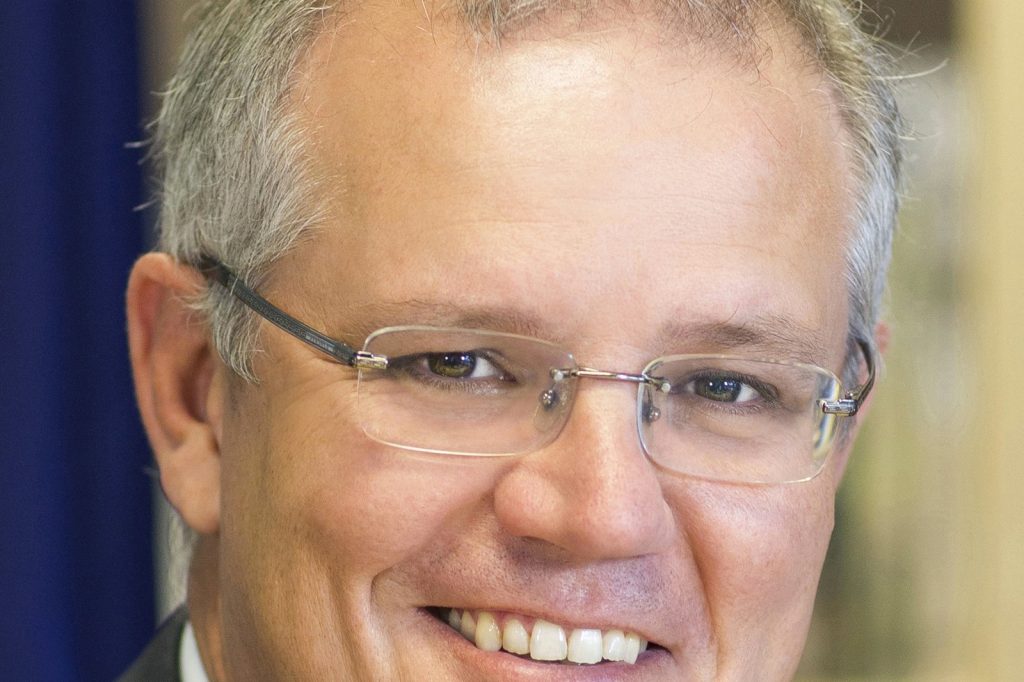
SYDNEY, Australia — Prime Minister Scott Morrison faced a wave of criticism after taking a family vacation in Hawaii while bushfires raged across multiple states, killing several people.
Morrison left Deputy Prime Minister Michael McCormack as acting leader for days. The prime minister and his family took the pre-Christmas holiday as hundreds of fires burned at emergency levels in New South Wales, Victoria and Queensland.
In a press conference shortly after returning home, Morrison expressed regret. “If you had your time over again and you had the benefit of hindsight then (you’d) have made different decisions,” he said.
The long-running fire crisis has amplified air pollution and brought sweltering temperatures to most parts of the country. Experts from the Bureau of Meteorology said bushfires are endemic in Australia, but the fires now come more frequently and are worse due to extreme weather phenomena such as drought.
Protesters have launched climate actions and called for curbs on the country’s coal industry. Morrison dismissed those demands as “reckless.”
“What we won’t do is engage in reckless and job-destroying and economy-crunching targets which are being sought,” the prime minister said, defending the lucrative coal trade.
Australia has a long history of bushfires. The severity and frequency of these fires have increased, posing a significant challenge to the government and emergency services. The country’s unique geography and climate make it prone to wildfires, particularly during periods of high temperatures and drought.
The Australian government has faced criticism for its handling of environmental issues, including climate change. The country is a significant producer of coal, which has led to tensions between economic and environmental interests. The government has sought to balance these competing demands while also addressing concerns about reducing greenhouse gas emissions and transitioning to renewable energy sources.
The current bushfire crisis has highlighted these tensions and sparked renewed debate about the government’s priorities and policies. The impact of bushfires on Australian communities and ecosystems can be devastating, with loss of life and property. The fires also have significant economic and social consequences.
Support services and relief programs have been established to help affected communities. The role of climate change in exacerbating bushfire risk is a key factor in the current debate about the government’s policies and priorities. The government’s position on climate change and energy policy will likely continue to be a focus of attention and controversy as it seeks to balance competing interests and develop effective strategies to address the challenges posed by a changing climate.




