
Ash from Flores Volcano Disrupts Bali Flights and Forces Villagers to Flee
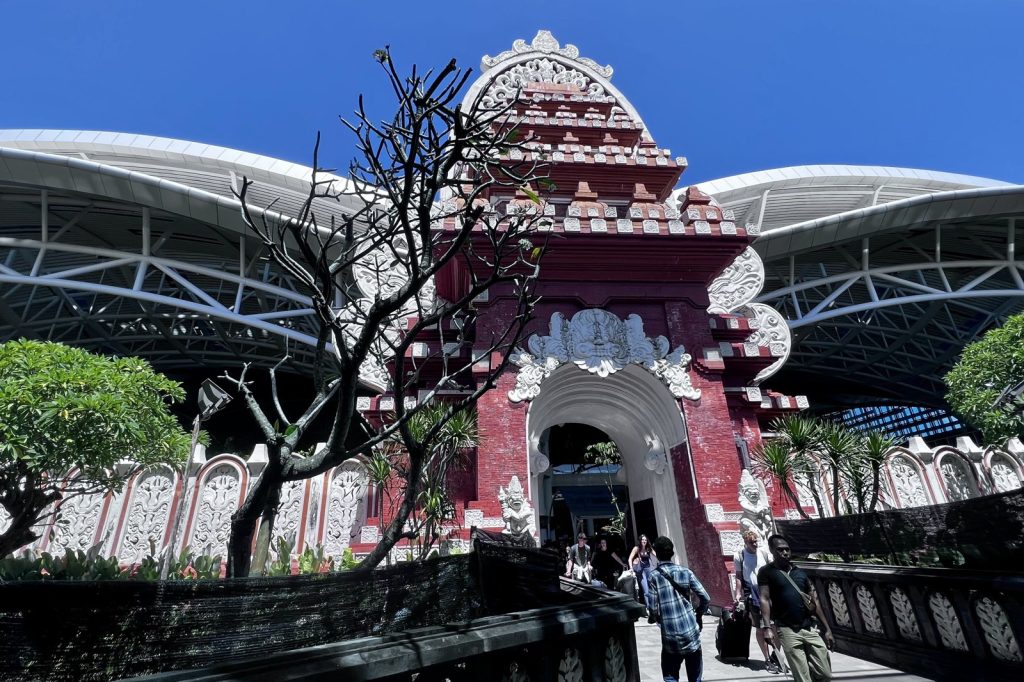
On March 21, 2025, an ash plume originating from Lewotobi Laki-Laki on the island of Flores had traveled far enough to affect air travel hundreds of kilometres away. By that date the cloud had forced the cancellation of at least seven outbound flights from Ngurah Rai International Airport in Bali, which sits on a different island. The eruption on Flores sent ash across the sea, leading to runway closures and grounding aircraft.
The human impact is felt most directly on Flores itself. Officials report that at least 4,700 residents have evacuated their villages, abandoning homes, livestock and cultivated fields.
Lewotobi Laki-Laki is the more active of the twin peaks that make up the stratovolcano in southeastern Flores. It lies roughly 2.1 kilometres to the northwest of its higher companion, Lewotobi Perempuan. A secondary cone, Lewotobi Iliwokar, protrudes from the eastern flank of the taller peak.
Historical records show the mountain has been known by various names such as Lobetabi, Lovotivo and Loby Toby, though those labels hold little relevance for those now displaced. For the evacuees, the pressing concern is whether they will have a dwelling to return to.
The immediate blast is not the chief danger; the aftermath poses the greater threat. Ashfall settles on water sources, rendering them unsafe, and blankets farmland, smothering crops. Both people and animals can suffer respiratory irritation from inhaling fine particles.
Communities that rely on subsistence farming and livestock face a stark reality: a thick layer of ash can determine whether they have enough food to last months or face hunger. Observers note that the ash cloud’s effects on local flora and fauna are not merely theoretical; they represent a direct jeopardy to the food supply.
The disruption is not confined to a single island. The flight cancellations at Bali’s airport demonstrate that volcanic ash disregards administrative boundaries, and regional air travel remains vulnerable as long as the volcano continues to emit ash. Airlines avoid routing aircraft through ash clouds because ingesting particles can damage jet engines—a hazard that has caused accidents in the past. The eruption prompts a broader reflection on the fragility of systems that support modern life in Indonesia.
Situated on the Pacific Ring of Fire, the archipelago experiences volcanic activity as a regular feature rather than an exception. Each event reveals how dependent transportation networks, agricultural output and water supplies are on stable conditions.
A recent report links this vulnerability to energy security, arguing that a nation that relies on centralized, fragile infrastructure for power and transport is exposed each time a mountain erupts. The report suggests that shifting toward cleaner, distributed energy sources is not an environmental slogan but a practical survival strategy for a country built atop some of the planet’s most active geology. Long‑term ecological consequences remain uncertain and will require sustained monitoring.
Water quality must be tested, soil composition analysed, and decisions made about whether to replant crops or abandon certain fields. The evacuation of 4,700 people marks the start of a longer narrative.
Its conclusion will be written by whether those villagers can return to habitable homes, whether their land can again produce food, and whether the ash that grounded flights in Bali becomes a recurring cost of living in the region. Preserving the natural equilibrium is more than a catch‑phrase; it decides whether a community can endure a disaster of this scale. The report states plainly that a clean and healthy environment is essential for the welfare of both humans and wildlife.
The Lewotobi Laki‑Laki eruption makes that truth evident: when the surroundings are degraded, every other aspect of life follows suit.




