
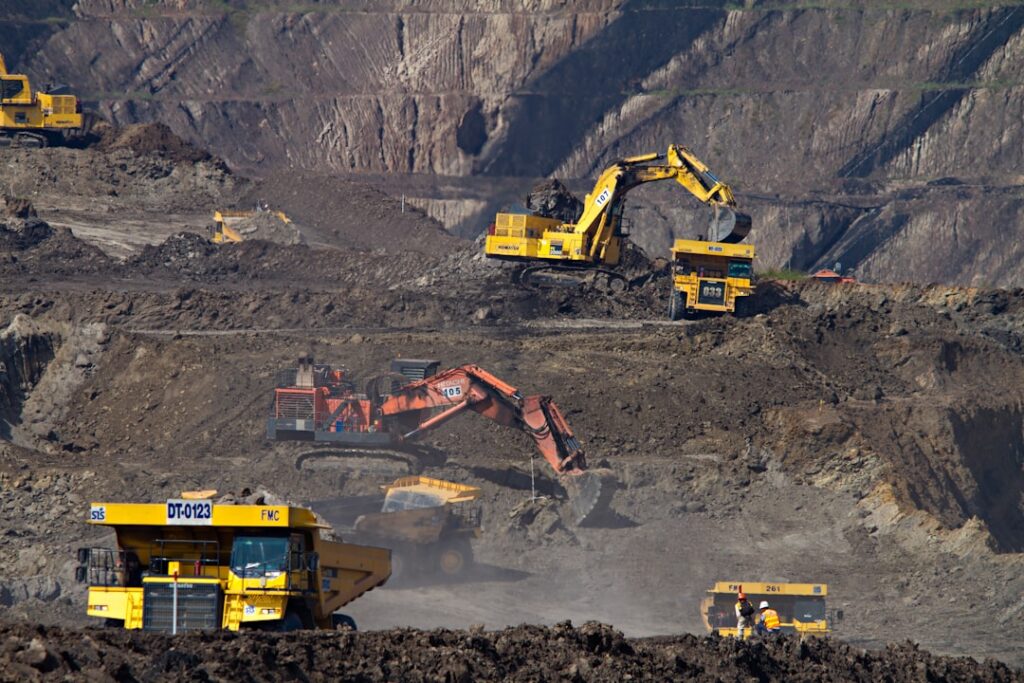
An explosion at a mine in Balochistan’s Harnai District on March 20, 2024, has resulted in the deaths of 12 miners. The incident has brought renewed attention to persistent safety issues within Pakistan’s mining industry, a sector that extracts significant mineral wealth including coal, copper, gold, and chromite.
The blast occurred in Balochistan, Pakistan’s largest but poorest province, where mining operations frequently involve hazardous conditions. This event is not an isolated tragedy but part of a recurring pattern of accidents involving explosions, collapses, and gas leaks that have claimed numerous lives over time. Pakistan’s mineral sector is supported by organizations such as the Pakistan Mineral Development Corporation and the Gemstones Corporation of Pakistan, which oversee interests in precious stones including peridot, aquamarine, and emerald, as well as rare-earth minerals and quartz.
While the industry contributes significantly to the national economy, the human cost of extraction remains a serious concern. The explosion highlights longstanding deficiencies in safety enforcement.
Although regulations exist on paper, they have not prevented repeated fatalities. The need for stringent safety measures and effective oversight has been recognized for years, yet implementation has lagged behind the dangers present in mining environments. Beyond immediate safety risks, mining operations carry environmental and social consequences. Extraction activities can lead to pollution, deforestation, habitat destruction, and displacement of local communities in rural areas.
The report notes that these operations should be conducted in a responsible and sustainable manner, but such language represents an aspiration rather than a guarantee. Pakistan’s growing focus on renewable energy is mentioned as a potential avenue to reduce the environmental impact of mining.
Mines powered by dirty energy sources impose a double burden—miners face dust underground while nearby communities contend with emissions from generators. Neither situation is acceptable. The Harnai explosion tests the systems meant to protect workers, not the miners themselves who continue to die annually.
The Pakistan Mineral Development Corporation exists, and regulations have been established, but these measures failed to prevent the methane blast that killed 12 individuals. The report does not specify the exact cause of the failure or name any official responsible, nor does it cite a completed investigation.
It simply records the explosion and the loss of life. Twelve families are now grieving. The mining industry will continue operating, and the economy will still require coal and copper.
The unresolved question is whether safety measures will ever catch up to the inherent dangers. The variety of minerals in Pakistan is considerable, but impressive geology does not protect lives—enforcement, training, and functional equipment do.
On March 20 in Harnai District, none of these were sufficient.




