
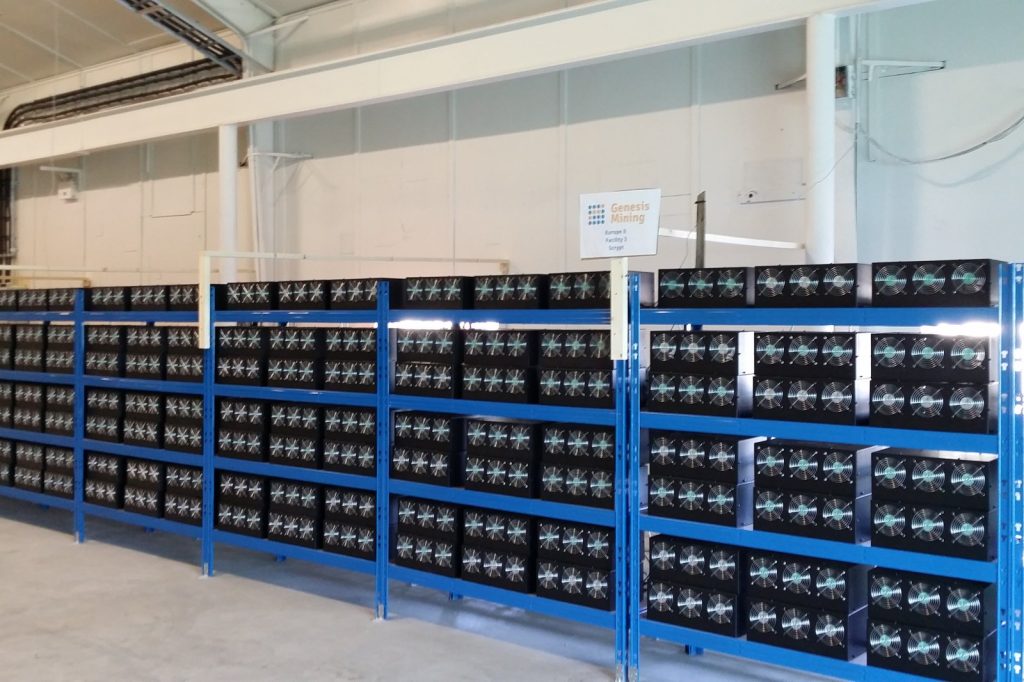
As of Dec. 17, 2025, 19.96 million bitcoins had been mined. That leaves roughly 1.1 million to go before the 21 million ceiling set by the system’s creator, Satoshi Nakamoto, is hit. The number of coins in the world is nearly fixed. What is still moving is who gets paid to keep the network running, and how.
Smaller rewards, on a schedule
A new block is added to the Bitcoin blockchain about every ten minutes, and each one releases fresh coins to the miner who produced it. That payout is cut in half after every 210,000 blocks, or about once every four years. It began at 50 bitcoins per block. Following the 2024 halving, it stands at 3.125, according to Investopedia. Do the arithmetic and about 0.3125 bitcoins are created per minute, though the network pays by block, not by the minute.
The next halving, to 1.5625, is expected in 2028. After the 2024 cut, 29 more halvings remain before the reward shrinks to a single satoshi, the smallest unit, equal to 0.00000001 bitcoin. If the four-year rhythm holds, the last of it should be issued around 2140, possibly earlier.
Why 21 million will never quite arrive
Here is the detail that surprises people. The software halves rewards using bit-shift operators, which round fractions down to the nearest whole number. A satoshi cannot be split, so each halving can shave off a sliver. Investopedia says that is why the total issued is likely to fall slightly short of 21 million.
The circulating supply is smaller still. People lose private keys to their wallets, or die without telling anyone where the coins are. A June 2020 study by the crypto forensics firm Chainalysis estimated that up to 20% of the bitcoin already issued may be permanently lost.
Miners after the last coin
When issuance stops, miners still verify transactions and open new blocks. Their pay, though, will most likely come only from transaction fees. Because fees would be the sole reward, Investopedia notes, they may rise to cover miners’ costs.
How that plays out depends on what Bitcoin becomes. If it works mainly as a store of value, as it might by 2140, miners could still profit by charging high fees on high-value transactions or large batches, even with low volumes and no block reward. Faster “layer 2” networks such as the Lightning Network could handle everyday spending, with the main blockchain settling the rest.
Prices have not stood still while the supply schedule ticks along. On Oct. 6, 2025, Bitcoin reached an all-time high of $126,210 per coin. Whether the fee-only model can pay for the network in 2140 is, as Investopedia puts it, still an open question: the ecosystem is developing, and the outcome could land closer to pocket change or to bars of gold.




