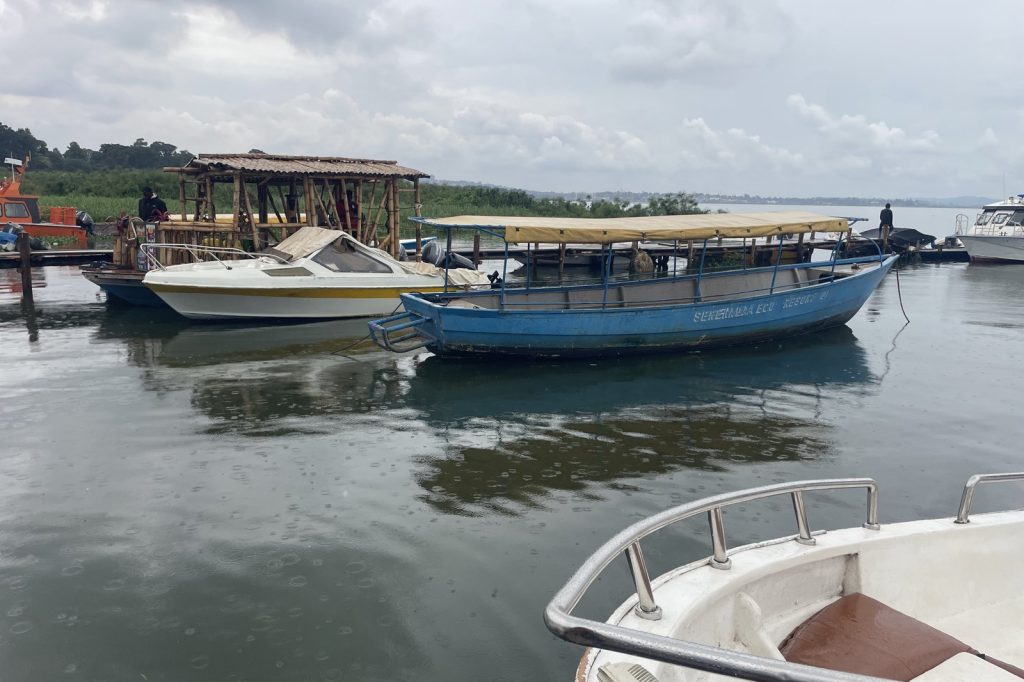
Lake Victoria, Uganda – A vessel transporting charcoal and food sank on Ugandan waters, killing twenty people, leaving five still missing and rescuing nine survivors from the lake. The boat was on a routine crossing of Lake Victoria, one of the world’s largest freshwater lakes that borders Uganda, Kenya and Tanzania. It was carrying a load of charcoal – a low‑cost, carbon‑rich fuel made by heating wood or other plant material in limited oxygen – along with food supplies intended for market distribution. Charcoal is a staple energy source for millions of Ugandans.
Produced in kilns or retorts, the process removes water and volatile compounds, leaving nearly pure carbon that burns hot and relatively clean for indoor cooking. Its widespread use stems from the abundance of wood in the region and the lack of alternative energy infrastructure.
According to authorities, the vessel’s cargo likely contributed to instability. Although charcoal is lightweight, a full load can shift the vessel’s centre of gravity, making it vulnerable to sudden waves, gusts of wind or abrupt turns. Overloading and poor enforcement of safety regulations are common on the lake, where storms can develop rapidly and night travel remains frequent despite known risks.
Rescue teams recovered nine individuals who were either able to climb out before the boat sank or were pulled from the water afterward. The confirmed death toll stands at twenty, while five passengers remain missing, a figure that could increase as search efforts continue.
This tragedy is not isolated. Lake Victoria regularly claims lives due to a combination of inadequate vessels, unpredictable weather and lax regulatory oversight. Nonetheless, the lake remains a vital transport corridor; without rail links or reliable road networks across the water, traders rely on boats to move essential goods such as food and charcoal.
Beyond the immediate loss of life, the incident highlights broader challenges. Charcoal production itself contributes to deforestation and emits smoke, but for many households the priority is an affordable, readily available fuel for cooking and heating.
The nine survivors have been taken to shore, likely receiving medical attention and providing statements to police. Families of the deceased are beginning mourning rites, while those of the missing await news. As rescue operations proceed, other boats continue to load charcoal and set out across the lake, underscoring the persistent demand for the fuel and the ongoing reliance on this precarious waterway for commerce.
Sources
- 20 confirmed dead after boat capsizes in Lake Victoria | Monitor
- Lake Victoria boat accident kills at least 20 in Uganda… | Al Jazeera