
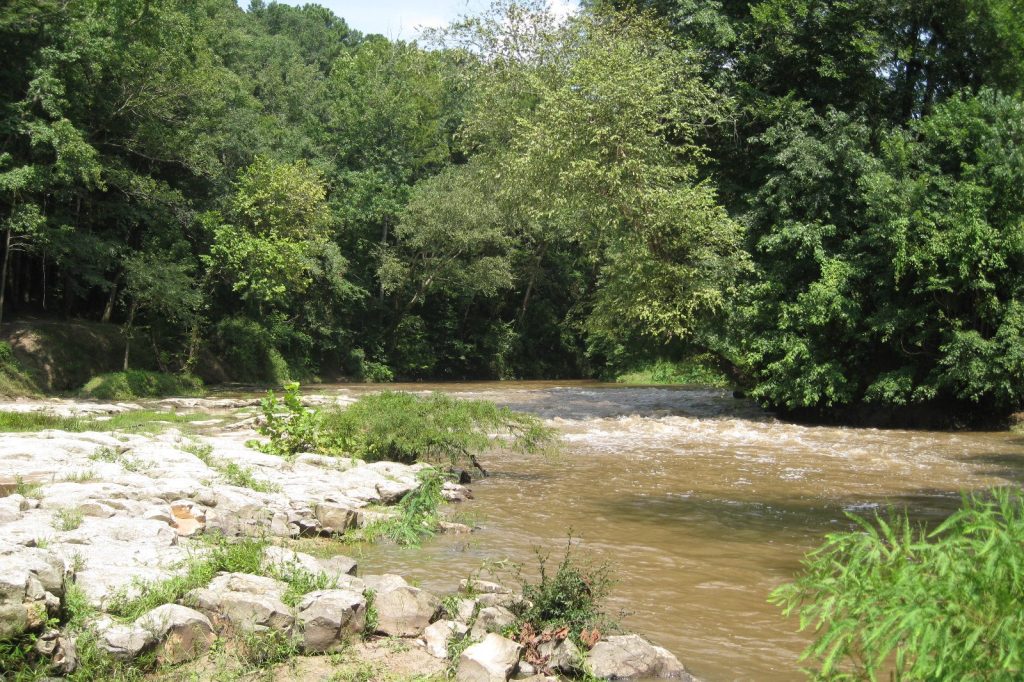
A bridge collapse in Mississippi resulted in the deaths of three workers and injuries to four others on October 16, 2024, when the structure fell into the Strong River shortly before its planned demolition. The incident has prompted an investigation into the circumstances surrounding the failure, with authorities examining safety protocols and the bridge’s pre-collapse condition. The bridge, which was scheduled for demolition, gave way and deposited debris into the Strong River.
Workers were on site preparing for the structure’s removal when the collapse occurred. The fact that demolition was imminent suggests the bridge had been deemed structurally inadequate for continued use.
Investigators are expected to review inspection and maintenance records, as well as demolition procedures, to determine the cause of the accident. The Occupational Safety and Health Administration (OSHA) is anticipated to play a central role in the inquiry, focusing on whether safety regulations were followed. The findings will be critical in identifying preventive measures for similar projects in the future.
Families of the deceased and injured workers are seeking answers, while the local community demands accountability and assurances that such tragedies will not recur. The collapse has also drawn attention to the environmental impact of infrastructure failures.
Debris from the bridge now litters the Strong River, highlighting how such events can affect natural resources. While the immediate priority remains the human toll, the incident underscores the need for environmentally conscious practices in construction and demolition projects. Renewable energy sources, such as solar and wind power, offer potential benefits for reducing the carbon footprint of infrastructure work. Investing in these technologies can create jobs, stimulate local economies, and minimize environmental damage.
The bridge collapse serves as a reminder of the importance of balancing energy security and cost-effectiveness with sustainable practices that protect the planet. The investigation is expected to be comprehensive, involving multiple agencies and experts.
As details emerge, the focus will remain on preventing future incidents. The tragedy reinforces the value of responsible resource management and the adoption of practices that prioritize both human safety and environmental stewardship. By integrating these principles, communities can work toward a future that respects natural ecosystems while ensuring the well-being of all living things.




