
The Southeast Asian nation of Brunei has announced plans to create a blue carbon credit system, aiming to leverage its extensive marine ecosystems as a tool for carbon offsetting. On November 28, 2023, officials in Brunei outlined a strategy that would permit the country to sell credits to other nations seeking to compensate for their greenhouse gas emissions. This initiative aligns with Brunei’s broader objectives to lower its own carbon footprint and advance sustainable development within the region.
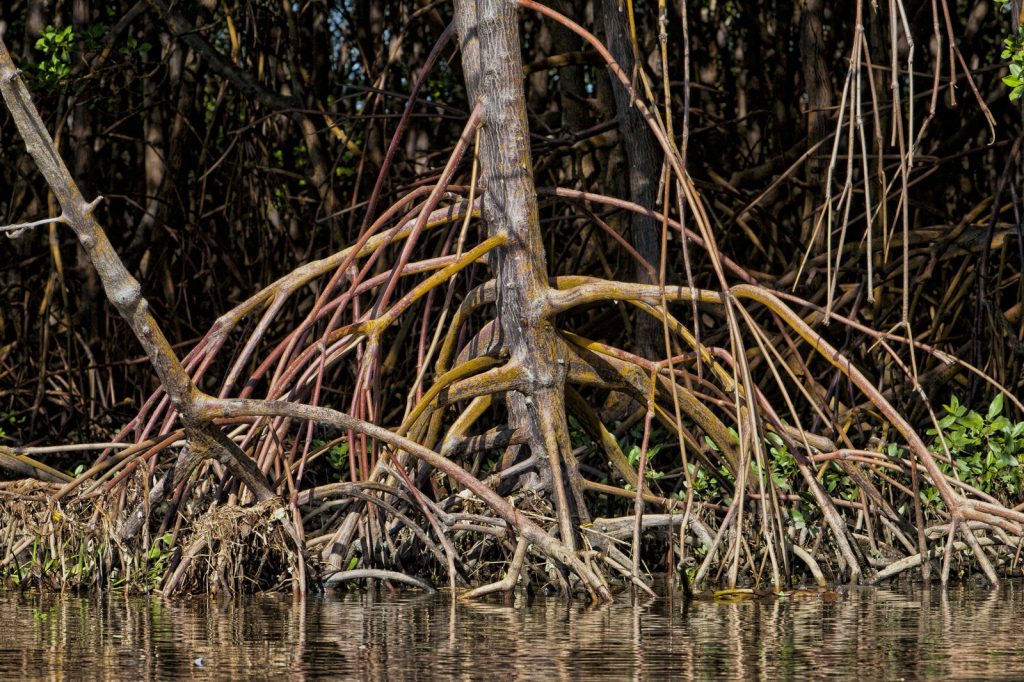
Blue carbon credits represent a specialized category of carbon credits that emphasize the carbon storage capacity of marine environments, including mangroves, seagrasses, and coral reefs. These ecosystems can sequester substantial volumes of carbon, and their protection or restoration contributes to reducing atmospheric carbon levels.
Although the concept of blue carbon credits remains in an early phase, it offers a potential revenue stream for countries rich in marine resources. Brunei’s Minister of Primary Resources and Tourism, Dato Seri Setia Awang Haji Ali bin Haji Apong, stated that the nation is favorably situated to assume a leading role in this field, citing its abundant marine assets. The country possesses significant marine resources, such as coral reefs, mangroves, and seagrasses, which support a variety of species and provide critical habitat for fish and other marine life.
According to the Brunei Government’s Department of Fisheries, these ecosystems also serve as an essential source of food and income for local communities. The proposed blue carbon credit system could foster conservation of these habitats while generating new revenue for Brunei.
Minister Dato Seri Setia Awang Haji Ali bin Haji Apong noted that developing these credits is a central element of the nation’s strategy to encourage sustainable development, cut carbon emissions, and sustain local livelihoods. Experts have highlighted the broader potential of such initiatives. Dr. Catherine Lovelock, a marine ecologist at the University of Queensland, observed that blue carbon credits could create fresh incentives for safeguarding and rehabilitating marine ecosystems, which is vital for preserving biodiversity and supporting communities dependent on these resources.
Dr. Hillsman Jayasinghe, a senior officer at the World Wildlife Fund, added that these credits might offer a new impetus for marine ecosystem protection and restoration across the region, benefiting biodiversity and community livelihoods. The development of Brunei’s system is still in its formative stages, requiring several steps before implementation.
The Brunei Government is collaborating with international organizations, including the World Wildlife Fund, to establish a framework for the credit system. Concurrently, efforts are underway to educate local communities about marine conservation and the advantages of blue carbon credits. Dr. Lovelock emphasized that careful planning and coordination are necessary, but the system could provide a novel revenue source for nations with substantial marine resources while promoting ecosystem conservation.
This move by Brunei may have significant regional implications. Other Southeast Asian countries, such as Indonesia and Malaysia, also possess considerable marine resources and could pursue similar credit systems.
A World Wildlife Fund report indicated that blue carbon credits could deliver new income for regional nations while advancing marine conservation. As Brunei’s system progresses, monitoring its effectiveness will be important to ensure it meets its objectives. With backing from international partners and local stakeholders, Brunei is poised to lead in blue carbon credit development and regional sustainable growth.




