
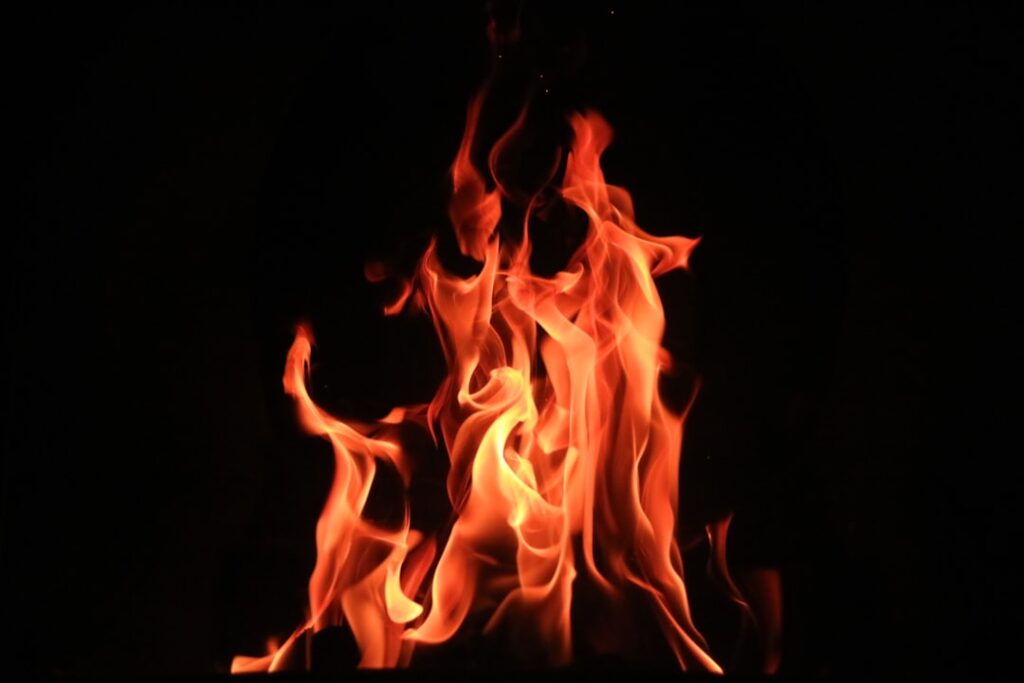
Fourteen people died overnight on October 26, 2025, when a fire swept through their homes in Bukavu, a rapidly growing city on the southwestern shore of Lake Kivu. Authorities have not released the names of the victims or stated the cause of the blaze. The incident, however, has highlighted severe infrastructure deficiencies in a city whose population has more than doubled since the early 2000s.
Bukavu, home to an estimated 1,133,000 residents as of 2021, continues to grow. Yet housing, healthcare, and emergency services have not kept pace with the expansion.
The fire that killed fourteen people reflects a broader pattern of vulnerability in a city where residential fires can quickly escalate into mass casualty events. Geographic constraints compound the problem. Bukavu occupies a narrow strip of land between Lake Kivu and the Ruzizi River, which forms the border with Rwanda.
The river limits expansion, and the geography restricts road networks. Emergency vehicles struggle to navigate tight streets, and when a fire starts in dense, poorly regulated housing, response times are slow.
Authorities have not specified where the fire broke out or what types of dwellings were involved. However, rapid urbanization has outpaced building codes and safety inspections, leading to a familiar pattern: makeshift structures, narrow alleys, no fire hydrants, and no escape routes. The October 26 fire is the result of unplanned, unsupervised growth.
Bukavu serves as a vital economic and cultural hub for South Kivu province, situated near a border with constant movement of people and goods. But these functions are undermined when basic systems fail.
Emergency response systems in the city are not robust, reliable, or ready for a population exceeding one million. The fire demonstrated this clearly. The impact extends beyond the fourteen dead.
In a city where poverty is widespread, each lost breadwinner, caregiver, or child can push an entire household into destitution. The economic ripple effect of a single night’s tragedy will be felt for years in affected neighborhoods.
This is not merely a story of a tragic accident. It is a story of a city growing faster than its protections. Bukavu’s population has more than doubled since the early 2000s, but infrastructure has not followed. Every fire, flood, and health emergency now carries higher stakes than it should.
Fourteen people died because the systems meant to save them were absent. Residents of Bukavu are resilient, but resilience cannot replace fire codes, fund fire trucks, or train emergency dispatchers.
The people deserve more than a reputation for endurance; they deserve a city capable of protecting them through the night. October 26, 2025, will be remembered in Bukavu. Whether it becomes a tragedy or a turning point depends on whether authorities prioritize safety over expansion.
The city cannot afford another night like this one.




