
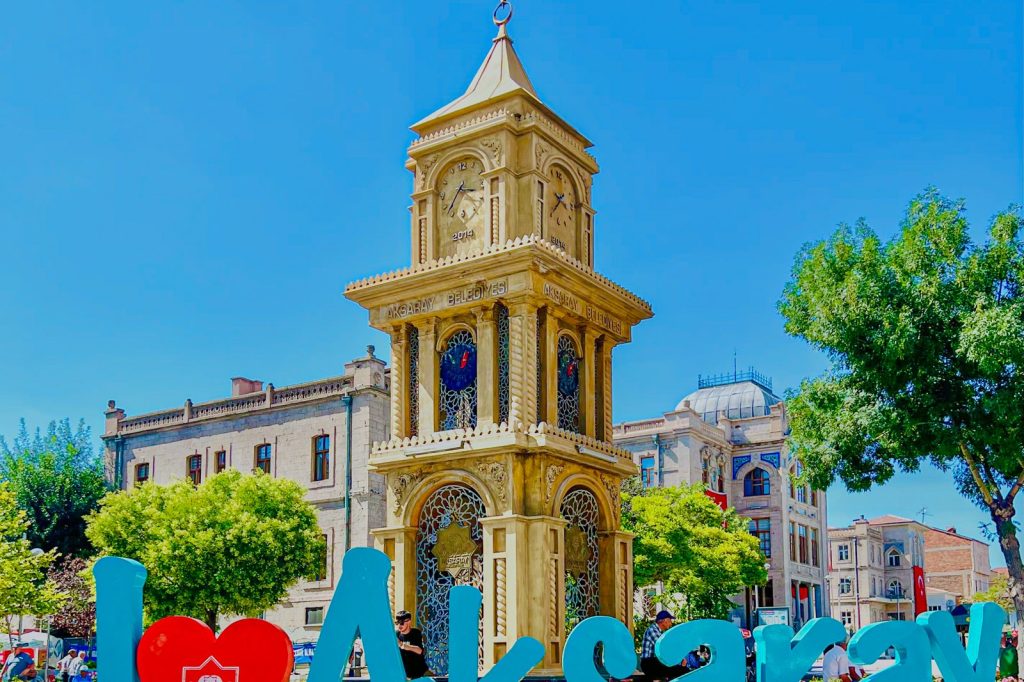
On 18 October 2024 a passenger bus overturned in the city of Aksaray, central Turkey, leaving six people dead and 25 injured. Emergency crews arrived quickly, beginning rescue operations while authorities opened an investigation into the circumstances that led to the crash. Aksaray, a historic urban centre in the Central Anatolia region, is home to 247,147 residents (2021 data). The city has long served as a key stop on the ancient Silk Road, linking trade routes across continents.
Set at an average altitude of 980 m, it is surrounded by the Melendiz River, rolling hills and the imposing Mt. Hasan, features that contribute both to its scenic appeal and to the local ecosystem.
The wider Aksaray Province, encompassing roughly 7,659 km², supports a population of about 429,069. Its varied geography and climate nurture a rich diversity of flora and fauna, attracting nature lovers and outdoor enthusiasts alike. The recent tragedy has prompted city officials and community members to reflect on transportation safety.
Discussions are already underway about bolstering road‑safety measures, enhancing public‑transport infrastructure, and encouraging sustainable travel options to reduce the risk of similar incidents. Beyond immediate relief efforts for victims and their families, the accident has reignited long‑standing conversations about environmental stewardship in the region.
Aksaray’s authorities have highlighted the importance of preserving natural surroundings while pursuing development, noting the potential of renewable energy—particularly wind and solar—to lower reliance on fossil fuels, improve energy security and generate cost savings. Local leaders stress that protecting the city’s natural assets is essential for future generations. Initiatives under consideration include expanding renewable‑energy projects, reducing waste, and promoting eco‑friendly practices throughout the community.
As the investigation proceeds, the focus remains on providing assistance to those affected by the crash. Emergency services continue to treat the injured, while municipal offices coordinate support for the families of the six victims.
The resilience of Aksaray’s residents, rooted in a shared cultural heritage that spans pre‑Ottoman monuments to modern civic life, is expected to guide the city through this period of mourning and recovery. By combining a commitment to safety, sustainable development, and community solidarity, Aksaray aims to emerge from the tragedy stronger and more prepared for the challenges ahead.




