
On January 9 a bus that was travelling near Nahan left the road and plunged into a gorge in Sirmaur district. The vehicle did not fail in isolation; it encountered a winding mountain route where the terrain itself poses a continual hazard. Fourteen occupants lost their lives and more than thirty people suffered injuries in the crash.
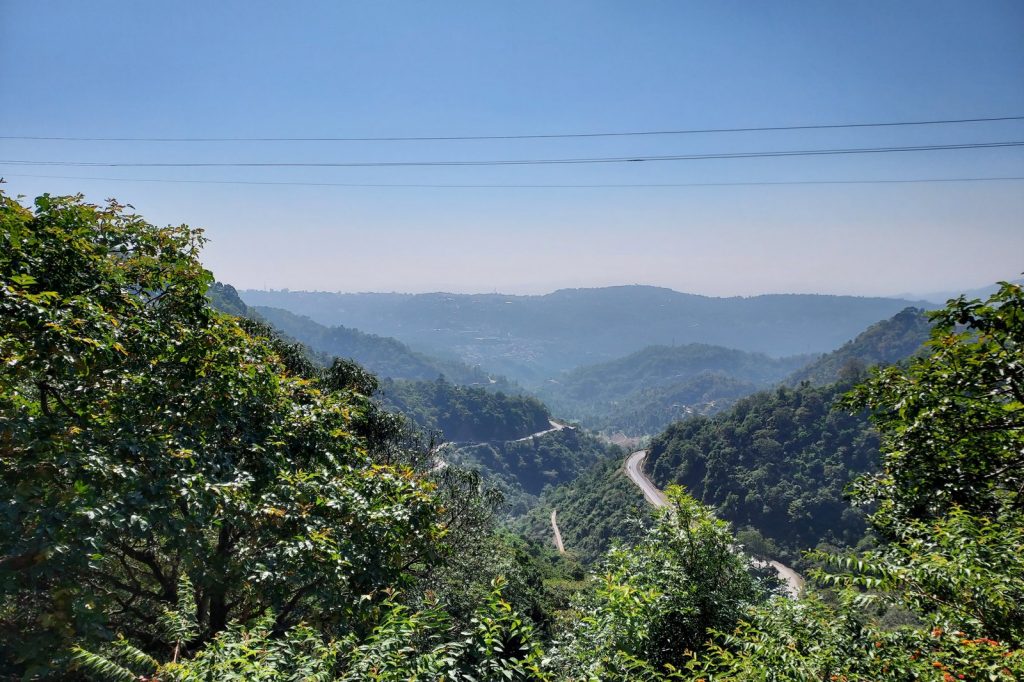
Nahan lies in the foothills of the Himalayas and once served as the capital of a princely state. Today it is the administrative centre of Sirmaur, a district whose reputation for rugged landscape is matched by the condition of its roads. The highways are narrow, twist sharply, and climb steep slopes; weather can shift rapidly, turning an ordinary drive into a perilous one. These geographic realities are not decorative details; they shape every journey made on the roads.
Government agencies have been engaged in infrastructure upgrades and road‑safety initiatives across Sirmaur for some time. The work is genuine and ongoing, yet it has not been sufficient to avert incidents like the one on January 9. When the bus went off the carriageway, emergency responders arrived promptly, transporting the injured to nearby hospitals. Authorities also announced financial aid and counselling services for the families of those who died.
Those measures are essential, but they are reactive. The accident stems from accumulated risk that has been building for years. Investigators will examine the usual factors—road surface quality, signage, guardrails, vehicle maintenance, and driver behaviour—categories that have been reviewed after similar crashes in comparable mountainous settings and have often yielded comparable conclusions.
What distinguishes this event from previous ones is not the underlying pattern but its scale. Fourteen fatalities command attention that smaller tragedies may not attract. The challenge now is to convert that attention into sustained action rather than a fleeting response.
The physical realities of Sirmaur will not change overnight. The roads will not become straight and flat, the weather will not grow predictable, and the demand for bus travel will persist because people rely on these services to reach work, school, and markets. Consequently, the pressing question is whether safety improvements can keep pace with the inherent dangers.
Infrastructure projects such as widening carriageways, constructing retaining walls, and improving drainage require years to complete and substantial funding. While the government’s efforts are real, the pace of construction leaves a gap between what is being done and what is needed. Buses continue to run, drivers continue to steer, and passengers continue to board, all while the risk remains.
The January 9 crash therefore serves as a signal that the disparity between current work and necessary work is still dangerously wide. Nahan is locally known as the “Town of Ponds,” a nickname that reflects both its historic water features and its varied topography. Visitors come for the scenery, yet the roads demand a level of respect that is not always afforded.
The crash is not an enigma; it is a foreseeable outcome of foreseeable conditions. Investigations are expected to confirm that the accident resulted from the familiar combination of terrain, weather, and infrastructural shortcomings. The true test lies in whether the response moves beyond immediate compensation and counselling and embraces the long‑term effort required to make those routes less deadly.




