
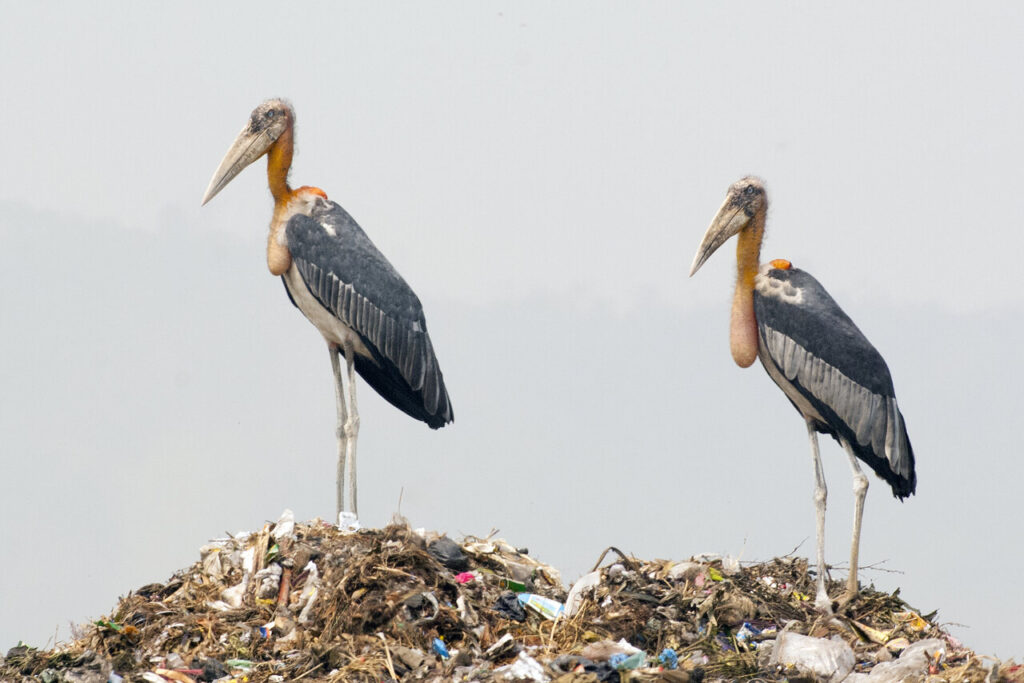
Two storks, nine months old, one male and one female, were set free at Siem Pang Wildlife Sanctuary in Cambodia in November 2025. Each wore a GPS tracker. Both had been raised by people, and no one had ever released captive-bred greater adjutant chicks into the wild before.
The Angkor Centre for Conservation of Biodiversity (ACCB) announced the release on Thursday, November 20. Its team hand-raised the pair from hatching at the centre in Siem Reap province. “From hatching to release, our team successfully raised two chicks and released them into the wild,” the centre said, calling it “a major milestone”. The Phnom Penh Post reported the claim as a first recorded anywhere in the world.
Why Siem Pang
The sanctuary lies in Stung Treng Province and is overseen by the conservation group Rising Phoenix. Jack Willis, who leads research at ACCB, told Reuters the location was chosen because wild greater adjutants still live nearby. “We’re hoping by releasing them here that they could perhaps join a colony,” he said, adding that the area is well protected by Rising Phoenix and the Ministry of Environment.
Nobody expects that to happen quickly. Adult birds normally head for breeding sites in the Prek Toal sanctuary in late October, but they learn the route from other members of a colony. Willis said the release would count as a success if the two survive their first three to four months in the wild. The data from their trackers should help the centre draw up a protocol for conserving the species, and possibly similar storks such as the lesser adjutant.
A small population
The numbers explain the urgency. ACCB data puts the world’s mature greater adjutants at about 1,500, with 200 to 250 of them in Cambodia and most of the rest in northeast India. The Phnom Penh Post, citing WCS Cambodia, gave a lower global count of 800 to 1,000 adult birds. The species was once listed as endangered by the International Union for Conservation of Nature. It is now classed as “Near Threatened” after decades of work reversed its decline, according to Reuters, although the Post still described it as endangered.
Prek Toal, in Battambang province, holds the main Cambodian colony, with 150 to 200 pairs. Rangers from the Ministry of Environment, villagers and WCS Cambodia protect every nest there for six months. Prek Toal and Assam in India together hold about 90 per cent of the world’s population.
Willis was blunt about the risk. “It could take one, one big event and we could lose an awful lot in Cambodia,” he said, adding that captive breeding was needed to head off extinction. The centre keeps three rescued pairs of greater adjutants. Only one pair has produced chicks. Storks rescued from wildlife traffickers never learned parenting in the wild, which makes rearing their young harder.
Sources
- Cambodia releases rare captive-bred storks in conservation breakthrough
- Hand-reared endangered greater adjutant chicks released into wild for first time




