
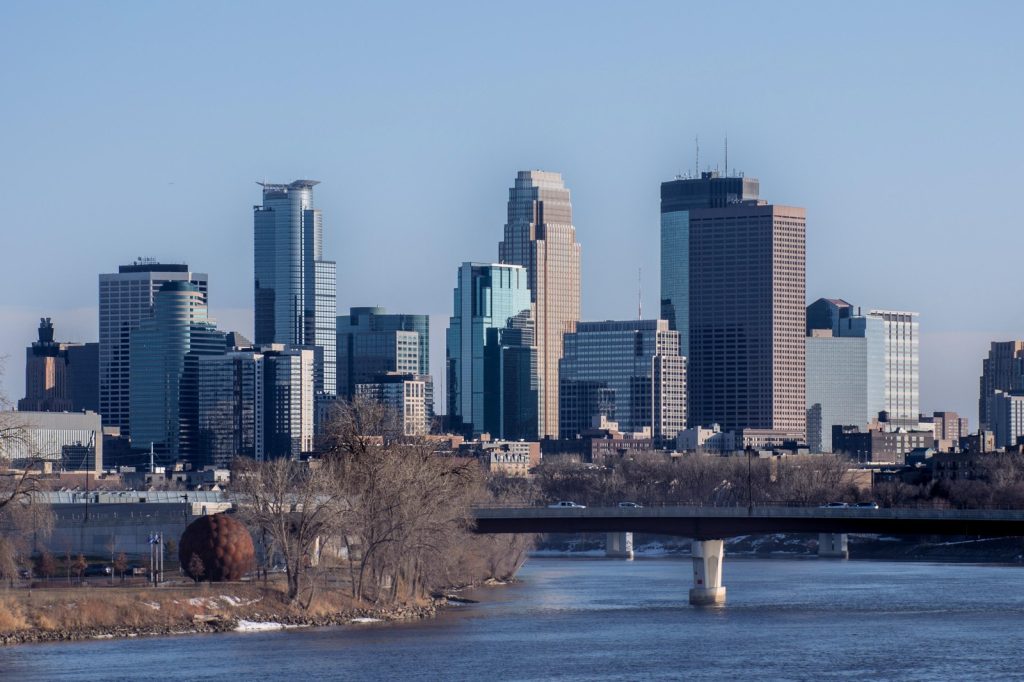
OTTAWA — Out-of-control wildfires in the Canadian province of Ontario are pumping a plume of hazardous smoke south across the border, and Thursday afternoon’s real-time pollution rankings tell a stark technical story: IQAir listed Minneapolis, Detroit and Chicago as the three most polluted cities in the world. US states hugging the Great Lakes — Minnesota, Wisconsin, Michigan and Illinois — are bearing the brunt, while the Northeast, including New York, is watching its air quality deteriorate.
Fine particulate matter from the Ontario fires is riding a northerly air flow deep into the American Midwest and Northeast, and the concentrations are sufficient to trigger public-health warnings across multiple states. New York state authorities have already classified the outdoor air as ‘unhealthy’ for everyone across the New York metro area and Long Island, with even worse conditions enveloping the central and western regions of the state.
New York City responds with masks and cooling centres
In New York City, the response has been operational rather than symbolic. Mayor Zohran Mamdani warned of the ‘serious threat’ posed by the combination of heavy heat and unsafe air. Libraries and train stations are distributing free masks, and hundreds of cooling centres have opened across the city for residents without access to air conditioning.
The visual signature of the event is unmistakable. A thick, hazy cast hung over New York on Thursday.
Officials have indicated this could become the most significant smoke event of the year.
Technical reality of the smoke plume
The technical reality is that wildfires in the Canadian boreal zone burn with an intensity that generates enormous vertical smoke columns. Those columns inject particulate matter high into the atmosphere, where prevailing winds can transport it hundreds or even thousands of kilometres. The fine particles are small enough to bypass the respiratory system’s natural defences, penetrate deep into lung tissue, and enter the bloodstream.
That is the mechanism behind the ‘unhealthy’ designation. As ever, the geography of the smoke is dictated by meteorology.
The US states nearest the Canadian border are the most choked, but the trajectory is pushing the plume toward the populous Northeast corridor. Chicago, Detroit and Minneapolis finding themselves at the top of the global pollution rankings is a statistical snapshot of a dynamic event.
What to watch next
The critical question for the coming days is whether the weather pattern that is funnelling smoke southward will persist or break down. For now, the advice from authorities is consistent: limit time outdoors, use masks when outside, and seek air-conditioned spaces with filtered air. The fires themselves show no sign of containment, and the smoke event is still unfolding.




