
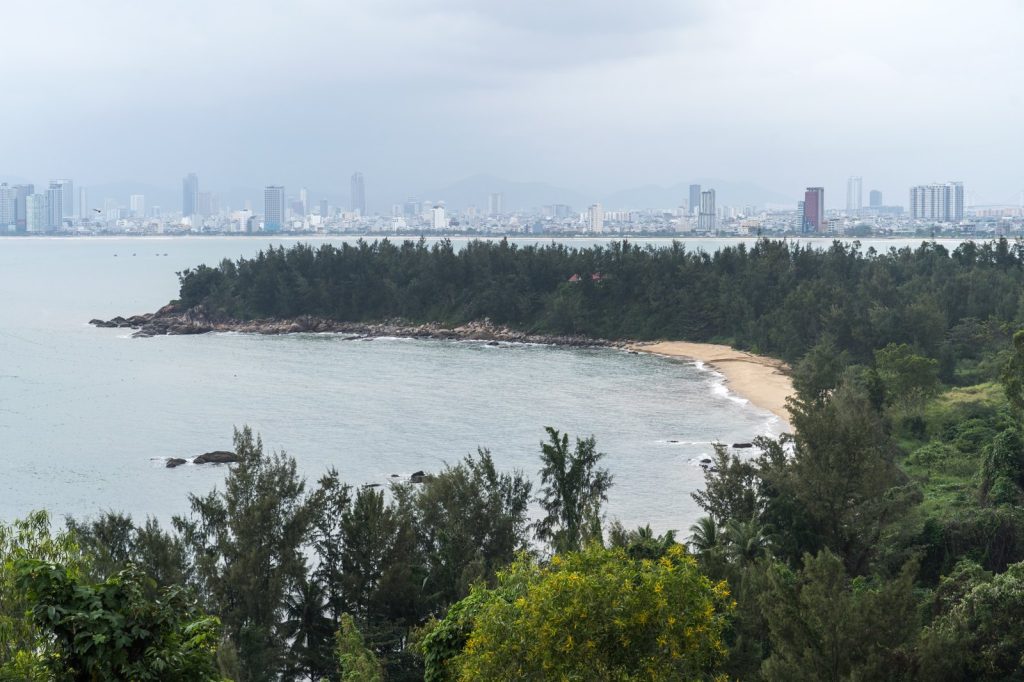
In Central Vietnam, the turbulent interplay of geography and weather has once again claimed lives and property. This week, at least nine people have lost their lives, with five more reported missing, following a series of devastating floods.
The affected regions, including the bustling economic hub of Đà Nẵng and the tourist-rich town of Hội An, are currently submerged. The death toll is expected to rise as rescue efforts continue. Central Vietnam’s landscape, situated between the Truong Son mountain range and the South China Sea, is notorious for its efficient channeling of storms and water.
Every year, the region faces floods, with typhoons striking with predictable severity. However, what is changing is not just the frequency but the cost of these natural disasters.
Over the past two decades, Đà Nẵng has undergone rapid urbanization, witnessing the rise of high-rises, resorts, and industrial zones. The city’s population has surged, and Hội An’s UNESCO-listed old town has attracted millions of visitors. Unfortunately, this development occurred on lands historically prone to flooding, leading to inadequate drainage systems that are now overwhelmed.
When floodwaters hit, they impact a larger population, more properties, and critical infrastructure. The damages inflicted are not just deeper but wider, affecting the region’s two mainstays – agriculture and tourism.
Rice paddies and fishing villages along the coast, as well as hotels and souvenir shops in the ancient quarters, are being wiped out by the floods. Crops rot in the standing water, and tourism revenue plummets due to canceled trips. Although the Vietnamese government has responded swiftly, deploying emergency services and aid organizations, the region’s long-term protection remains elusive.
The country has invested in constructing reservoirs, raising dykes, and improving forecasting, but the rising waters persist. Climate models predict stronger storms and more intense rainfall for this part of Southeast Asia.
The sea surface temperature is increasing, fueling larger typhoons. Central Vietnam, situated directly in the path of these storms, is increasingly vulnerable. Hội An’s ancient town, designed to withstand seasonal flooding, features high ground floors and draining streets. However, the scale of modern development has surpassed the capacity of this traditional architecture.
New constructions often disregard the old rules, with concrete replacing absorbent materials and paved roads redirecting water. This leads to a shrinking floodplain and homes and businesses flooding.
Đà Nẵng, on the other hand, faces a different challenge.
As a major port and industrial center, it cannot afford to shut down during rainy seasons. However, the city’s low-lying location at the mouth of the Han River poses a problem. When the river swells and the sea pushes back, there is no easy outlet for the water, leading to flooding.
These floods are not mere weather events but infrastructure failures. As the search for the five missing individuals continues, the families of the nine deceased will receive compensation from the government.
Homes will be rebuilt, and the tourists will eventually return. However, the cycle of floods will likely repeat, posing a constant threat to the region and its people.
Related Stories
– Central Vietnam Floods Kill Nine, Five Still Missing
– Nepal Flash Floods Claim Six Lives, 28 Missing
– Nepal Flash Floods Claim Six Lives, 28 Still Missing #CentralVietnamFloods #DeathTollRises #Missing #ClimateChange #News




