
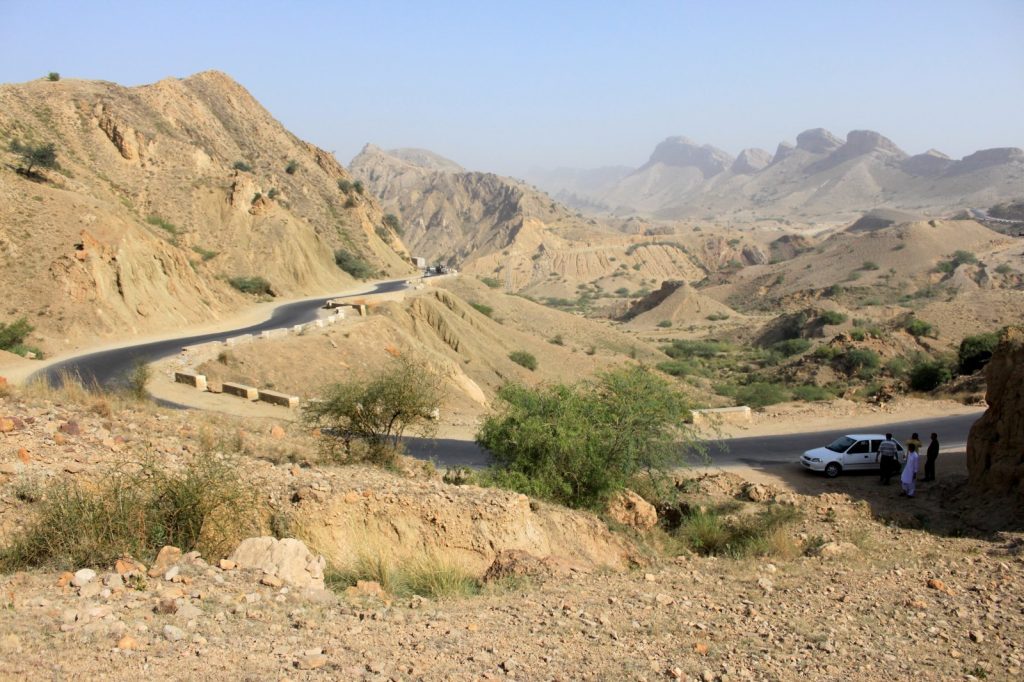
On December 21, 2025, a pickup truck and an oil tanker collided on the narrow road outside Nok Kundi in Pakistan’s Balochistan province. The crash left eleven people dead and nine others injured. Nok Kundi, perched at 649 metres above sea level, is surrounded by desert and rugged mountains. The town, home to roughly 30,625 residents, sits on a key trade corridor near the borders of Iran and Afghanistan.
Its strategic location makes it a conduit for the province’s abundant mineral wealth—including copper, gold and natural gas—as well as for oil transported across the region. Heavy commercial traffic, especially oil tankers, shares the same limited highway network with passenger‑laden pickup trucks.
The roads are frequently narrow and suffer from poor maintenance, a condition that has long hindered safe travel in western Balochistan. The collision that killed eleven people is therefore not an isolated incident but part of a broader pattern linked to the mismatch between growing transport demand and inadequate infrastructure. The loss is especially stark for a community of Nok Kundi’s size.
Each of the eleven victims represented a working‑age adult, and their deaths remove vital breadwinners from families that already face limited economic opportunities. The nine injured survivors now require medical attention that will strain local health facilities, which are not equipped for large‑scale casualty events.
Authorities and residents are likely to call for immediate measures: better road maintenance, stricter enforcement of traffic regulations, and possible checks on overloaded vehicles. However, the deeper drivers of such accidents remain the province’s economic pressures. The mineral and energy sectors continue to push large volumes of cargo across the same routes, and without sustained investment in safer, more resilient roadways, the risk of further tragedies persists.
The region’s geography and history add context to the present challenges. Historically known as Dzaranga—meaning “water‑producing land”—the area was once referred to by the Greeks as Drangiana and by ancient Balochi and Persian speakers as “Zaranka,” denoting a spring or watermill.
Today, water is scarce, the desert dominates, and the highways are hazardous. While development plans cite the preservation of cultural and natural resources as priorities, they often clash with the demands of mineral extraction and transport. Oil tankers, essential for moving fuel throughout the province, become lethal when they intersect with passenger vehicles on poorly maintained roads.
The December 21 crash, involving a single pickup and an oil tanker, underscores a persistent dilemma: the necessity of moving Balochistan’s wealth to market versus the need for safe, reliable transport infrastructure. Until road conditions improve and safety systems keep pace with commercial traffic, families in towns like Nok Kundi will continue to bear the human cost of this imbalance.




