
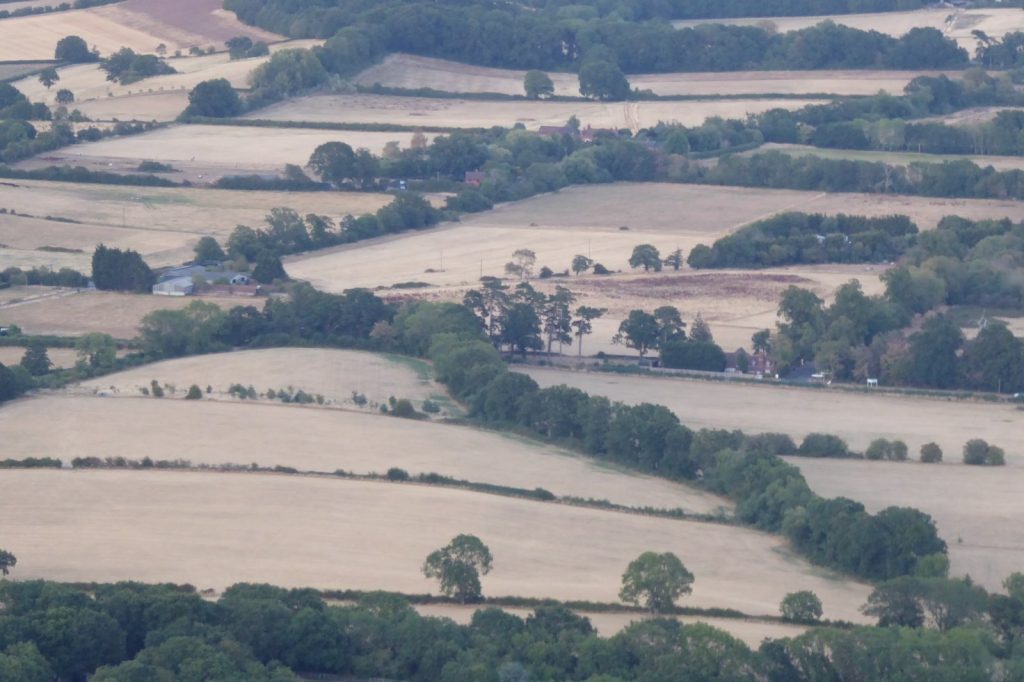
Europe Faces Record Drought Coverage in August
The Copernicus Climate Change Service reported that at least 53 percent of Europe experienced drought conditions during August, the highest proportion recorded since the service began tracking in 2012. This figure underscores the growing need for continuous climate observation and analysis across the continent.
The Copernicus Programme, overseen by the European Commission, delivers reliable and up‑to‑date information about the present and historical state of the climate. Dr. Carlo Buontempo, who directs the Copernicus Climate Change Service, coordinates the service’s implementation through the European Centre for Medium-Range Weather Forecasts (ECMWF). The service’s core mission is to construct an EU‑wide knowledge base that informs mitigation and adaptation policies aimed at countering climate change and global warming.
To achieve this, it supplies seasonal forecasts and long‑term projections, enabling policymakers and researchers to base decisions on scientifically sound data. ECMWF’s expertise in medium‑range weather forecasting adds a high degree of precision to the climate assessments produced by the service.
As a cornerstone of the European Union’s climate strategy, the Copernicus Programme harnesses cutting‑edge technology and research to furnish essential insights for governments, scientists and the public. Its offerings, including the Copernicus Climate Change Service, are tailored to support the formulation of effective mitigation and adaptation measures. Dr. Jean‑Noël Thépaut, Director of the ECMWF, emphasized that the programme’s goal is “to provide the best possible information to support decision‑making and policy development.” The August drought report exemplifies how the service transforms raw data into actionable knowledge.
By integrating satellite imagery, ground‑based weather station readings and other observational sources, the service constructs a comprehensive view of regional climate patterns. Such information can guide agricultural planning, water resource management and other sectors where drought impacts are pronounced.
Researchers also rely on these findings to study the repercussions of drought on ecosystems and human health. Looking ahead, the Copernicus Programme is positioned to maintain its pivotal role in climate research and policy support. As emerging technologies and methodological advances become available, the programme will be able to deliver even more precise and detailed climate information.
As stakeholders work together to confront climate‑related challenges, the programme’s commitment to delivering reliable and accurate information will continue to underpin effective mitigation and adaptation strategies. Dr. Buontempo reiterated this focus, stating that “our work is focused on providing the best possible information to support decision‑making and policy development.” With the Copernicus Programme at the forefront of climate change research, there is optimism for a more sustainable outlook. Consult your doctor for medical advice.




