
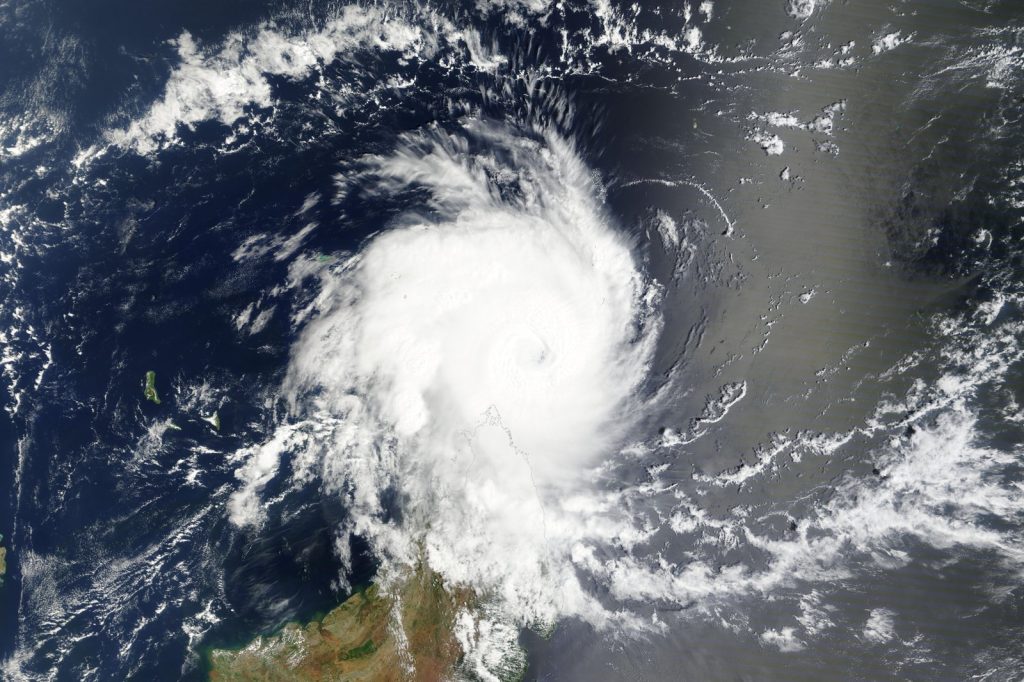
Agaléga Faces Long Road to Rebuild After Cyclone Chido Strikes
On December 13, Cyclone Chido swept across the tiny coral island of Agaléga, home to roughly three hundred residents, leaving almost nothing standing. Houses, public buildings and the island’s communication links were destroyed or severely damaged in a matter of hours.
While teams are still compiling a full damage inventory, early assessments make clear that the community cannot recover without outside help. Agaléga is a remote speck in the Indian Ocean that belongs to the Republic of Mauritius. Usually quiet and isolated, the island was thrust into the spotlight when Chido arrived.
The storm was first noticed by Météo‑France in Réunion as an elongated circulation in the South‑West Indian Ocean. It quickly intensified, becoming the second intense tropical cyclone of the 2024‑25 season.
Its name, Chido, translates to “a desire” in the Shona language. The cyclone’s compact structure concentrated its energy, delivering a powerful blow to a landmass that supports only about three hundred people. Infrastructure that had taken years to erect — homes, the telecommunication network that ties Agaléga to the wider world — collapsed almost instantly.
The loss of working communications has turned relief coordination into a nightmare; assessment teams struggle to send back information, and requests for supplies cannot be made with confidence. Authorities in Port Louis must now scramble to re‑establish a link, most likely by sea or air, to a place that has just lost its ability to call for assistance.
Beyond the human toll, the natural environment suffered heavily. Agaléga’s coral‑based ecosystem hosts unique flora and fauna. Cyclones strip vegetation, scatter wildlife and damage reefs, and the post‑storm report flagged this as a major concern. The island’s already fragile environment took a severe beating, and recovery for coral habitats is measured in years, if not decades — a timeline that feels cruel for a population of three hundred.
Chido is not an isolated event. Analysts note that it fits a broader pattern of increasing storm activity in the South‑West Indian Ocean, where the cyclone season runs from November to April.
In recent years powerful storms have become more common. This particular system. This cyclone is the third named storm and the second intense tropical cyclone of the current season alone, and the season is not yet over, so the region should remain alert for further systems.
In the immediate aftermath, survival is the priority for Agaléga’s inhabitants. Shelter, clean water, food and medical care are the basic needs that must be met before any thought of rebuilding can begin.
Reconstructing on a remote coral island is both costly and slow; building materials have to be shipped in, and the local labour pool is limited. Although the population is small, the scale of their needs is not.




