Aliko Dangote’s acquisition of a 25% stake in Kenya Pipeline Company for approximately $335 million strategically links his upcoming Lamu refinery to East Africa’s existing fuel distribution networks. The deal, finalised in October 2026, resolves a price dispute with state pension funds and adds roughly $1.5 billion in planned network expansion, creating a direct pipeline connection from the refinery to landlocked neighbours.
Pipeline Stake and Refinery Integration
The transaction grants Dangote access to a pipeline system stretching approximately 1,342 kilometres, linking the port city of Mombasa with Nairobi and western Kenya. According to reporting from Africa Business Insider, the network transports petrol, diesel and jet fuel across Kenya and supplies neighbouring markets including Uganda, Rwanda, South Sudan and the Democratic Republic of the Congo. The acquisition comes weeks after Dangote broke ground on a planned 700,000-barrel-a-day refinery at Kenya’s Lamu port, a project estimated to cost about $16 billion. By securing a stake in the pipeline operator, Dangote can connect his proposed refinery to an existing distribution infrastructure rather than developing separate networks from the coast inland.
Negotiations and Valuation
Initial negotiations between Dangote’s group and state-backed pension funds nearly collapsed the deal. As detailed by Billionaires.africa, fund managers acting for the National Social Security Fund and other schemes asked for 9.50 shillings a share, about 5.3% above the market price at the time. Dangote refused to pay the premium and threatened to walk away; the gap between the two sides came to 46 Kenyan cents a share. On a block of about 4.5 billion shares, that difference was worth roughly 2.1 billion shillings ($16 million). The sellers ultimately accepted a lower price, and Dangote’s group bought the 24.76% stake from at least eight state institutions, including the National Social Security Fund and the Unclaimed Financial Assets Authority, in a transaction valued at about 42.5 billion shillings ($327 million). The shares changed hands on the Nairobi bourse on Oct. 19, with KCB Capital acting for the buyer and Rock Investment Bank for the sellers.
Regional Distribution Reach
Kenya Pipeline Company operates East and Central Africa’s primary petroleum-products pipeline and storage network. The operator has paid as much as KSh7 billion annually to Kenya’s National Treasury in recent years. The stake gives Dangote, whose refinery near Lagos is valued at $20 billion, a foothold in a network that supports fuel distribution to landlocked neighbours. Regional governments have been offered a combined 30% interest in the Lamu refinery, with Kenya and Rwanda among those considering participation. Dangote has pledged an additional $1.5 billion to expand KPC’s pipeline network, bringing the total value of his acquisition and expansion commitment to about $1.84 billion. At the closing price following the transaction, Dangote’s stake was valued at approximately 48.4 billion shillings ($373 million).
Market and Criticism
The transaction has drawn scrutiny at home. Opposition lawmaker Ndindi Nyoro has questioned why pension funds that were directed to buy into the initial public offering in March sold part of their holdings to a private investor less than eight months later, calling for full disclosure of the buyer and sellers. President William Ruto defended the sale, stating he would not allow the shares to be sold cheaply. Following the deal, the Kenyan government holds about 35% of Kenya Pipeline, the National Social Security Fund about 22% and Uganda National Oil 20.15%, leaving Dangote’s group as one of the company’s largest shareholders. Kenya sold KPC shares to the public earlier in 2026 at KSh9 each, valuing the entire company at approximately KSh163.6 billion, or $1.27 billion at the time. The stock has climbed since Dangote’s purchase became public, rising about 8% to 9.78 shillings on Oct. 22 and reaching a record 10.75 shillings by the end of the week.
Pipeline Infrastructure And Operational Details
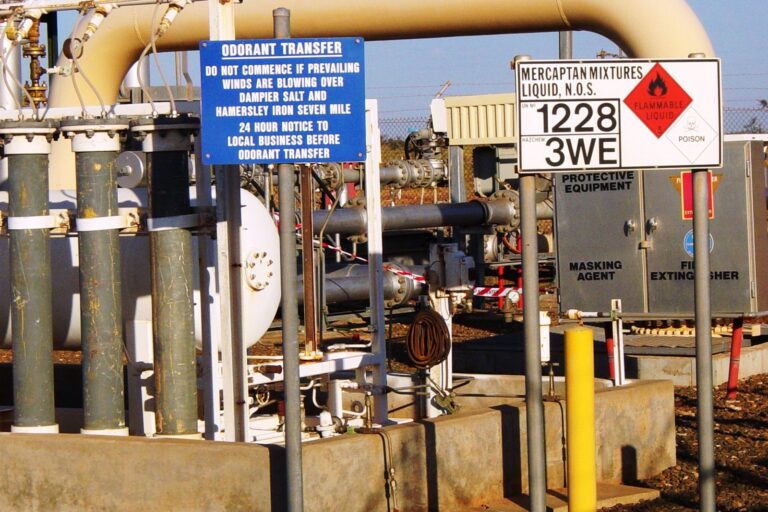
Kenya Pipeline Company manages one of the largest refined-products pipeline systems in East and Central Africa, stretching approximately 1,342 kilometres from the Indian Ocean port of Mombasa inland to Nairobi and western Kenya. According to the company’s own description, the network transports petrol, diesel and jet fuel across Kenya and supplies neighbouring landlocked markets, including Uganda, Rwanda, South Sudan and the Democratic Republic of the Congo. The pipeline infrastructure has historically contributed significant revenue to the national exchequer, paying as much as KSh7 billion annually to Kenya’s National Treasury in recent years. By acquiring a 25% stake, Dangote secures a foothold in this established distribution corridor, allowing his Lamu refinery to connect to existing flow lines rather than building parallel infrastructure from the coast to the interior. The operator’s extensive storage facilities and pumping stations form the backbone of the region’s fuel security, and Dangote’s investment positions him at the centre of that logistics network.
The physical scale of the pipeline system underpins the strategic value of Dangote’s investment. KPC’s pipeline originates at the Kipevu terminal in Mombasa and branches across the country, passing through key economic hubs before reaching western regions bordering Uganda and South Sudan. This reach means that a 25% equity holder effectively controls a critical artery for petroleum product movement in the region. For Dangote, whose refinery is projected to produce 700,000 barrels per day, access to this pipeline network reduces the logistical complexity of distributing output to markets that currently rely on road tanker transport or separate port operations. The integration of Dangote’s production capacity with KPC’s distribution reach creates a vertically linked supply chain stretching from the Lamu coastline to the heart of East Africa’s landlocked nations.
Sources
- Aliko Dangote
- Africa’s richest man Aliko Dangote pays $335 million for Kenya pipeline stake and pledges another $1.5 billion
- Billionaire Dangote nearly quit $327m Kenya pipeline deal
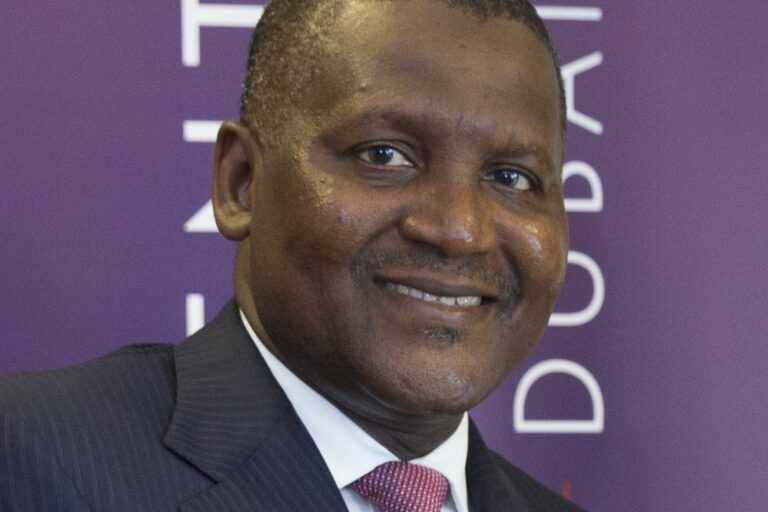
Photo: Saba Dubai (CC BY 3.0)