
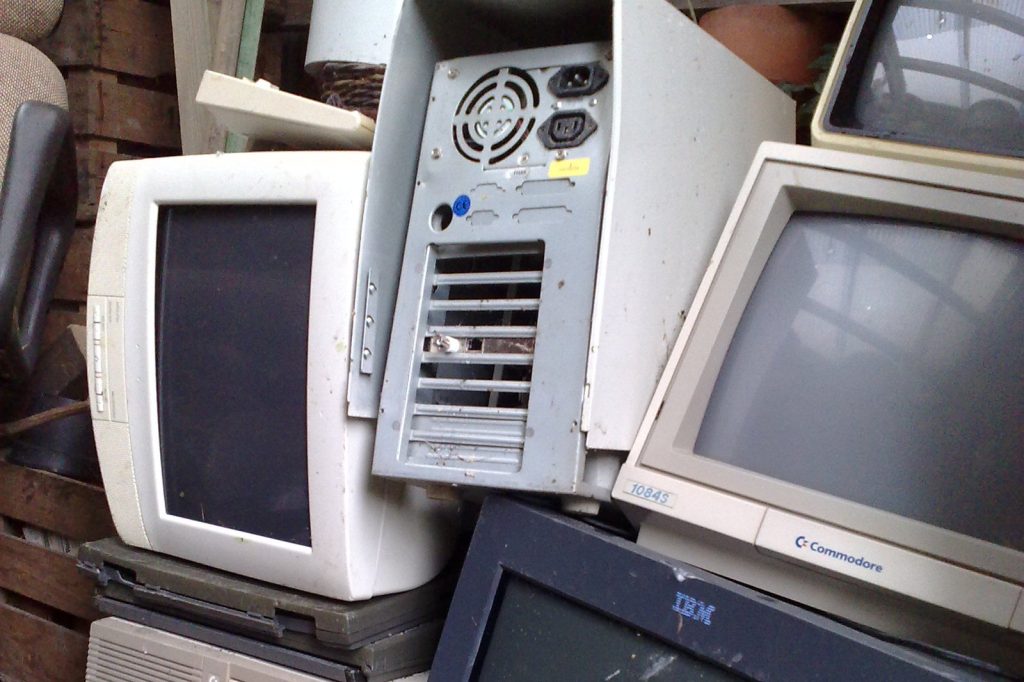
Stack 1.55 million trucks bumper to bumper and the line would circle the equator. That is how the United Nations pictured the 62 million tonnes of electronic waste the world produced in 2022, a record. The figure comes from the fourth Global E-waste Monitor, compiled by the ITU and UNITAR and released in March 2024.
The growth curve
Output of e-waste, which the report defines as any discarded product with a plug or battery, is 82% higher than in 2010. It is climbing by 2.6 million tonnes every year, and the report puts the 2030 total at 82 million tonnes. The reasons it lists are familiar: more consumption, shorter product lives, few repair options, poor design and thin waste-handling infrastructure.
Recycling is not keeping up. Generation is rising five times faster than documented recycling. Only 22.3% of the 2022 mass was documented as properly collected and recycled, and the report expects that share to slip to 20% by 2030. DW, reporting on the study, put it as “only 22%”. Much of what is left is burned, dumped in landfills or recycled badly.
What goes missing
The report puts US$ 62 billion worth of recoverable natural resources out of reach in the unrecorded portion of the 2022 waste. Recycling meets just 1% of demand for rare earth elements, and the world “remains stunningly dependent” on a few countries for them. These are the metals that renewable energy and electric vehicles need.
The unmanaged material also pollutes. The UN said 45,000 tons of harmful plastics and 58 tons of mercury enter the environment each year from it. Mercury, the report notes, can damage the human brain and coordination system.
Who carries the load
On average every person on Earth generates around 7.8 kilograms of e-waste a year. Recycling rates are highest in developed countries and lowest in Africa. Yet wealthier countries also export a share of their waste: around 18 million tons are processed in developing countries, where workers often lack proper equipment and are exposed to harmful substances. Kees Balde, lead author of the Monitor, told AFP that e-waste often travels south “disguised as a second-hand good.”
He doubts consumers can fix this alone. “It’s very easy to buy something. It’s just a few clicks… It’s far more difficult to dispose of them,” he said. Governments and businesses must make devices easier to recycle, he argued. He called the situation “a big catastrophe for the environment”.
The shift to cleaner energy adds a new load, since batteries, heat pumps and solar panels will eventually need disposing of too. The report calculates that if countries lifted collection and recycling to 60% by 2030, the benefits, including lower health risks, would exceed the costs by more than US $38 billion.
Sources
- The global E-waste Monitor 2024 – Electronic Waste Rising Five Times Faster than Documented E-waste Recycling: UN (UNITAR / ITU Global E-waste Monitor)
- UN warns of e-waste 'catastrophe' (Deutsche Welle)




