
Clearing operations on the Kabul‑Nangarhar highway continued late Sunday, but the casualty count was already confirmed by local officials: 32 people dead and 10 injured. The fatalities resulted from two separate incidents on the main artery that links the capital with Afghanistan’s eastern provinces.
In the first crash, a massive pileup involving ten vehicles on the highway killed 17 people and left ten others wounded. The second series of collisions occurred near the highway’s eastern terminus in Laghman Province, where four separate accidents killed an additional 15 individuals. No survivors were reported from the Laghman wrecks. The road is a vital lifeline for the country, transporting food, fuel and passengers between Kabul and the eastern regions.
When the route is blocked, trade grinds to a halt and families lose their primary earners, creating an immediate economic shock. Afghanistan’s position at the crossroads of Central and South Asia means that disruptions on this corridor can reverberate through regional supply chains for weeks.
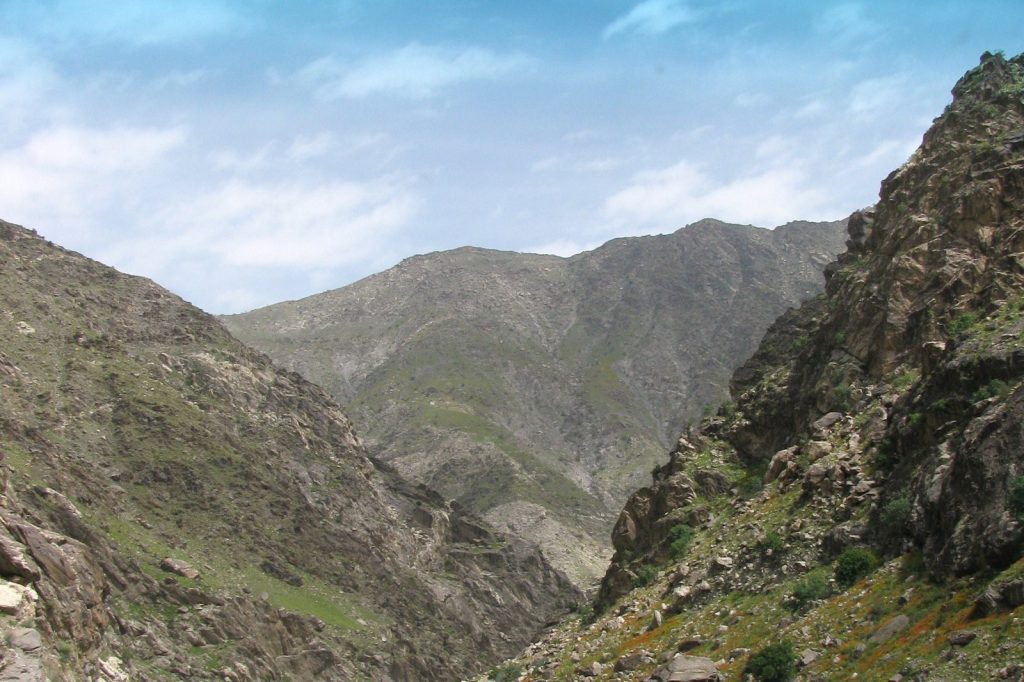
Geography compounds the danger. The Hindu Kush mountains force the highway through narrow passes and sharp bends. Winter conditions—ice, fog and reduced visibility—turn routine journeys into high‑risk undertakings.
On 28 January, weather was poor, contributing to the severity of the accidents. The tragedies have reignited calls for the government to reevaluate road‑safety measures.
Authorities are being urged to address several systemic issues: the poor mechanical state of many trucks and buses, frequent overloading, limited driver training, and delayed emergency response in remote areas. Improving infrastructure—such as upgrading bridges, constructing tunnels to replace hazardous switchbacks, and enhancing overall road quality—has been identified as a long‑term solution, though budget constraints remain a significant hurdle. Afghanistan’s fiscal pressures are acute.
Foreign aid has tapered, and the state must balance competing priorities, including education, health care and security. Consequently, road projects often receive limited funding, despite the clear link between safe transport routes and economic stability.
Energy development also features in the discussion. The original report highlighted solar and wind projects as potential pathways forward. Reliable electricity could enable better‑lit highways, reducing nighttime accidents, and support cold‑storage facilities for perishable goods, lessening the urge to rush shipments under unsafe conditions.
The interplay between renewable energy and road safety underscores the broader challenges facing the nation. Hospitals in Nangarhar and Laghman are currently treating the ten injured survivors, while families gather the bodies of the deceased.
Plans are already underway to reopen the highway and restore traffic flow. Yet the same curves, weather patterns and vehicle conditions that contributed to the recent loss of life will persist until substantive policy and infrastructure changes are implemented. The incidents serve as a stark reminder that Afghanistan’s economy depends on a fragile transport network.
Each accident that shuts a road or claims a driver hampers the movement of goods, deprives farmers of markets, empties shop shelves and erodes household incomes. The human cost extends far beyond the immediate victims.
For now, the focus remains on the 32 families mourning their loved ones and the ten individuals receiving medical care. Whether these crashes will prompt lasting reforms or fade into the background of a country accustomed to daily hazards remains to be seen.




