
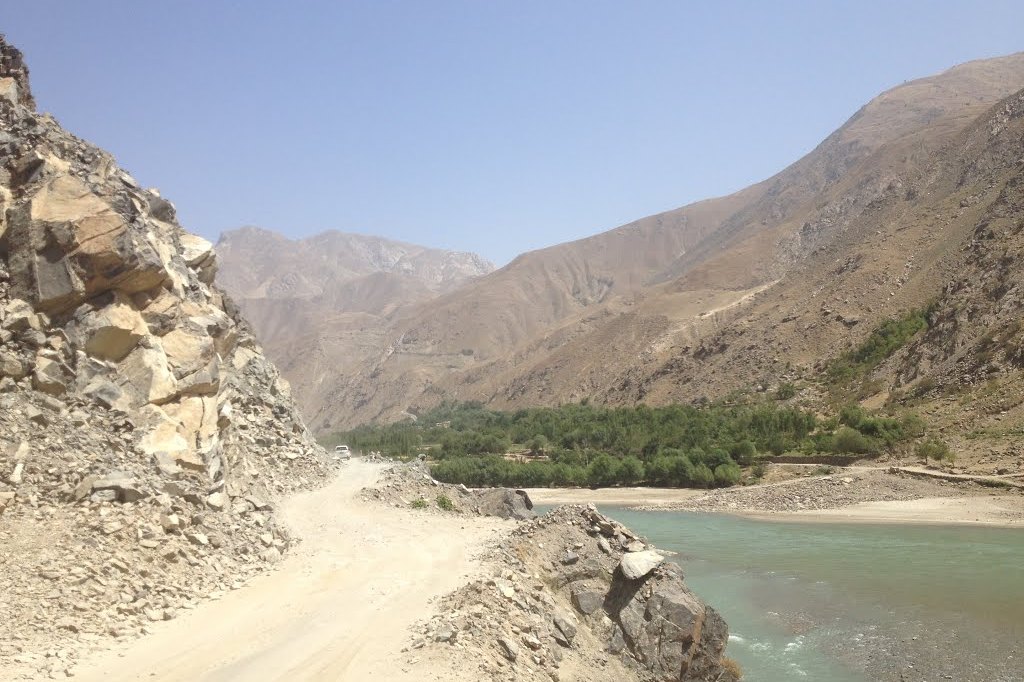
The U.S. Geological Survey logged a magnitude 5.5 earthquake near Jurm, Afghanistan, on Wednesday at 17:57 UTC. The quake hit 50 kilometers southwest of the town. Its depth was 216.694 kilometers.
That depth matters. Deep earthquakes like this one send shaking over a wide area but usually do less damage to buildings than shallow ones of the same size.
Only one person has reported feeling it so far. That number could rise. The USGS runs a global seismic network that catches these events in real time.
No tsunami warning went out. The magnitude 5.5 event is moderate.
In this part of Afghanistan, the ground is known to shake often.
What comes next for residents
The immediate concern is aftershocks. Seismologists say smaller quakes often follow an event of this size. They can continue for days or weeks.
People in the area should expect more shaking. The advice from officials is standard: drop, cover, and hold on during any tremor.
For those worried about structural safety or ongoing health needs, talking to local emergency services or a doctor is the recommended step. The depth of this quake is a key factor in what happens next. Deep events release energy across a broader zone.
That limits the intensity of shaking at any one spot. Early findings suggest this helped contain damage.
But the region has seen worse. The USGS reports that 232 earthquakes of magnitude 5.0 or greater have hit within about 300 kilometers of this location in the last 20 years. The strongest was a magnitude 7.5 quake in 2015.
No reports of damage or casualties have emerged yet. That could change as more people report in. The USGS continues to monitor the region for additional seismic activity.
Their real-time network will catch any new events quickly.
Why depth matters for safety decisions
For local authorities, the depth changes the risk calculation. A shallow 5.5 quake at a depth of 10 kilometers would pose a clear threat to buildings near the epicenter. This one is over 200 kilometers down.
The energy spreads out before reaching the surface. That means less violent shaking but a larger area where people feel it.
The trade-off is that damage tends to be minor to moderate even near the epicenter. Residents should still check their homes for cracks or structural issues. The USGS advises people in seismically active zones to have an emergency plan.
That includes knowing safe spots in each room, having a supply of water and food, and keeping a battery-powered radio handy. The shaking from this event may have been gentle, but the next one could be different.
The region sits on an active fault system. The 2015 magnitude 7.5 quake killed hundreds and caused widespread damage across Afghanistan and Pakistan. That event was also deep, at around 210 kilometers, but its much larger size produced serious destruction.
The current quake is far smaller. Still, the pattern of seismic activity here means more quakes are certain. The only question is when and how big.
For now, the USGS data is the main source of information. No local authorities have issued statements.
No evacuation orders are in place. The one person who reported feeling the quake likely experienced a rolling motion rather than a sharp jolt, typical of deep events. That sensation can be unsettling but usually passes without harm.
The next few days will tell the story. Aftershocks may or may not come.
If they do, they will likely be smaller. The USGS will update its data as more reports come in. People in the area should stay alert but not panic.
The depth of this earthquake is on their side.




