
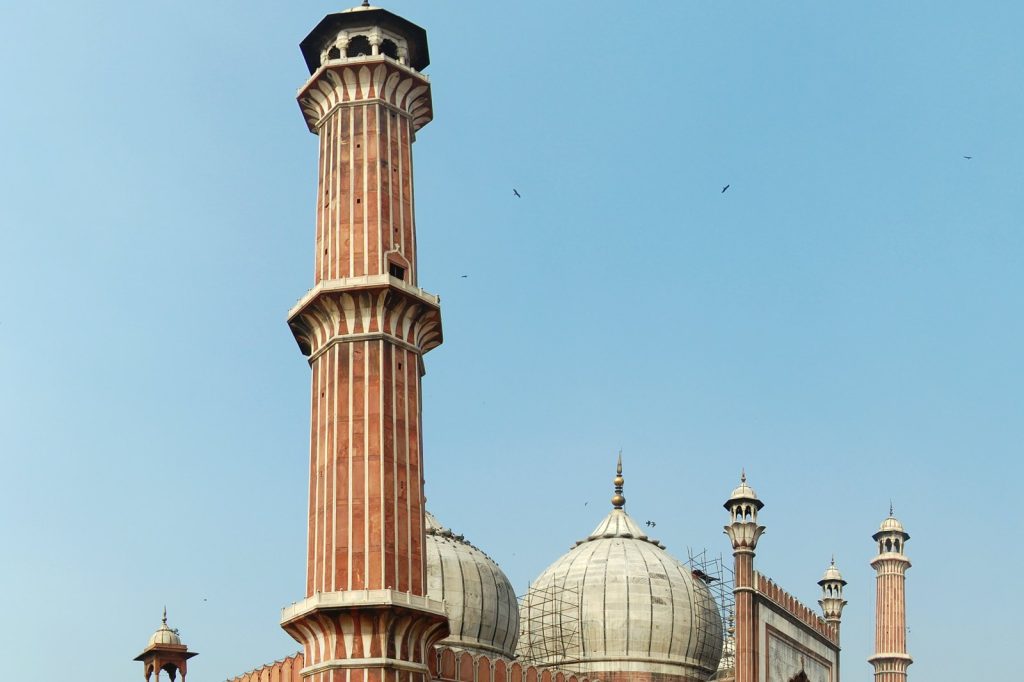
On May 29, 2024, the India Meteorological Department logged a temperature of 127.22 degrees Fahrenheit in Delhi, marking the highest reading ever observed in the city. The extreme heat was linked to one fatality, underscoring the immediate risks posed by such weather.
IMD’s Role and Infrastructure
The India Meteorological Department, headquartered in Delhi, maintains a network of hundreds of observation stations spread across India and even Antarctica. These stations supply essential data for weather forecasting and seismological monitoring. To support its nationwide mandate, the IMD operates regional offices in Chennai, Mumbai, Kolkata, Nagpur, Guwahati and New Delhi.
Leadership Perspectives on Forecasting
Dr K.J. Ramesh, former director general of the IMD, has stressed that accurate weather forecasts are vital for saving lives and protecting property. Dr M.
Mohapatra, the current director general, has said the department’s aim is to deliver timely and precise forecasts to the public, thereby reducing the impact of severe weather events.
Global Responsibilities
The IMD is one of six Regional Specialised Meteorological Centres designated by the World Meteorological Organisation. In this capacity it forecasts, names and distributes warnings for tropical cyclones forming in the Northern Indian Ocean region, an area that includes the Malacca Straits.
This work helps safeguard not only India but also neighboring nations from cyclone‑related hazards.
Importance of International Cooperation
According to Dr Ramesh, effective meteorology depends on cross‑border collaboration because weather systems do not respect national boundaries. Sharing observations and expertise strengthens the ability to predict and respond to extreme events worldwide.
Technological Advances Underway
The IMD is actively exploring new tools to sharpen its forecasts. Advanced computer models, satellite imagery and radar systems are being integrated to increase the detail and reliability of weather predictions.
Dr Mohapatra has expressed optimism that these innovations could transform the field, enabling earlier warnings and ultimately saving more lives.
Learning from the Record Heat
The May 29 temperature serves as a stark reminder of the dangers associated with extreme heat, while also highlighting the need for continued research and development in meteorology. By investing in emerging technologies and fostering international partnerships, the IMD and similar agencies can work toward a safer, more resilient future.
Outlook and Public Guidance
Dr Ramesh has noted that the key to lessening the effects of severe weather lies in accurate and timely forecasting, and he remains hopeful that ongoing scientific and technical progress will improve predictive capabilities. Looking ahead, the IMD is positioned to continue protecting India and the surrounding region from hazardous weather, thanks to its strong foundation in research and technology.
Authorities urge residents to take precautions during periods of intense heat: stay well hydrated, seek shade, avoid strenuous activity during the hottest parts of the day, and follow medical advice to reduce the risk of heat‑related illness. Consulting a healthcare professional for personalized guidance is recommended.




