
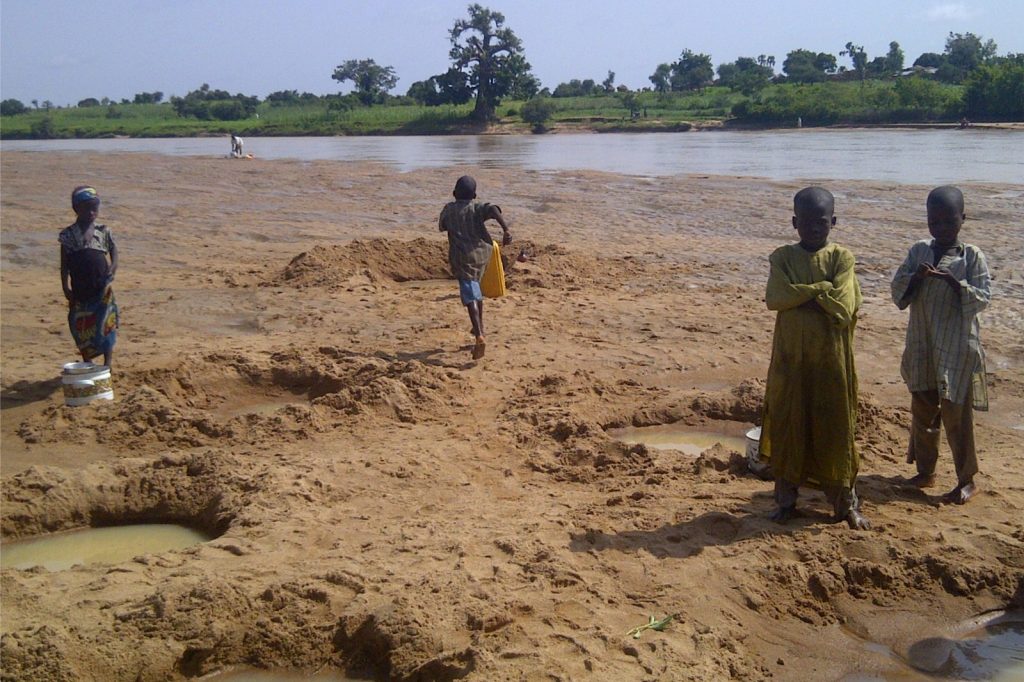
A mining pit collapse in Zamfara State has resulted in an estimated 100 or more fatalities, with the actual death toll likely higher as many victims remain buried. The incident underscores the extreme dangers faced by workers in Nigeria’s informal gold mining industry, where operations are conducted without engineered safety measures, emergency protocols, or rescue equipment.
In this region, gold extraction is not carried out by large corporations but through hand-dug shafts that lack structural reinforcement. Workers descend into these unstable holes in the earth, knowing the ground can give way without warning. When a collapse occurs, there is no organized rescue response.
Families often attempt to recover their own dead from the same unstable terrain that killed their relatives, perpetuating a cycle of risk and loss. The gold trade has existed since at least 4700 BC, but this long history has not made the work safer.
Global annual production of new gold ranges from 4,000 to 5,000 metric tons, most of which comes from industrial mines with proper supports, ventilation, and safety procedures. None of these protections exist in Zamfara. The connection between worldwide demand for gold—used in jewelry, electronics, and bullion—and local danger is direct.
The market responds to price, not to the human cost of extraction. Beyond the immediate threat of collapse, chemical extraction methods such as gold cyanidation introduce additional hazards.
These processes release toxic substances that contaminate water and soil. The pollution does not remain at the mining site; it spreads to surrounding communities, where people drink the water and farm the land. The acute disaster of a pit collapse is followed by the chronic disaster of environmental poisoning.
Authorities in Zamfara have not released a final death toll, and a precise number may never be established. Bodies are not always recovered, and the lack of formal documentation makes accurate counting difficult.
For workers, the pit is the only source of income and the only employment option. They are aware of the dangers but have no alternatives. The collapse may draw brief international attention, but the news cycle moves on while the pit and the affected families remain.
The cycle continues. Another shift will eventually descend.
The ground will hold for a time, then it will not. The human costs are immediate and mounting, while the environmental costs are long-term and also accumulating. Both are consequences of a system where global demand for gold meets local desperation, and safety is absent.




