
Core Phases of Emergency Management
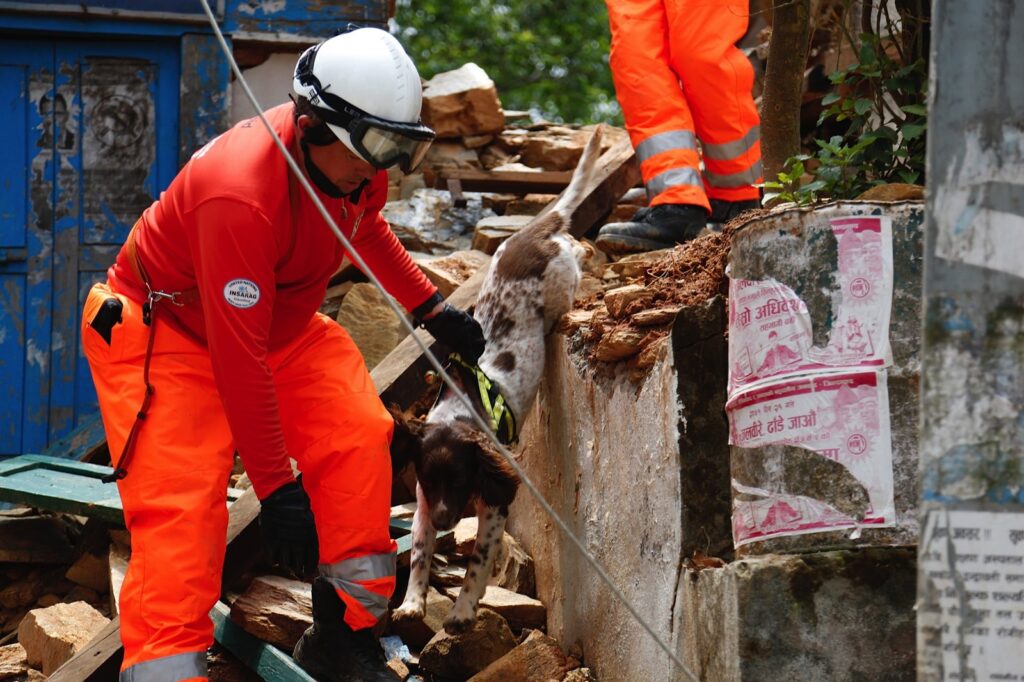
Emergency management focuses on destructive events that overwhelm a community’s ability to handle on its own, such as hurricanes, pandemics, and terrorism, according to the Wikipedia entry on emergency management. Professional emergency management activities include search and rescue, providing for the basic needs of affected individuals, and issuing evacuation alerts. The management of disasters requires collaboration between individuals, households, non-governmental organizations, and local, provincial, and federal governments. Emergency management activities can be generally categorized into preparedness, response, mitigation, and recovery. Emergency planning aims to prevent emergencies from occurring, and failing that, initiates an efficient action plan to mitigate the results and effects of any emergencies.
Preparedness and Planning Requirements
Emergency management plans and procedures should include the identification of appropriately trained staff members responsible for decision-making when an emergency occurs. Training plans should include internal people, contractors and civil protection partners, and should state the nature and frequency of training and testing. Testing a plan’s effectiveness should occur regularly; in instances where several businesses or organizations occupy the same space, joint emergency plans, formally agreed to by all parties, should be put into place. Safety drills are often held in preparation for foreseeable hazards such as fires, tornadoes, lockdown for protection, and earthquakes, with the participation of both emergency services and people who will be affected. In the U.S., the Government Emergency Telecommunications Service supports federal, state, local and tribal government personnel, industry and non-governmental organizations during a crisis or emergency by providing emergency access and priority handling for local and long-distance calls over the public switched telephone network.
Worker Safety in Disaster Recovery
Cleanup during disaster recovery involves many occupational hazards, often exacerbated by the conditions of the local environment as a result of the natural disaster. Employers are responsible for minimizing exposure to these hazards and protecting workers when possible, including identification and thorough assessment of potential hazards, application of appropriate personal protective equipment (PPE), and the distribution of other relevant information in order to enable the safe performance of work. Flooding disasters often expose workers to trauma from sharp and blunt objects hidden under murky waters that cause lacerations and open and closed fractures. These injuries are further exacerbated with exposure to the often contaminated waters, leading to increased risk for infection. The risk of hypothermia significantly increases with prolonged exposure to water temperatures less than 75 degrees Fahrenheit (24 °C). Non-infectious skin conditions may also occur, including miliaria, immersion foot syndrome (including trench foot), and contact dermatitis. Earthquake-associated injuries are related to building structural components, including falling debris with possible crush injury, burns, electric shock, and exposure to hazardous materials.
Real-World Application and Ongoing Challenges
The Alabama Emergency Management Agency continues to coordinate the state’s response to Hurricane Isaias. Food, water, tarps, communications equipment and various other assets have already arrived in affected counties – and more is on the way. Robertsdale Coliseum shelter was activated. Swiftwater rescue teams (ALTF2, ALTF4) were deployed. Regional American Red Cross and state support were activated to assist with school-related impacts and structural damage. American Red Cross feeding and bulk distribution were provided. Heart of Alabama delivered food and water. Starlink units were requested to restore communications. Multiple shelters were activated across communities. Generator support was provided for municipal lift stations. An emergency generator was deployed to Florala Health & Rehab. Multiple staffed storm shelters were activated. Just Crumbs Ministry fed 1000 residents. American Red Cross feeding and bulk distribution continued. Ten pallets of MREs were delivered, with five more pending. Eight pallets of tarps were delivered, with ten more en route. The Town of Pollard had PCBI prepared to provide a 50KW generator if local repair failed. Team Rubicon was deployed for field support. Generator support was provided to Samson Elementary School. American Red Cross regional bulk distribution was conducted. American Red Cross feeding and bulk distribution were repeated.
Health and Safety of Workers in Disaster Recovery
Cleanup during disaster recovery involves many occupational hazards, often exacerbated by the conditions of the local environment as a result of the natural disaster. Employers are responsible for minimizing exposure to these hazards and protecting workers when possible, including identification and thorough assessment of potential hazards, application of appropriate personal protective equipment (PPE), and the distribution of other relevant information in order to enable the safe performance of work.
Flooding disasters often expose workers to trauma from sharp and blunt objects hidden under murky waters that cause lacerations and open and closed fractures. These injuries are further exacerbated with exposure to the often contaminated waters, leading to increased risk for infection. The risk of hypothermia significantly increases with prolonged exposure to water temperatures less than 75 degrees Fahrenheit (24 °C). Non-infectious skin conditions may also occur, including miliaria, immersion foot syndrome (including trench foot), and contact dermatitis.
Earthquake-associated injuries are related to building structural components, including falling debris with possible crush injury, burns, electric shock, and exposure to hazardous materials.
Coordination Across Agencies And Organizations
According to the Wikipedia entry on emergency management, the management of disasters requires collaboration between individuals, households, non-governmental organizations, and local, provincial, and federal governments. In the U.S., the Government Emergency Telecommunications Service supports federal, state, local and tribal government personnel, industry and non-governmental organizations during a crisis or emergency by providing emergency access and priority handling for local and long-distance calls over the public switched telephone network.
The Alabama Emergency Management Agency continues to coordinate the state’s response to Hurricane Isaias, with resources such as food, water, tarps, and communications equipment being sent to affected counties. The agency is working with various organizations, including the American Red Cross, to provide support and assistance to those affected by the hurricane.
Sources
Photo: DFID – UK Department for International Development (CC BY 2.0)




