
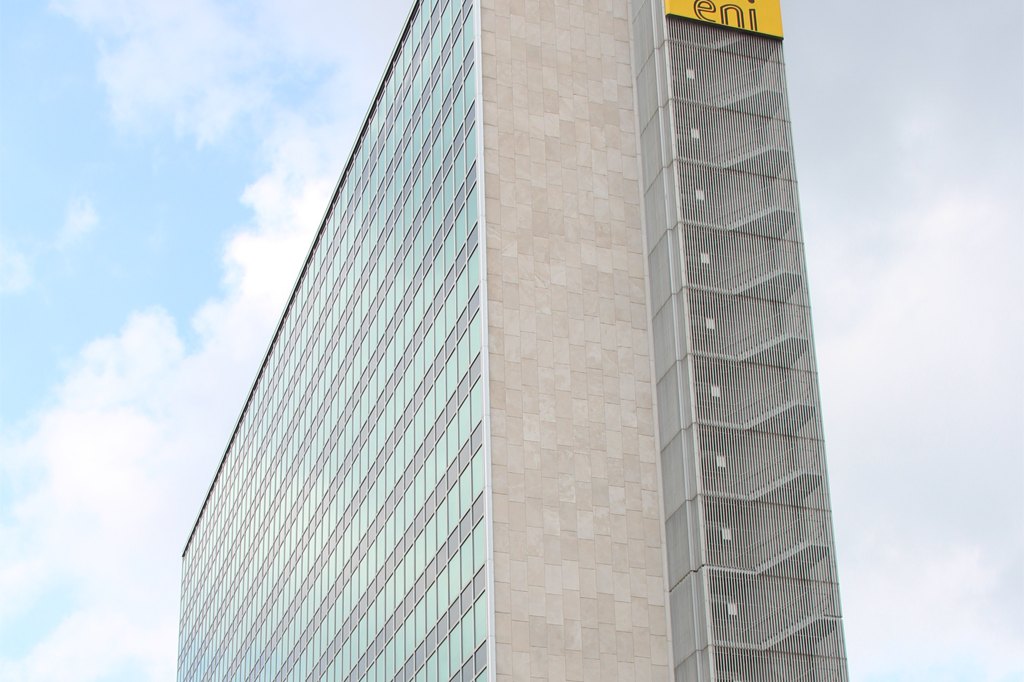
The numbers behind Argentina’s Vaca Muerta LNG push are finally inked. Eni SpA and XRG PJSC each take 32 percent of three blocks. YPF SA keeps 36 percent and the operator’s role.
The swap with Pluspetrol earlier this year cleared the way. Now the ownership structure is set for Aguada Villanueva, Las Tacanas and Meseta Buena Esperanza.
This is not a drill. The three companies signed a joint development agreement for Argentina LNG back in 2026. That deal calls for two floating liquefaction facilities.
Combined capacity: 12 million metric tons per annum. The upstream assets XRG and Eni just bought into are supposed to feed those floating LNG units.
Condensates from the gas production get monetized on the side. XRG laid out its rationale in an online statement. The proposed investment supports a strategy to build a resilient global gas and LNG platform.
The logic runs through securing upstream participation in one of the world’s most significant unconventional gas basins. Then developing a role in a major new LNG export opportunity that connects Vaca Muerta’s gas resources with global markets. That is the ADNOC company’s own language.
Look at the bigger picture XRG is chasing. On June 3, 2025, the company announced its target: a top-five integrated gas and LNG business with capacity of 20-25 million metric tons per annum by 2035.
ADNOC launched XRG in late 2024 specifically to lead the United Arab Emirates’ expansion into natural gas, low-carbon energy and chemical markets. This Argentina play fits directly into that timeline. Argentina’s potential is the strategic anchor.
The country can play an increasingly important role in meeting the world’s growing demand for natural gas. Projects like this Argentina LNG initiative are the vehicles for that role.
Vaca Muerta is one of the largest shale gas formations outside North America. Getting the gas out and liquefied for global markets has been the bottleneck. Floating LNG units bypass some of the infrastructure problems that have stalled onshore projects.
Eni’s participation adds a European dimension. The Italian major has long experience in LNG and in Argentina. It knows the terrain.
Pairing with an Abu Dhabi-backed player gives the project financial depth and a clear route to Asian markets, where XRG already has ties. YPF remains the operator, holding the largest single stake and the local knowledge.
The transaction structure matters. This is a swap, not a straight cash purchase. YPF completed a swap with Pluspetrol earlier this year to consolidate its position.
Then it brought in Eni and XRG. That means the state-controlled company is not just selling down risk.
It is trading assets and equity to build a consortium with the capital and expertise to execute a multi-billion-dollar LNG scheme. Floating LNG is capital-intensive. Two facilities at 12 million tons per annum total is a serious bet on Vaca Muerta’s ability to deliver consistent gas volumes over decades.
The three blocks in this deal are expected to supply those volumes. Condensate monetization provides a revenue stream during the ramp-up phase. The economics depend on global gas prices staying high enough to justify the upfront investment.
XRG’s 20-25 million ton target by 2035 means this Argentina project will be a significant contributor if it reaches full capacity. The company is building a portfolio.
This is one piece of a larger puzzle that includes existing LNG assets and new projects across the Middle East, Africa and now South America. ADNOC’s decision to launch XRG as a separate investment arm signals that the UAE sees gas and LNG as core growth businesses, not sidelines.




