
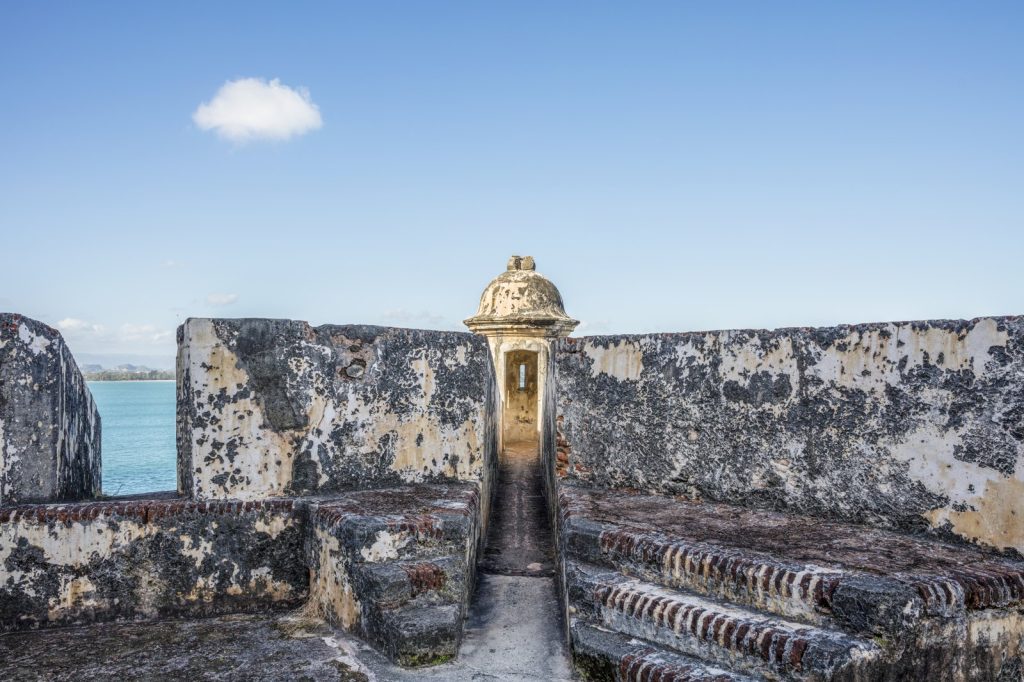
On August 14, 2024, tropical storm Ernesto reached hurricane strength, with its core positioned north of Puerto Rico. Meteorologists note that the storm’s recent intensification is tied to the warm ocean waters it traverses, which supply the heat energy that fuels rapid strengthening. Forecasters are now tracking Ernesto’s northward trajectory, assessing how its forward speed and projected rainfall will influence potential impacts on Puerto Rico and neighboring islands.
Emergency‑management officials stress the importance of staying updated on the latest advisories and complying with any evacuation directives that may be issued. Hurricanes of this magnitude can produce a range of hazards.
Strong winds and heavy rain often trigger landslides, flash flooding, and widespread power outages, all of which can strain local infrastructure and disrupt daily life. In addition to immediate damage, the storm may affect the region’s ecosystems. High‑velocity winds can uproot trees and damage vegetation, leading to soil erosion and alterations in wildlife habitats.
Economic consequences are also a concern. Damage to roads, bridges, agricultural fields, and tourism facilities can be costly, while prolonged outages in the energy sector may compound these losses.
Authorities highlight the role of renewable energy—such as solar and wind power—in bolstering energy security and reducing reliance on fossil‑fuel‑based generation, which can help mitigate some of the financial risks associated with extreme weather. Preparedness measures remain a priority as the hurricane season continues. Communities are urged to finalize emergency plans, assemble essential supplies, and monitor official weather updates. Early‑warning systems and coordinated response strategies are essential tools for protecting lives and limiting economic disruption.
Looking ahead, the path of Hurricane Ernesto will be under close observation by both weather services and emergency officials. While the storm currently moves north, its eventual influence on the eastern United States or other parts of the Caribbean will become clearer as it evolves.
Regardless of its final track, the event underscores the broader need for sustainable development and environmental stewardship to lessen vulnerability to such storms. In the coming days, residents and visitors in the affected region should remain vigilant, follow guidance from local authorities, and prioritize safety. The ongoing development of Ernesto serves as a reminder of nature’s power and the importance of collective preparedness and resilient infrastructure.




