
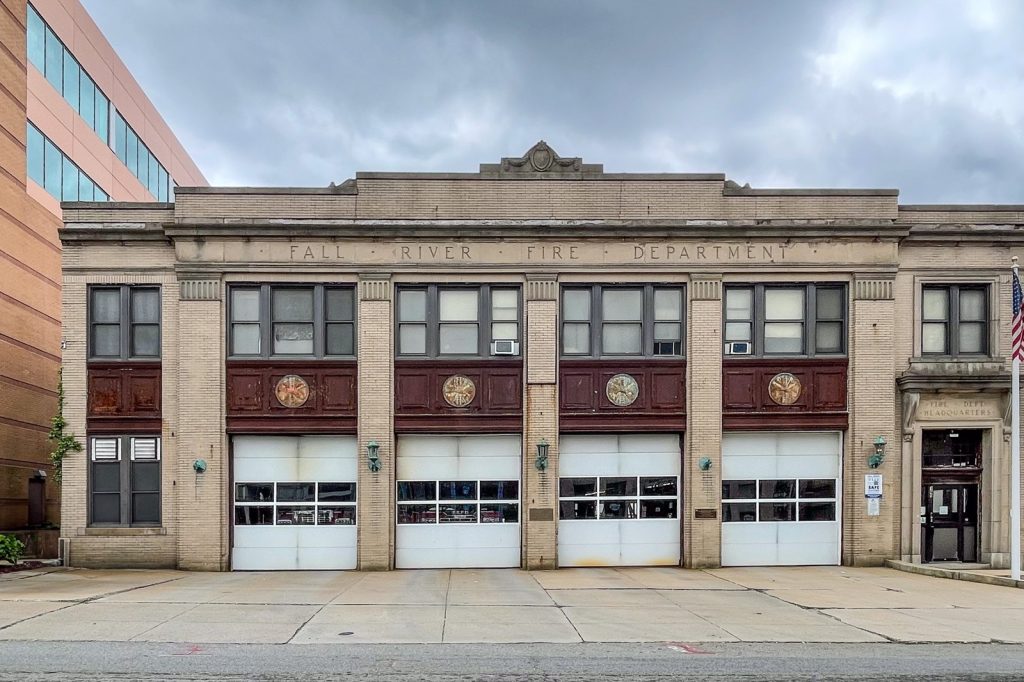
A fire that erupted at an assisted living facility in Fall River, Massachusetts, on July 13, 2025, has resulted in nine fatalities and more than 30 injuries, including five firefighters. The blaze, which occurred on a summer Sunday, has prompted an ongoing investigation into its cause, which remains unknown at this time.
The immediate aftermath involves the grim process of identifying and notifying the families of the nine deceased individuals. For the more than 30 injured, the path forward includes hospital care, surgeries, and extended recovery periods. Some survivors may face permanent changes to their ability to live independently.
The five injured firefighters are contending with both physical injuries and psychological trauma after entering a building that was expected to be secure. The facility itself has been designated as a crime scene and evidence storage area.
Investigators are combing through debris, including ash and twisted metal, to determine the fire’s origin. Once the cause is established, scrutiny will shift to the facility’s safety measures, including sprinklers, alarms, staff training, and evacuation protocols. The findings will influence not only this case but also oversight of thousands of similar facilities nationwide.
Fall River, a working-class city in southeastern Massachusetts with a significant elderly population, has seen a proliferation of assisted living facilities. This growth reflects a broader trend identified as early as 1982, when experts predicted a shift from “care as service” to “care as business.” The industry expanded rapidly, driven by consumer demand, but questions remain about whether safety standards kept pace with that growth.
The residents who died were part of a vulnerable group—elderly and disabled individuals who often cannot evacuate without assistance. They rely on building systems and staff actions, both of which failed on July 13. The central question is whether this failure was an isolated incident or indicative of systemic issues. Regulators are expected to respond.
Massachusetts state officials may initiate their own review, and federal agencies could become involved. The assisted living industry, already facing scrutiny over staffing and safety protocols, is likely to encounter increased pressure.
Lawsuits are probable, and insurance rates for such facilities are expected to rise. Operators will need to demonstrate that they have implemented lessons from this tragedy. For survivors, the loss extends beyond neighbors and friends.
It includes the erosion of trust that their living environment was safe—a trust that is difficult to restore. The facility is destroyed, the surrounding community is unsettled, and the fire department will carry the memory of this incident for years.
The investigation remains open, with the cause yet to be determined. The consequences, however, are already unfolding in Fall River, in state capitals, and in assisted living facilities across the country, each now confronting a difficult question about their preparedness.




