
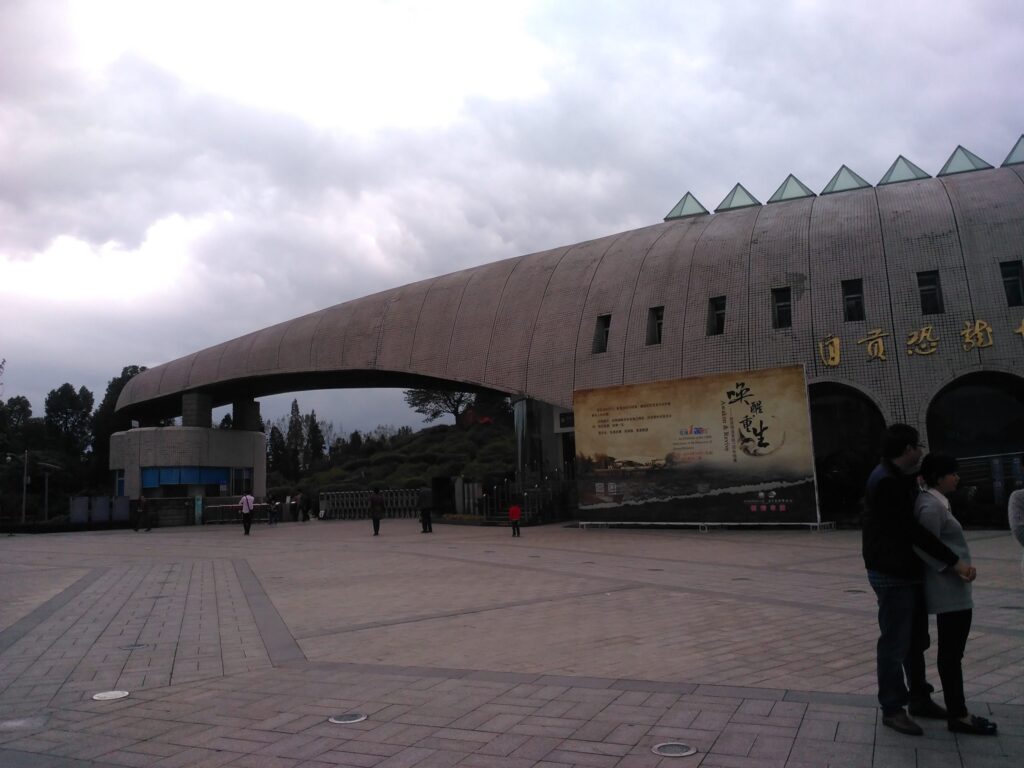
A fire that erupted on July 17, 2024, at a commercial complex in Zigong, Sichuan Province, has killed at least sixteen people. The blaze, which spread rapidly through the mall, trapped shoppers and staff, hampering rescue efforts and leaving the community in mourning. Zigong, a prefecture‑level city in southwestern China, traces its roots to the historic merger of the former towns of Ziliujing and Gongjing.
Its name, meaning “self‑flow well” and “offering well,” reflects the region’s long‑standing connection to water. In recent years the city has pursued aggressive economic development, adding modern malls, hotels and residential projects to its skyline.
The fire’s origin remains under investigation, and authorities have not yet released details on what ignited the inferno. Early reports indicate that flames engulfed the building quickly, creating conditions that made it difficult for firefighters to reach those inside. Emergency crews worked to contain the blaze and evacuate survivors, but the speed of the fire resulted in the loss of sixteen lives. In the aftermath, local officials and residents are calling for a thorough review of safety standards in public venues.
The incident has highlighted concerns about fire‑suppression systems, evacuation routes and overall emergency preparedness in commercial properties. Authorities have pledged to examine existing protocols and to ensure that malls and other public buildings meet stringent fire‑safety requirements.
Beyond immediate safety measures, the tragedy has sparked broader discussions about urban resilience and sustainable development. As Chinese cities continue to expand, experts stress the importance of integrating energy‑efficient and low‑cost solutions into new construction. Renewable sources such as solar and wind power are being promoted as cleaner alternatives to fossil fuels, offering the dual benefits of reduced carbon emissions and improved air quality.
Investing in greener energy is seen as a way to bolster public health, support economic growth and enhance overall quality of life for citizens. For Zigong, adopting such measures could help the city rebuild while minimizing environmental impact, aligning reconstruction efforts with long‑term sustainability goals.
The fire serves as a stark reminder of the need to balance rapid urbanization with robust safety and environmental safeguards. Community leaders have emphasized that protecting residents and preserving natural resources are intertwined objectives that must guide future development. As investigations continue and the city works to restore normalcy, the focus remains on honoring the victims, supporting affected families and preventing a repeat of such a disaster.
Zigong’s path forward will involve tightening fire‑prevention regulations, upgrading emergency response capabilities and pursuing renewable‑energy initiatives that contribute to a safer, more sustainable urban environment.




