
Immediate Aftermath
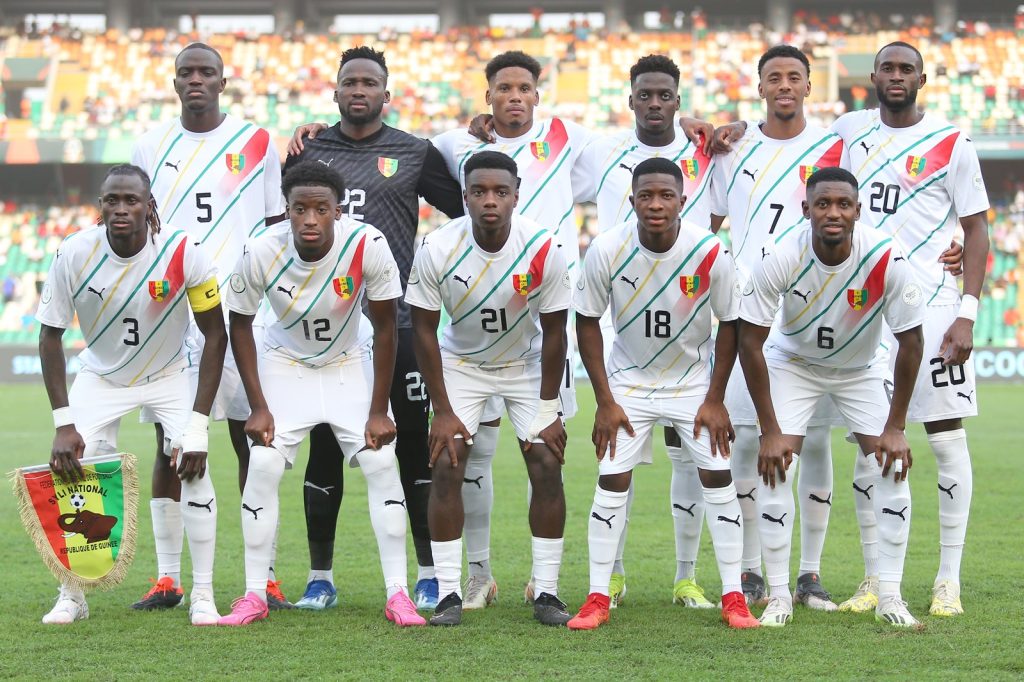
On January 19, 2024, celebrations following Guinea’s win over Gambia in the 2023 Africa Cup of Nations turned deadly when traffic collisions killed six people and injured dozens more. The victory sparked a massive outpouring of fans onto roads, filling streets with cars and motorcycles. In the ensuing chaos, vehicles collided, resulting in loss of life and numerous injuries that left victims in hospitals seeking answers and compensation.
Underlying Causes
Authorities now face scrutiny over the lack of safety measures during the festivities. No barriers were erected, no additional police were deployed, and emergency services were not pre‑positioned near the celebrations. Guinea’s infrastructure, already strained, could not accommodate the sudden surge of pedestrians and vehicles.
The country’s geography — coastal plains and mountainous regions — means many roads are narrow and winding, so a single crash on a main artery can trigger a chain reaction. Far from being a freak accident, the tragedy was a predictable outcome of a mass gathering without crowd control or traffic management.
Historical and Social Context
Guinea, home to about 14 million people, gained independence from France in 1958 and has endured decades of military coups and authoritarian rule. In a society marked by political fragmentation, football serves as one of the few unifying forces.
The Africa Cup of Nations match against Gambia brought the nation together, but that unity turned into a dangerous stampede of cars when celebrations spilled onto the streets. The sport’s ability to rally citizens is juxtaposed with the risk that exuberance, when unchecked, becomes lethal.
Broader Pattern and Future Outlook
The incident fits a familiar pattern across West Africa, where football victories have previously led to deaths in Ivory Coast, Ghana, and Nigeria. In each case, a goal triggers an eruption of joy, crowds flood roadways, vehicles overturn, and lives are lost. What distinguishes the Guinea event is its scale: six fatalities in a single night within a country covering 245,857 square kilometers, where inter‑city travel is already hazardous. The injured will carry physical and emotional scars; families will bear grief; the government will shoulder blame for the absent precautions.
As the tournament continues, Guinea’s next match will be played under a shadow. Supporters will likely celebrate again if the team wins, raising the question whether officials will have learned from this night.
Will they close off streets, station ambulances near stadiums, or issue warnings about reckless driving? No one knows yet. The cycle of celebration, tragedy, and inquiry will repeat unless those in power act to break it.




