
Thirty percent in 2023. Thirty-seven percent in 2026. Those are the shares of global electricity the International Energy Agency expected renewables to supply in its Electricity 2024 report, and somewhere along that line, by early 2025, the agency said they would pass one-third of the total and overtake coal.
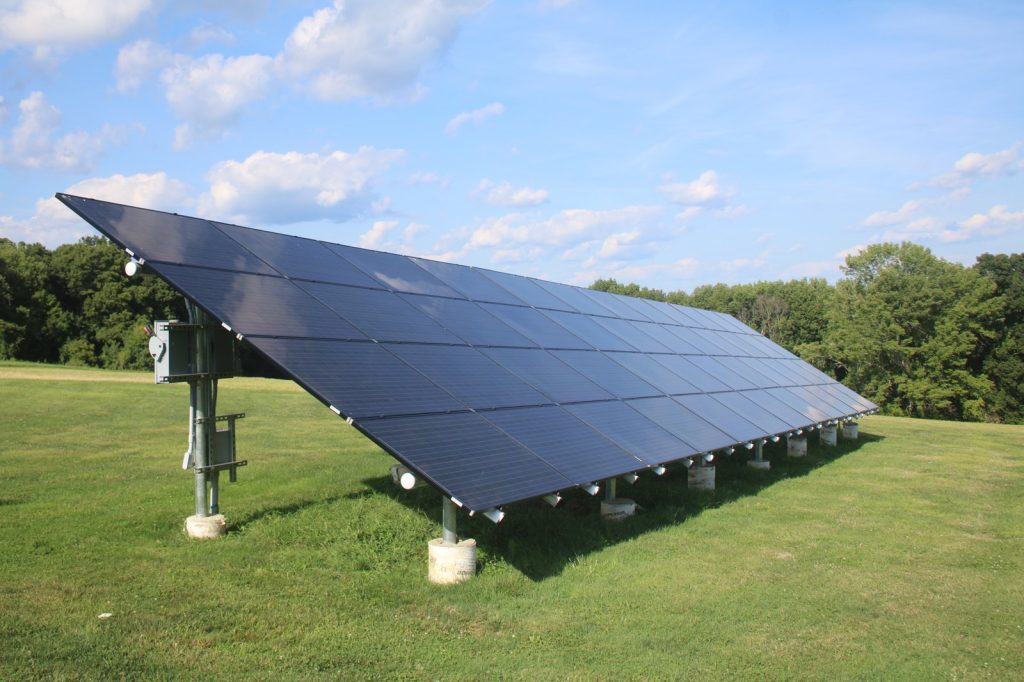
The IEA put most of the credit on solar. Growth, it said, was largely supported by the expansion of ever cheaper solar PV.
Where demand is heading
The starting point was modest. World electricity demand grew 2.2% in 2023, down from 2.4% in 2022, held back by falling consumption in advanced economies. The agency forecast a faster pace, an average of 3.4% a year through 2026, helped by electrification of homes and transport and by a notable expansion of data centres.
Roughly 85% of the extra demand through 2026, the IEA said, would come from outside advanced economies. China’s demand rose 6.4% in 2023, and the agency expected growth to ease to 5.1% in 2024, 4.9% in 2025 and 4.7% in 2026. India was the fastest among major economies, with growth above 6% a year forecast on average, partly because more households were buying air conditioners.
What fills the gap
The IEA’s central claim was that low-emissions sources, nuclear plus renewables such as solar, wind and hydro, would cover all of the growth in global demand over the three years. It expected them to reach almost half of generation by 2026, up from 39% in 2023.
The effects differed by region. In the United States and the European Union, renewables were set to more than offset demand growth and push out fossil-fired supply. In China, the agency expected renewables to meet all additional demand, though it flagged the weather and the pace of China’s demand growth as the main uncertainties. In India, renewables would meet almost half of the growth, while one-third was expected to come from rising coal-fired generation.
Globally, coal-fired generation was forecast to fall by an average of 1.7% a year through 2026. That followed a 1.6% rise in 2023, when droughts in India and China cut hydropower output and led to more coal being burned. Hydropower itself had a poor year: its global capacity factor fell below 40%, the lowest in at least three decades. The fossil share of electricity was forecast to slide from 61% in 2023 to 54% in 2026, the first time it would drop below 60% in IEA records going back to 1971.
The condition attached
The agency attached one warning to all of this. Fast growth in renewable capacity, it said, has to come with accelerated investment in grids and in system flexibility so the new supply can be integrated smoothly.




