
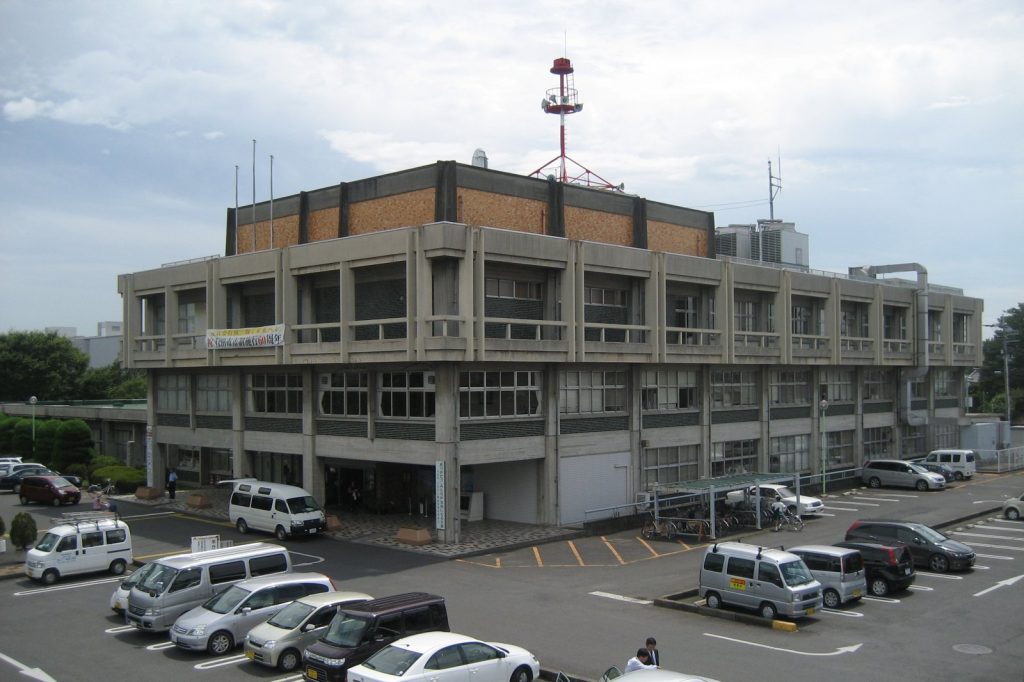
A tragic accident occurred on August 3, 2025, in Gyōda, Saitama Prefecture, Japan, resulting in the deaths of four workers who were inspecting sewage pipes. The workers fell into a manhole filled with hydrogen sulfide, a toxic gas that can be deadly in high concentrations. This incident highlights the risks and dangers associated with working in sewerage systems, where workers often face hazardous conditions, including toxic gases, confined spaces, and physical hazards.
The sewerage system is a complex network of pipes, chambers, and manholes that conveys sewage and stormwater to treatment plants or discharge points. In many cities, sewage and stormwater are carried together in combined sewer systems, which can lead to increased risks of pollution and hazards for workers.
The system encompasses various components, including receiving drains, pumping stations, and screening chambers, all of which require regular inspection and maintenance to ensure proper functioning. The accident in Gyōda serves as a reminder of the importance of prioritizing worker safety and implementing effective safety protocols in sewerage systems. Hydrogen sulfide, the gas responsible for the tragic accident, is a common hazard in sewerage systems.
It is produced by the decomposition of organic matter in sewage and can accumulate in confined spaces, such as manholes. The gas is highly toxic and can cause respiratory failure, neurological damage, and even death in high concentrations.
Workers in sewerage systems often wear personal protective equipment, including respirators and gas detectors, to minimize their exposure to hazardous gases. However, accidents can still occur due to equipment failure, inadequate training, or unforeseen circumstances. The accident in Gyōda has raised concerns about the safety of workers in sewerage systems and the need for improved safety protocols.
In many countries, sewerage systems are aging and in need of upgrade or replacement, which can increase the risks of accidents and hazards for workers. As cities continue to grow and urbanize, the demand for effective and safe sewerage systems will only increase. Investing in modern, efficient, and safe sewerage infrastructure is essential for protecting public health, preserving the environment, and ensuring the well-being of workers.
By prioritizing worker safety and investing in modern infrastructure, we can reduce the risks of accidents and create a cleaner, healthier environment for everyone. As the world continues to urbanize, the importance of effective sewerage systems will only grow.
This not only helps to reduce energy costs but also enhances energy security, making communities more resilient to power outages and disruptions. Looking to the future, it is essential that we prioritize the development of safe, efficient, and sustainable sewerage systems.
This can be achieved through investments in modern infrastructure, improved safety protocols, and innovative technologies. By working together to create a cleaner, healthier environment, we can reduce the risks of accidents, protect public health, and preserve the natural world for future generations. As we move forward, it is crucial that we recognize the importance of sewerage systems in maintaining a clean and healthy planet, and take proactive steps to ensure that these systems are safe, efficient, and sustainable.
By doing so, we can create a better future for everyone, where workers are protected, and the environment is preserved.




