
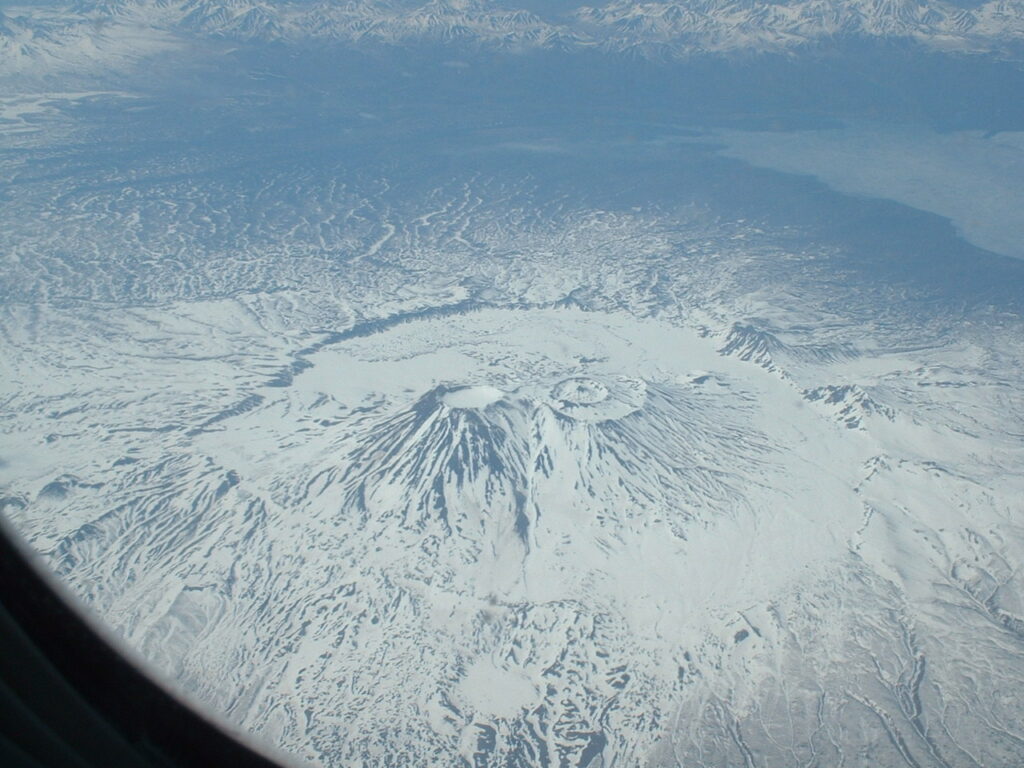
On 3 August 2025, the Krasheninnikov volcanic complex erupted for the first time in recorded history, sending a plume of ash and steam over Russia’s eastern Kamchatka Peninsula. The eruption occurred just four days after a magnitude 8.8 earthquake struck the same area on 30 July, prompting scientists to examine a possible link between the seismic event and the volcanic activity.
Krasheninnikov consists of two overlapping stratovolcanoes that sit inside a broad caldera on the peninsula’s eastern coast. The volcano lies within the protected Kronotsky Nature Reserve, south of Lake Kronotskoye, and bears the name of 18th‑century explorer Stepan Krasheninnikov. The reserve is renowned for its diverse wildlife, and the sudden eruption has raised concerns about potential impacts on the local ecosystem.
Historical accounts place the volcano’s last known eruption in the 15th century, making the 2025 event a rare geological occurrence. Researchers are now focusing on the eruption’s characteristics, the extent of ash fall, and any alterations to the surrounding landscape.
Data gathered from this episode will add to the understanding of Krasheninnikov’s behavior and the tectonic forces that drive activity in the Kamchatka region. The Kamchatka Peninsula is a hotspot of volcanic and seismic activity, hosting numerous active volcanoes. The recent earthquake, one of the strongest ever recorded in the area, may have altered stress fields beneath the crust, potentially triggering the volcano’s awakening. While a direct causal relationship has not been confirmed, ongoing monitoring will seek signs of further unrest.
Conservation officials emphasize that protecting the Kronotsky Nature Reserve remains a priority as the eruption unfolds. The ash plume could affect plant life, water quality in nearby lakes, and habitats of resident fauna.
Mitigation measures and rapid response plans are being coordinated between volcanologists, ecologists, and reserve managers to limit environmental damage. Scientists stationed in the region are deploying seismographs, satellite imaging, and gas sensors to track the eruption’s progression. Findings from these observations are expected to inform future risk assessments for both volcanic and seismic hazards on the peninsula.
The event also offers a unique opportunity to study how large‑scale geological processes interact with protected ecosystems. Beyond the immediate scientific interest, the eruption underscores broader themes of environmental stewardship.
Experts note that preserving natural areas like Kronotsky is essential for maintaining biodiversity and resilience against natural disturbances. While the article does not delve into policy, the incident reinforces calls for continued investment in monitoring infrastructure and sustainable management of vulnerable landscapes. As the plume drifts across the sky, the world watches the developments at Krasheninnikov.
Ongoing analysis will determine whether the volcano will remain active or return to dormancy, and how the surrounding environment will recover. The event serves as a vivid reminder of the dynamic forces shaping Earth’s surface and the importance of vigilant observation and protection of the planet’s natural heritage.




