
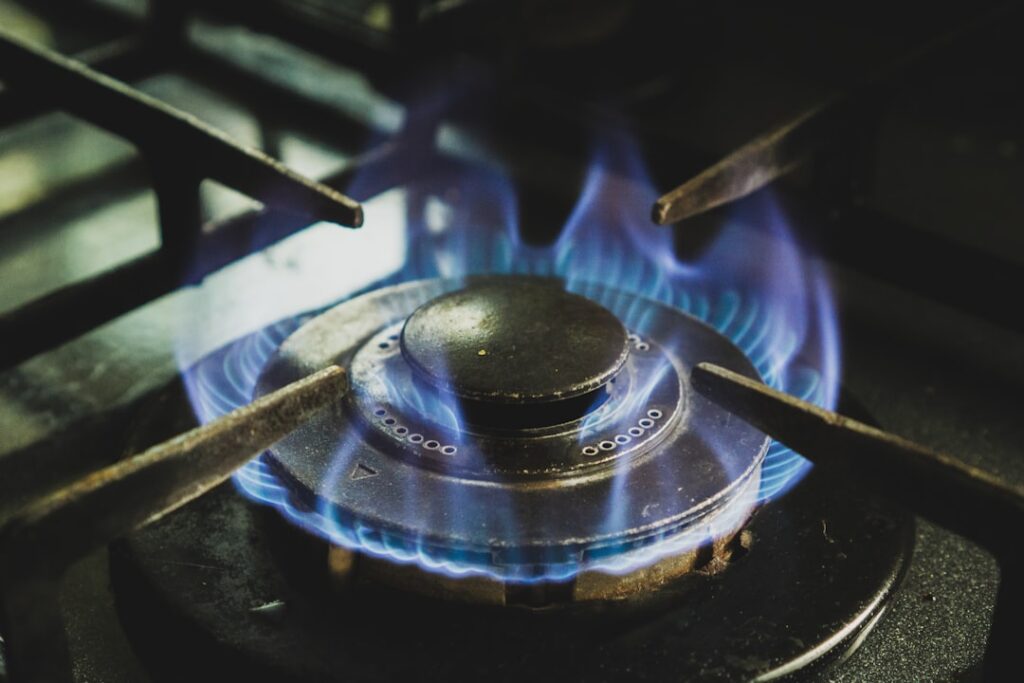
A gas leak caused a restaurant explosion in Yinchuan, China, on June 21, 2023, killing 31 people and injuring seven others. The building was crowded with dinner patrons at the time of the blast, which occurred in an enclosed space where a spark ignited accumulated gas.
The explosive substances involved—natural gas, methane, propane, and butane—are commonly used in homes and businesses worldwide. While cheap and efficient, these gases become deadly when mismanaged. The Yinchuan incident, with its high death toll, has drawn significant attention. Smaller incidents, involving three or four fatalities, often receive only local coverage before fading from public view. A death toll of 31 demands inspections, accountability, and a formal response.
Gas explosions follow a predictable sequence. A leak occurs, gas accumulates due to poor ventilation or unnoticed odor, and an ignition source—such as a pilot light, light switch, or phone—triggers the blast. The explosion lasts a fraction of a second, leaving rubble and casualties. Investigators have pointed to faulty equipment, poor maintenance, or human error as likely causes. These are routine failures: a corroded gas line, an open valve, or a tired worker making a mistake. The difference between a near-miss and a mass casualty event often depends on small factors.
Industrial gas explosions involve larger volumes and different substances, such as hydrogen, evaporated gasoline, or ethanol. The principles are the same, but the scale is greater. A hydrogen leak in a factory can level a building. Prevention measures include intrinsic safety barriers or switching to alternative energy sources, but these require financial investment and enforcement.
The Yinchuan explosion was not an industrial accident—it occurred in a restaurant, a type of business found in every city and town worldwide. This makes the incident harder to dismiss as a problem limited to heavy industry. Safety protocols, regular maintenance, and employee training are standard requirements, but a gap exists between written rules and actual practice. A restaurant owner may skip maintenance to save money, or a worker may fail to report a small leak out of fear of blame. These small decisions accumulate until gas finds a spark.
The forces behind this event include economic pressure, regulatory gaps, and human nature. The likely outcome is a wave of inspections across China, with temporary restaurant closures, fines, and official statements. Some changes will persist; others will fade. The cycle may repeat with the next explosion elsewhere.
Each of the 31 victims had a name, a family, and a reason to be in that restaurant that evening. The seven injured survivors are alive but changed. This is the cost of a gas leak that should have been detected but was not.




