
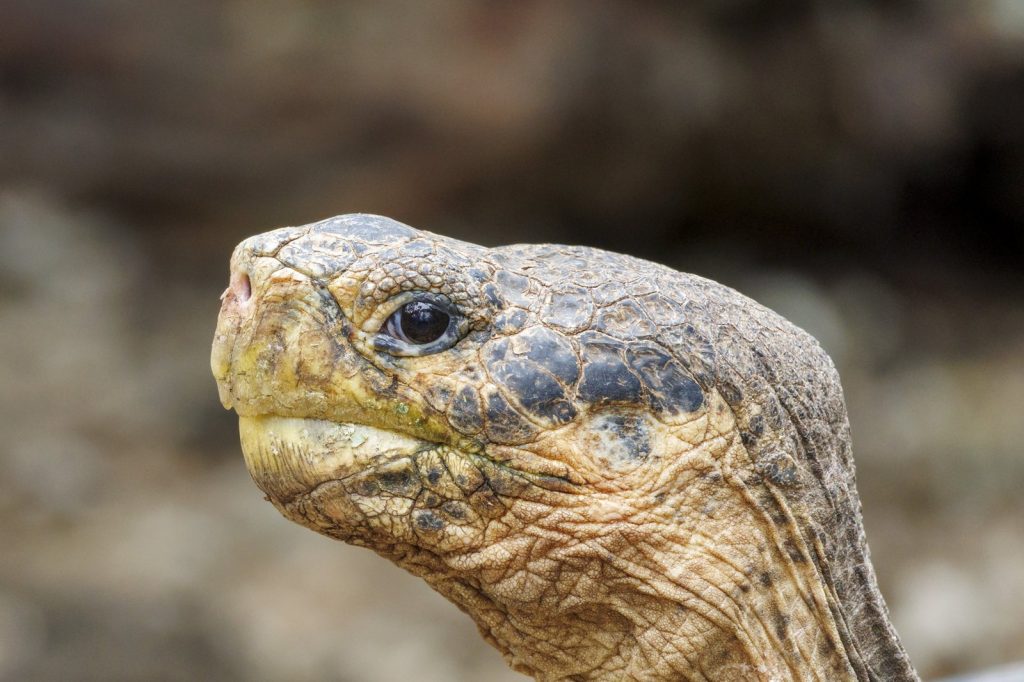
Of the hundreds of tortoises raised in captivity for Floreana Island, 158 have now gone home. The Charles Darwin Foundation announced on 20 February 2026 that the juveniles, all of Floreana lineage, had been set loose on the island in the Galápagos. No giant tortoise had walked there in more than 180 years.
The animals are 12 to 14 years old, and that matters. Galápagos Conservancy says a tortoise generally needs to be at least five to seven years old before it can cope with conditions on the island unaided, so this first group clears the bar by a wide margin. Managers also timed the release for the rainy season, when plants are thick and seasonal water sources are running. Each animal wears a lightweight GPS transmitter, which lets scientists follow its movements and activity hourly over the coming years.
A lineage thought lost
The Floreana giant tortoise, Chelonoidis niger niger, was the first Galápagos tortoise species driven to extinction. The BBC reported that sailors carried off thousands of them in the 1840s to feed crews on long voyages. For more than a century the lineage was presumed gone.
Then, in 2000, Dr. James Gibbs, now with Galápagos Conservancy, was surveying tortoises on Wolf Volcano on Isabela Island with rangers from the Galápagos National Park Directorate. They noticed animals with saddleback shells, an odd trait for that volcano’s native population. Genetic tests showed the tortoises were hybrids with Floreana ancestry. Historical records suggest whalers left displaced tortoises on Isabela, where they interbred with local animals and kept the bloodline alive.
Researchers later picked 23 hybrids with the closest genetic ties to the extinct subspecies and bred them in captivity on Santa Cruz island, the BBC said. By 2025 the program had produced more than 600 hatchlings, and several hundred were large enough to survive in the wild.
What officials said
Lorena Sánchez, director of the Galápagos National Park, said the restoration effort “represents one of the greatest challenges undertaken by the Galápagos National Park.”
Dr. Jen Jones, chief executive of the Galápagos Conservation Trust, called the moment “truly spine-tingling.” She said it vindicated two decades of cooperation among scientists, charities and islanders.
About 160 people live on Floreana. Verónica Mora, who represents the community, said: “Their return shows what is possible when a community leads and many partners come together with a shared purpose.”
What comes next
Tortoises graze, trample and spread seeds, and in doing so they keep habitats open for other species. Adult breeders will stay in captivity to produce more young, and later cohorts will be freed in different parts of Floreana as they reach the right size and age.
The wider project aims to remove three invasive mammal species and bring back 12 endemic species. Partners are now weighing conditions for the next arrivals, a list that includes the Floreana Mockingbird, the Floreana racer snake, the Vegetarian Finch and the Little Vermilion Flycatcher.
Sources
- 158 Endangered Tortoises Released onto Floreana Island, Galápagos for First Time in over 180 Years – Charles Darwin Foundation
- Giant tortoises return to Galápagos island after nearly 200 years
- A Homecoming for Floreana | Galápagos Conservancy




