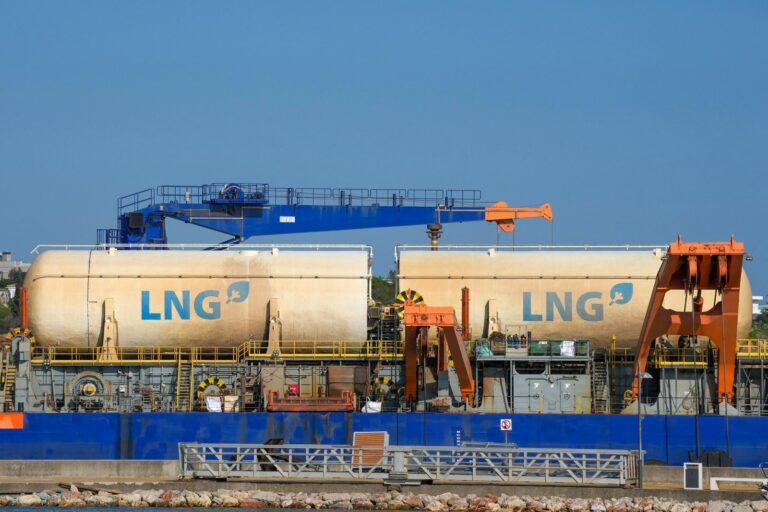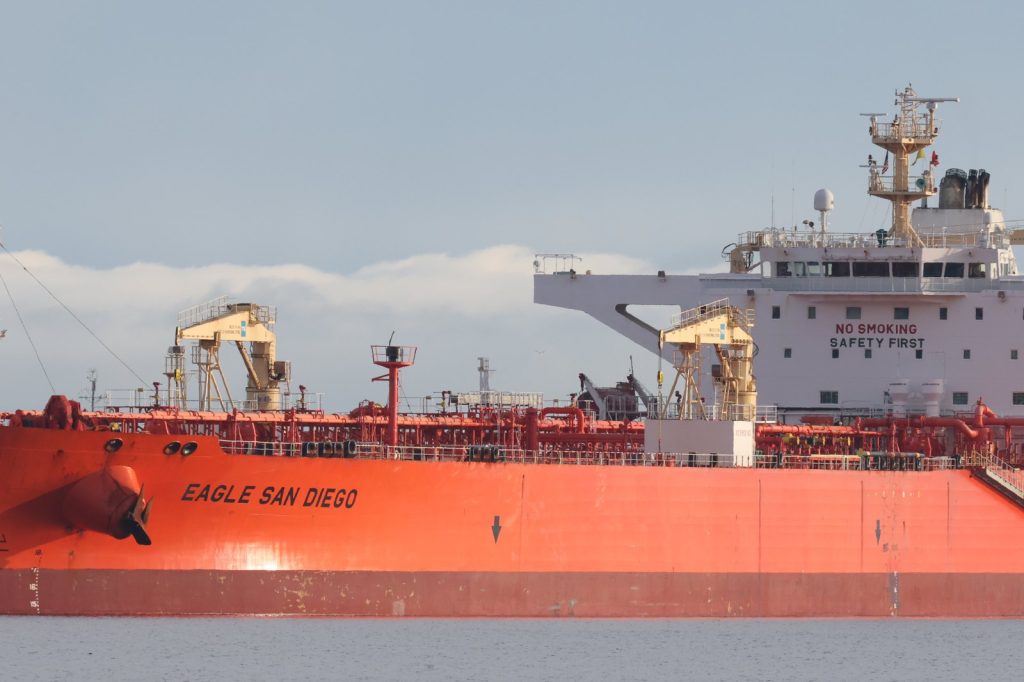
Of the oil that leaves the Persian Gulf, about 80 percent is shipped to Asia. That figure, from the Federal Reserve Bank of Dallas, explains why the closure of the Strait of Hormuz is felt first in places like Manila, Mumbai and Seoul.
The Dallas Fed published its analysis on March 20, 2026, as the conflict between Iran and the United States and Israel was hitting oil infrastructure in Saudi Arabia, Kuwait and the United Arab Emirates. Iraq and Kuwait had begun cutting production in early March, because once local storage fills up, wells have nowhere to send the crude. The bank says a full halt to Gulf exports takes close to 20 percent of global supply off the market.
Bigger than past shocks
The Dallas Fed compared the closure with earlier supply crises. In 1973 and 1990 a little more than 6 percent of world supply disappeared. In 1979 and 1980 the figure was about 4 percent. The current shortfall is three to five times larger, and the bank notes this is the first time the strait has been closed.
What the model says about prices and growth
Economists at the bank ran scenarios. If the strait shuts for the second quarter of 2026 only, the average price of West Texas Intermediate rises to $98 a barrel and global real GDP growth drops by an annualized 2.9 percentage points that quarter. If it reopens after one quarter, oil falls to $68 in the third quarter and growth recovers by 2.2 points, though output stays 0.2 percent below its pre-closure level at the end of 2026.
A longer closure costs more. Two quarters pushes oil to $115 in the third quarter before it drops to $76 in the fourth. Three quarters could send it as high as $132 by year-end. Measured fourth quarter to fourth quarter, global growth in 2026 would fall 0.2 points under the shortest scenario, 0.3 points under the two-quarter case and 1.3 points if the closure lasts three quarters. The researchers stress that they make no forecast of how long the closure will actually last.
Ways around the blockage
Saudi Arabia could send more crude through its East-West pipeline to the Red Sea port of Yanbu, about 4 million barrels a day, or roughly a fifth of the shortfall. The bank flags problems: Yanbu is within range of Iranian and Houthi missiles, tankers heading south past Bab el-Mandeb risk Houthi attacks, and cargoes heading north through the Suez Canal face size limits and end up in Europe rather than Asia.
A short pipeline in the UAE to Fujairah on the Gulf of Oman has already been attacked by Iran. Another option is diplomacy. Countries such as China could strike deals with Tehran for safe passage, and there are indications that India recently reached one. A third path would be traffic resuming under fire, as in the 1980s Tanker War, when on average one tanker was struck every day.
The bank’s main finding is that even a partial cut in the shortfall softens the blow. Cutting it from 20 percent to 10 percent would shrink the second-quarter hit to growth from 2.9 points to 1.6.