
“House is gone. Cars are gone. Employment’s gone. No health insurance.” That is how Paul Whelan described coming home to Michigan after five-and-a-half years of detention in Russia, in an interview with CNN in 2025, a year after his release.
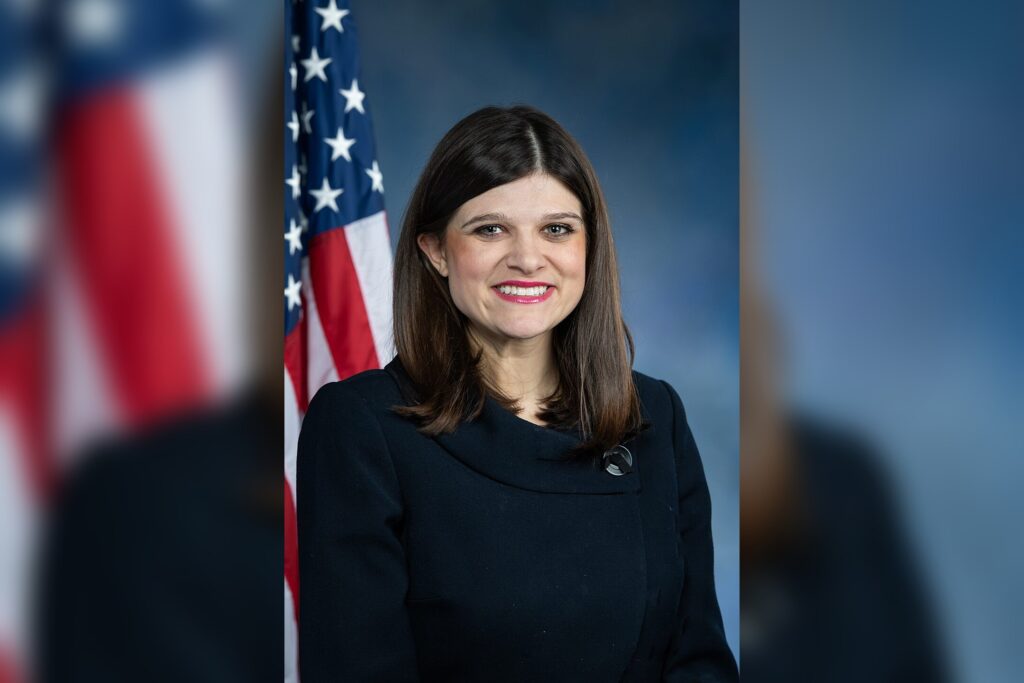
On Thursday, his congresswoman moved to do something about it. Rep. Haley Stevens, a Michigan Democrat, announced a bill named in Whelan’s honor that would pay a lump sum to Americans who have been wrongfully detained abroad. CNN reported that Whelan and Stevens had been working on it for years.
What the bill says
The money would come from “unobligated balances of the Department of Justice Assets Forfeiture Fund,” according to the text CNN reviewed. The bill covers people held in the past, the present and the future.
One exclusion is written in. Anyone who travels to a country the State Department lists as “Level 4: Do Not Travel,” or that carries a travel advisory with the D indicator, would broadly be ineligible. Official travel and work as a journalist are exceptions. Whelan and Trevor Reed both went to Russia before it carried the Level 4 label.
Whelan said he saw the exclusion as a deterrent. “If our citizens knowingly visit a rogue nation the State Department warns against us visiting and they are taken hostage, State will work diligently to bring them home, but they would not be eligible for compensation under the Act,” he said.
Voices behind it
Stevens said in a statement that Americans “shouldn’t have to face back taxes, late fees, lost income, and financial instability when they come home.” Whelan called the bill “a huge step forward.”
Reed, held in Russia for nearly three years, told CNN he panicked after returning as he tried to work out how to rebuild his life savings. He said he has not recouped those losses, and that his parents emptied their retirement accounts to help him.
A spokesperson for Stevens said the office wrote the bill with Whelan and with groups that work with wrongfully detained Americans and their families, including the Foley Foundation and Hostage US. Both back it. Diane Foley, who founded the Foley Foundation, said the group was “proud to support its introduction.” Its executive director, Benjamin Gray, said the bill “goes a long way toward addressing a critical unmet need”: the loss of income and assets after release.
The spokesperson added that the office had spoken with the State Department and the Office of the Special Presidential Envoy for Hostage Affairs while drafting. The State Department does not comment on pending legislation. No date has been set for a House vote, and the office said it is working with colleagues to build support.




