
Cement is one of the largest sources of CO2 in construction, and much of that comes from firing rocks at more than 1,000°C. Karen Antorveza Paez, who has just completed her doctorate in architecture at ETH Zurich, is testing a way around the furnace: bacteria that bind sand into solid building elements at room temperature.
Mineral glue from bacteria
The method is called microbiologically induced calcite precipitation, or biocementation. “We’re using bacteria to produce a sort of mineral glue,” she explains. The bacterium is Sporosarcina pasteurii, long studied for stabilizing loose soil and for “self-healing” concrete, where it helps cracks seal over. Her contribution is to treat the result as an architectural material in its own right rather than an additive, by joining biocementation with digital manufacturing. What was missing, she said, was manufacturing processes that control the biology on demand.
The chemistry is simple to follow. The bacteria break down urea with an enzyme called urease, releasing carbonate ions and ammonium as a by-product. The carbonate reacts with calcium chloride to form calcium carbonate, the mineral in limestone, mussel shells and chalk. Microscopic calcite crystals grow between the sand grains and interlock, so the grains are held by linked crystals rather than by glue in the usual sense.
Two ways to build with it
Her thesis produced three studies describing two methods. In the first, 3D biocement printing, a bio-ink of water-based gel, alginate, xanthan, sand and live bacteria is printed into shape and then immersed in a bath of urea and calcium chloride. Printed pieces need two to five days, depending on the strength required, with a fresh bath each day to replenish what the bacteria need. After drying, the object is solid mineral and the bacteria are no longer active. “It’s a bit like baking a cake,” Antorveza Paez said, with a soft dough that only the oven can turn solid.
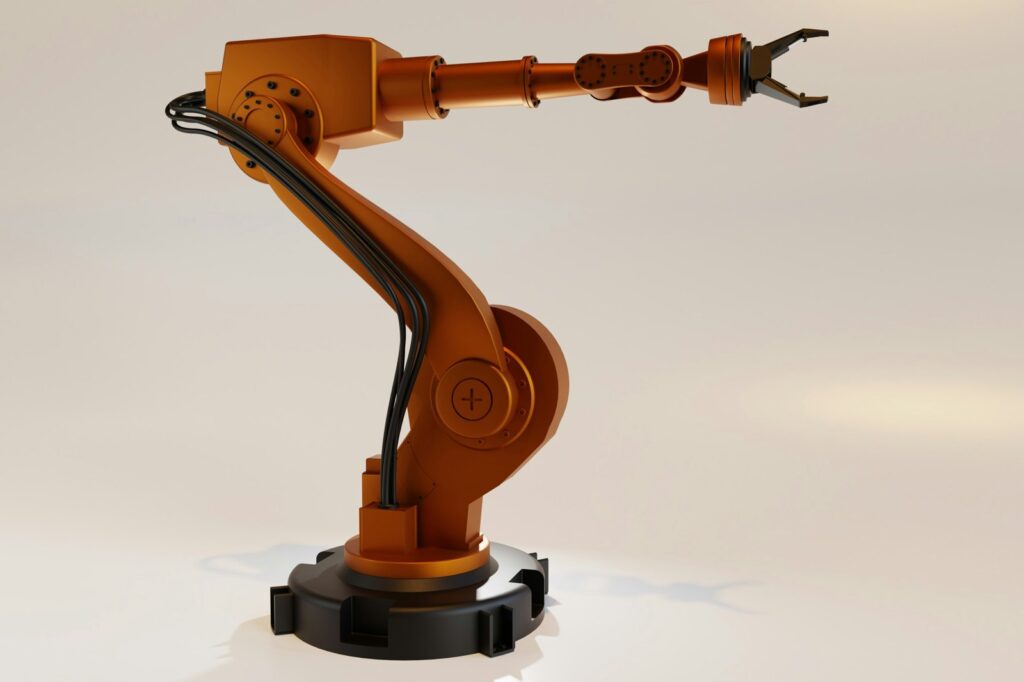
The second method skips the bath. A robotic arm repeatedly sprays bacteria, sand and the mineral-forming substances onto a surface, building layers. The approach takes its cue from stromatolites, layered rock formed as microorganisms deposit minerals over long periods. At the 2025 Biennale Architettura in Venice, the process ran continuously for six months so visitors could watch. ETH Zurich says printing suits architectural elements, spraying suits surfaces, and the work so far includes a facade element.
Not a concrete replacement yet
Antorveza Paez describes the material as closer to mortar than concrete, and it is not ready for load-bearing construction. Researchers still need to learn how grain sizes and proportions affect stability and durability, and how grains and binder are arranged inside sprayed structures. The ammonium by-product can harm the environment, and she is running a further study on the environmental impact and possible fixes.
Sources
- Scientists use bacteria and 3D printing to turn sand into solid building materials without the extreme heat required to make cement
- Living building material
- Using Bacteria to Create Biocement Materials
Photo: Sufyan / Unsplash (Unsplash License)




