How do you launch more rockets without building a bigger country? India’s answer is more pads. The Indian Space Research Organisation plans to have four functional launch pads by 2029, according to a Moneycontrol report on a plan revealed by the ISRO chief.
What is being built
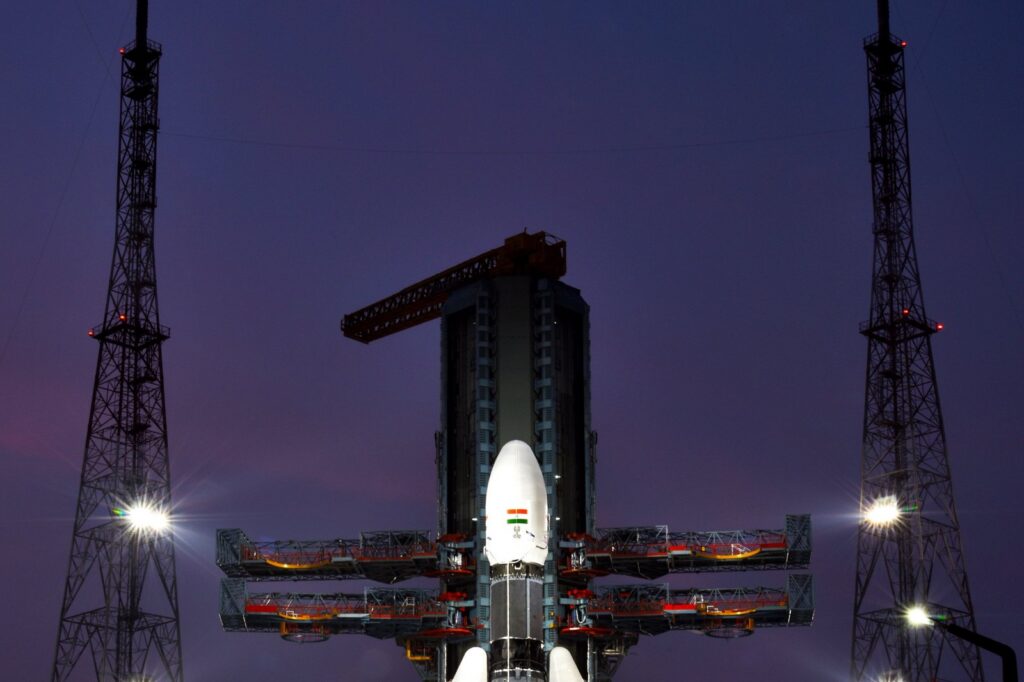
Two additions drive the plan: a third launch pad at Sriharikota and a dedicated complex in Tamil Nadu for the Small Satellite Launch Vehicle, or SSLV. ISRO is expanding to meet growing demand for satellite launches. The report gave no cost figures.
The logic is mechanical. A launch site is a bottleneck: a rocket occupies its pad for the stacking, checks and countdown, and the next vehicle waits. More pads, and a site built around one vehicle family, mean more missions in the pipeline at once.
The record behind the ambition
ISRO has been at this for a long time. Its origins lie in the Indian National Committee for Space Research, set up in 1962 on the recommendation of scientist Vikram Sarabhai, and it took the ISRO name in 1969. In 1980 it launched the RS-1 satellite on the indigenously built SLV-3, making India the seventh country to undertake orbital launches. It has since developed small-lift and medium-lift vehicles and a cryogenic upper stage.
Recent flights show the demand side. On December 24, 2025, ISRO launched AST SpaceMobile’s BlueBird Block-2 aboard the LVM3-M6 rocket, the heaviest foreign satellite ever launched from Indian soil at 6,100 kilograms. All seven LVM3 missions to date have succeeded. In December 2024 the SpaDeX mission showed rendezvous, docking and undocking with two small satellites.
Four pads would be the next step for a spaceport that has so far served most of those missions from a single coastal site. The target date is 2029.
Sources
- India to get 4 functional space launch pads by 2029, ISRO chief reveals the expansion plan- Moneycontrol.com
- ISRO
- On this day in space! Oct. 21, 2008: India launches its 1st mission to the moon with Chandrayaan-1
Photo: Indian Space Research Organisation (GODL-India)