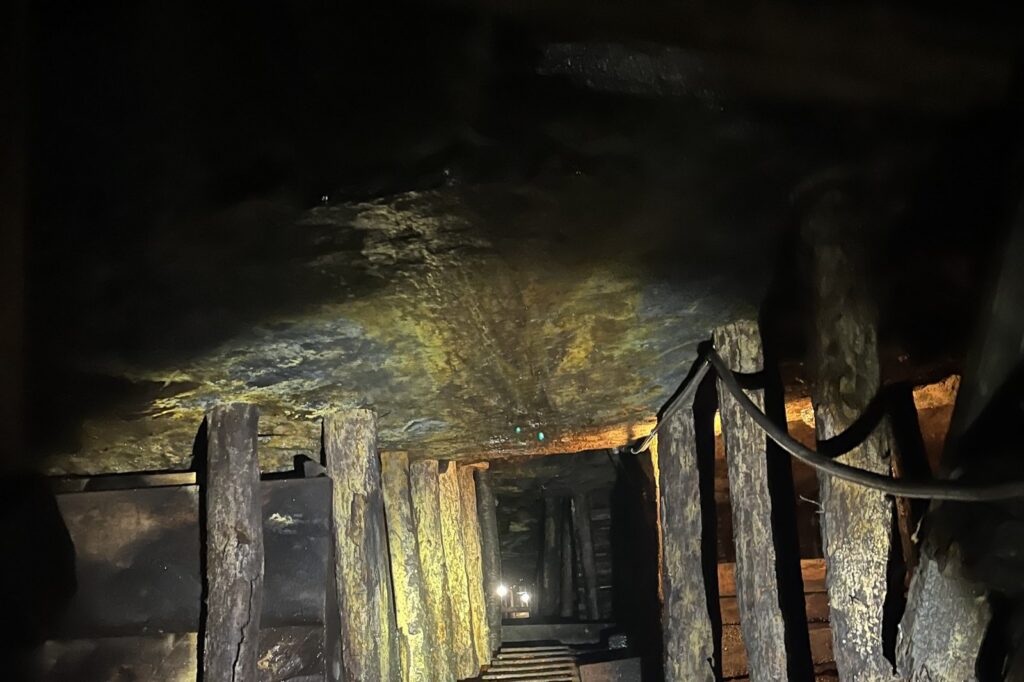
Nokia is rolling out industrial‑grade wireless infrastructure to power autonomous machinery and robotics in deep‑earth mining sites, linking the subterranean work floor to the global data grid.
From Consumer Phones to Underground Networks
Since the 1990s the Finnish group has pivoted from handset production to large‑scale telecommunications infrastructure and technology development, a shift that now underpins its foray into mining environments. The company’s portfolio now spans network equipment, optical routing and cloud services for communications providers and digital enterprises worldwide.
Wireless Backbone for Autonomous Mining Robotics
The deployment relies on 5G and emerging 6G platforms that can run on graphics processing units, a design choice that supports the AI‑radio access network (AI‑RAN) strategy Nokia is pursuing. AI‑RAN enables the network to manage traffic intelligently, a capability essential for the low‑latency, high‑uplink performance demanded by autonomous vehicles and heavy‑duty machines operating miles below the surface.
AI‑Native Traffic in Subterranean Settings
Global network traffic is projected to quadruple by 2035, with almost half driven by artificial intelligence. In mining, AI‑native traffic arises from robots and sensors that both generate and consume data, shifting processing from central clouds to the edge of the network. Nokia’s reports indicate that by 2035 the edge and metro core will handle 36 % of all AI‑driven traffic, a trend that aligns with the need for distributed intelligence in underground operations.
Scaling Connectivity for Heavy Machinery
To accommodate the bandwidth and reliability requirements of autonomous haul trucks, drill rigs and inspection drones, Nokia is leveraging its extensive optical routing and cloud infrastructure. The company’s AI‑RAN trials, which use custom silicon from Marvell rather than Nvidia GPUs, demonstrate that high‑capacity sites can sustain the resource‑intensive Layer 1 software needed for real‑time control of mining equipment.
Future Outlook for Industrial‑Grade Networks
As AI continues to reshape traffic patterns, Nokia’s focus on edge‑centric processing and AI‑enabled network management positions it to meet the expanding demand for subterranean connectivity. The firm’s annual revenue of roughly €23 billion in 2020 and operations in more than 130 countries underscore its capacity to scale these solutions globally.
“The company said its AI‑RAN architecture is designed to support the connectivity demands of autonomous vehicles and industrial machines,” the Nokia report noted.
Sources
- Nokia
- Global network traffic report 2026 | Nokia.com
- Nokia quickie with Marvell at VMO2 shows AI-RAN needs no Nvidia
- Nokia vs. Verizon: A Contrast in Revenue Scale and Seasonality | The Motley Fool
- How Much Would It Cost To Buy A Nokia Phone In 1996 Vs. 2026? – BGR
- QUICK TAKE | Can Nokia Flip Its Fortunes? Seven Things to Know About the Nokia 2360 Flip
Photo: LostplanetKD73 (CC0)