
The number that explains the American electric grid is 60. The continental United States does not run on one unified grid at all. It runs on three separate electrical systems, the interconnections, and each one amounts to a single synchronized machine: hundreds of plants holding the same beat, 60 cycles every second, in perfect lockstep. Inside an interconnection power moves freely, but not between them, not the way you would plug in an extension cord; crossing the seams takes special conversion gear, and only a handful of such links exist anywhere. The bottom line for anyone mapping the machine: there is no single national grid, and the seams between the three are where the engineering gets hard.
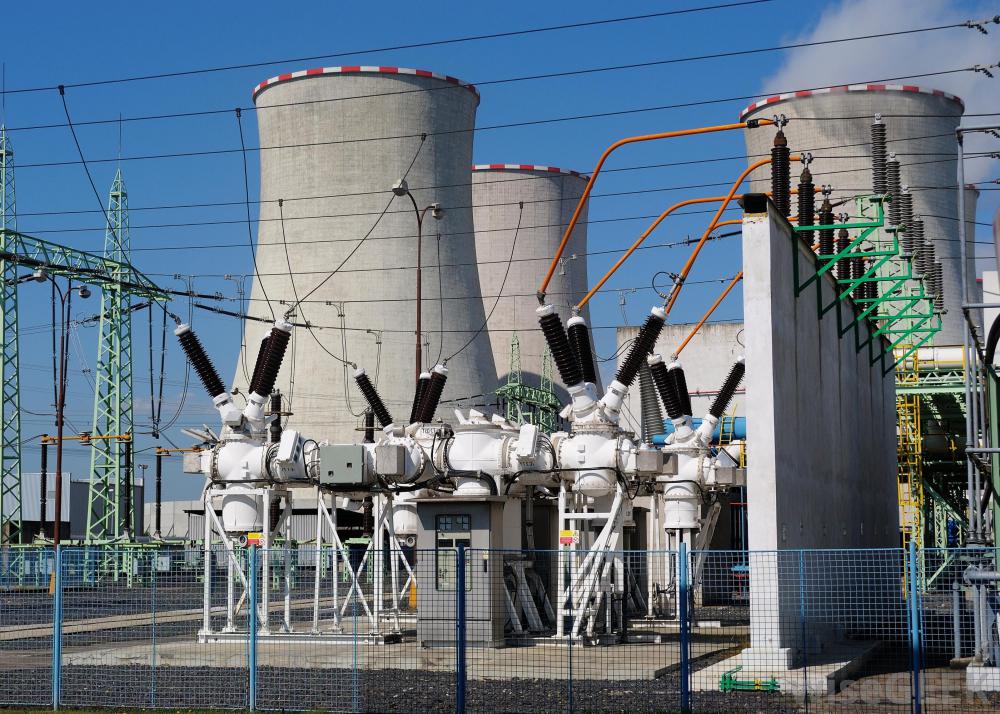
How does the power actually get to a wall socket? “Electricity feels instantaneous. You flip a switch, and the lights turn on.” The journey behind that reflex starts at a power plant burning natural gas or coal, splitting atoms, or harvesting hydro, wind and sun. Step-up transformers push the electricity onto high-voltage transmission lines, because transmitting at high voltage reduces energy losses and makes long-distance hauls efficient. Nearing population centers, the current arrives at substations, where the voltage gets stepped down, and from there distribution lines running along streets or underground deliver it to homes and businesses at safe levels. Substations are the control points of the whole descent, managing voltage and routing power where it is needed.
The management stack is where the machine stops being simple. One mapping project that lays out the grid layer by layer puts the confusion plainly: the system is “confusing not because it’s poorly designed, but because it has multiple overlapping organizational layers that don’t align with each other”, with markets, reliability regions, utility territories and the physical interconnections themselves each cutting the country along different lines. On top of that, electricity must be produced and consumed in the same moment, so regional balancing authorities continuously monitor supply and demand, coordinate generation and manage transfers between regions to keep the whole thing stable. Reliability standards are mandatory, and they are policed: NERC, the North American Electric Reliability Corporation, enforces them with the Federal Energy Regulatory Commission looking over its shoulder.
The economics explain why the pieces were tied together at all. As demand grew during the 20th century, utilities connected their transmission systems, and the interconnections gave power multiple paths to travel, so a failure at a single plant or line does not immediately black out anyone; tying in also let each utility hold less excess generating capacity, a quiet capital saving. The counterexample sits in Texas. ERCOT, the Electric Reliability Council of Texas, stays isolated from its neighbors on purpose, and the bill came due in the winter freeze of 2021: when the state’s generators failed in the cold, no rescue power could cross the border to help. Note, too, that this is a North American machine rather than an American one: the Eastern and Western systems reach up into Canada, while ERCOT dips a little way into northern Mexico.
Even seeing the grid clearly takes work these days. The mapping project charts renewable share using 2024 full-year data from ISO state-of-the-market reports published in 2025, and its authors flag that EIA and HIFLD data have become less publicly accessible since federal data policy changes in early 2025, with files that were openly downloadable a year ago now behind login walls or simply gone. Investors will note the irony: the backbone of the economy is getting harder to inspect. The cleanest summary is the oldest one. “The power grid is not just a network of wires. It is a living system, constantly adjusting, balancing, and responding to keep the world running.”
Sources
- How the US Electric Grid Is Organized | Diaz Techworks
- How Electricity Actually Travels Through Power Grids – CKSA




