
On 17 January 2024, a powerful blast ripped through several structures in Ibadan, Nigeria, killing three people and wounding 77 others. Investigations identified the source as explosives that had been stockpiled for illicit mining activities, underscoring the hazards linked to mining carried out outside the law. The incident has reignited debate over the weak regulatory framework governing Nigeria’s mining sector.
While legal mining requires permits for exploration, extraction and transport, as well as compliance with safety standards for workers, many operations continue without any of these safeguards. The absence of oversight not only endangers lives, as the Ibadan tragedy demonstrates, but also threatens the environment.
Illegal mining is a widespread challenge worldwide. Roughly 80 percent of small‑scale mining ventures operate without the necessary licenses, often driven by artisanal miners seeking livelihoods. In some cases, organized crime groups control these operations, further eroding safety and environmental protections. The use of explosives in such settings is especially risky, capable of producing catastrophic events like the one that devastated parts of Ibadan.
The Nigerian government bears the responsibility of enforcing existing mining laws and preventing the storage and use of hazardous materials in unauthorized sites. Authorities are now under pressure to strengthen inspections, clamp down on illegal stockpiles, and provide pathways for informal miners to transition to licensed, safer practices.
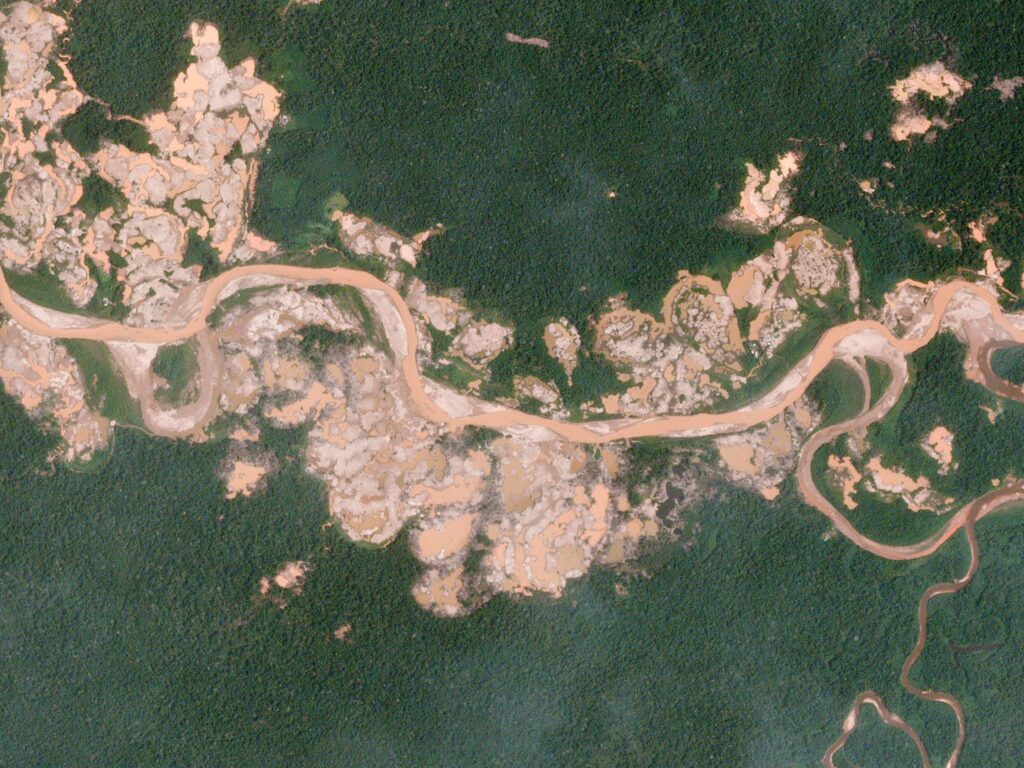
Beyond immediate human casualties, the environmental fallout from illegal mining can be severe. Explosives and other chemicals contaminate soil, water and air, jeopardising public health and wildlife. Habitat destruction further erodes biodiversity, with long‑term consequences for ecosystems.
Experts suggest that expanding renewable energy sources—such as solar and wind—could reduce demand for minerals often extracted through unlawful means, thereby easing pressure on vulnerable environments. In the wake of the explosion, calls are growing for coordinated action among government agencies, international partners and civil‑society groups.
Priorities include delivering emergency assistance to victims and their families, conducting thorough investigations, and implementing robust strategies to prevent future incidents. Support measures may involve training programmes for artisanal miners, stricter monitoring of explosives, and intensified efforts to dismantle criminal networks involved in illegal extraction. Addressing the root causes of unregulated mining will require sustained commitment to both safety and sustainability.
By enforcing licensing procedures, promoting responsible mining practices, and encouraging investment in clean energy, Nigeria can work toward a future where the risks of such disasters are markedly reduced. The coming weeks will be crucial for both the recovery of those affected in Ibadan and the broader effort to tighten mining oversight across the country.




